Middle East War Day 17: Trump Slams Allies Over Hormuz Crisis as Global Oil Lifeline Remains Choked
he Middle East conflict has entered its 17th day with tensions reaching a critical point, as former U.S. President Donald Trump openly criticized key global powers and traditional allies for failing to support efforts to secure the strategically vital Strait of Hormuz. The waterway—responsible for transporting nearly one-fifth of the world’s oil—has become the central flashpoint in the escalating confrontation involving the United States, Iran, Israel, and multiple regional actors.
Trump’s Frustration Boils Over
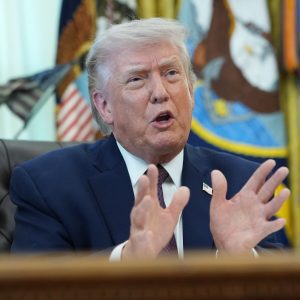
On Day 17 of the conflict, Trump sharply rebuked several nations—including NATO allies and major Asian economies—for what he described as a lack of commitment to reopening and securing the Strait of Hormuz. He emphasized that countries heavily dependent on oil shipments through the strait should be “doing more” instead of relying on the United States to bear the burden alone.
The U.S. administration has reportedly reached out to at least seven countries seeking military or logistical assistance. However, most of these nations—including Japan, Australia, France, Germany, and the United Kingdom—have either declined or shown reluctance to participate in a U.S.-led naval mission.
Trump warned that the refusal to assist could have long-term consequences for alliances such as NATO, even suggesting that the bloc could face a “very bad” future if member states fail to respond.
Why the Strait of Hormuz Matters
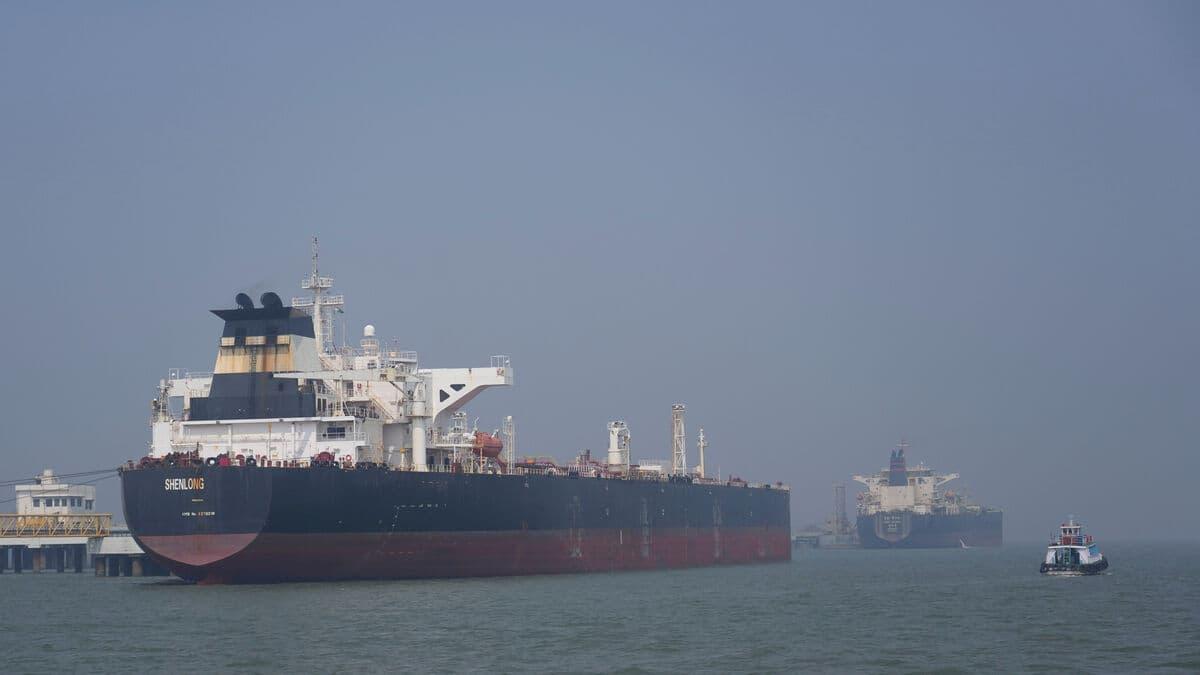
The Strait of Hormuz is one of the most critical maritime chokepoints in the world. Around 20% of global oil supply flows through this narrow passage connecting the Persian Gulf to the Arabian Sea.
Since the outbreak of hostilities, Iran has effectively disrupted or restricted movement through the strait using mines, drones, and missile strikes. This has caused a dramatic drop in shipping traffic and triggered one of the largest oil supply shocks in modern history.
The consequences have been immediate and severe:
- Global oil prices have surged above $100 per barrel
- Shipping insurers and companies are avoiding the route
- Countries like Japan have begun releasing strategic oil reserves
Allies Push Back Against U.S. Pressure
Despite mounting pressure from Washington, key allies have resisted direct military involvement. European powers—including the UK, France, and Germany—have made it clear they do not want to escalate the conflict further.
EU foreign policy chief Kaja Kallas confirmed that there is “no appetite” to expand existing naval missions to include the Strait of Hormuz, signaling a cautious approach from Europe.
Similarly:
- Japan and Australia have declined to deploy naval forces
- Germany stated the conflict is “not NATO’s war”
- The UK has avoided committing to direct involvement
Instead, some countries are exploring defensive or diplomatic alternatives, such as escort missions or negotiations with Iran.
Trump’s Mixed Messaging Draws Criticism
Trump’s stance has not only created friction with allies but also sparked backlash domestically and internationally. At one point, he questioned whether the U.S. should even be involved in the mission, despite simultaneously urging others to join.
Critics argue that this contradiction undermines U.S. credibility and complicates efforts to build a coalition. The administration has also faced scrutiny over intelligence warnings that predicted Iran’s retaliation, including the closure of the strait.
Escalation Across the Region
While diplomatic tensions rise, military actions continue to intensify across the region:
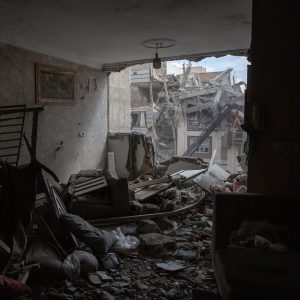
- Israeli forces have launched fresh airstrikes on targets in Tehran and Beirut
- Drone and missile attacks have struck oil facilities and infrastructure in the UAE
- The U.S. embassy in Baghdad has been targeted by drones and rockets
Iran, meanwhile, remains defiant and has indicated no intention to negotiate under current conditions. Its military and the Islamic Revolutionary Guard Corps (IRGC) continue to maintain control over key strategic areas, including the Strait of Hormuz.
Global Economic Shockwaves
The disruption in the Strait of Hormuz has sent shockwaves through global markets. Oil prices have surged nearly 40% since the conflict began, with fears of prolonged supply shortages looming large.
Major economies—particularly in Asia—are among the most vulnerable:
- China relies heavily on oil shipments through the strait
- Japan and South Korea face energy security concerns
- India and Pakistan are negotiating limited passage arrangements
The crisis has also reignited debates about energy diversification and geopolitical dependencies.
Uncertain Path Ahead
As the conflict enters its third week, there is little sign of de-escalation. Trump has suggested that the war could be resolved “within weeks,” but ongoing hostilities and diplomatic stalemates paint a more complex picture.
The lack of international unity—especially among Western allies—has emerged as a defining feature of the crisis. With no coordinated global response, the burden of securing one of the world’s most critical trade routes remains uncertain.
This article may be prepared with the assistance of artificial intelligence (AI) and is reviewed before publication. While we aim for accuracy and timeliness, readers should verify important facts from official or primary sources. If you believe any information is inaccurate or that any content infringes your rights, please contact ainewsbreaking.com for review and appropriate action.