Mumbai-Ahmedabad Bullet Train Stations to Boost Commuter Experience with Multi-Modal Connectivity
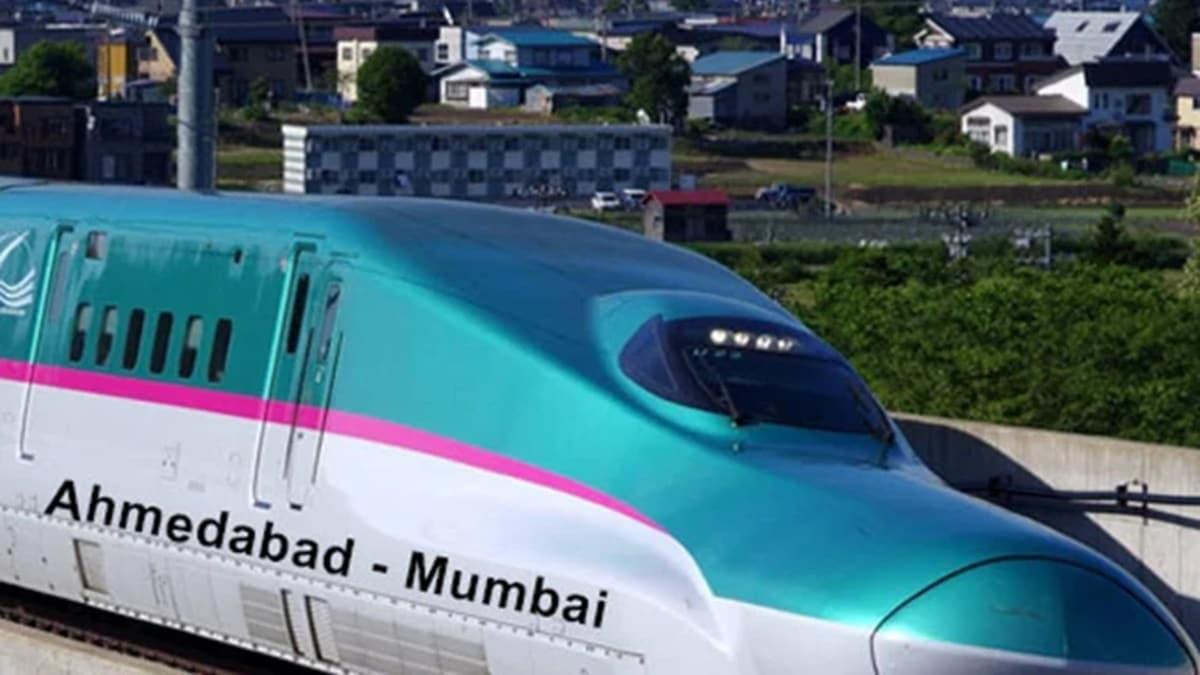
Mumbai-Ahmedabad bullet train stations are set to be developed as integrated transport hubs with multi-modal connectivity, a move aimed at making passenger travel smoother from the moment they arrive at or leave the station. The National High Speed Rail Corporation Limited is planning Multi-Modal Integration facilities and modern station plazas so commuters can easily shift between the high-speed rail network and other transport modes such as buses, taxis, private vehicles and intermediate public transport.
The plan is designed to strengthen last-mile connectivity, one of the most important factors in the success of any major rail project. Instead of stations functioning only as boarding points, the new model aims to turn them into well-organised transit spaces where passenger movement is safer, faster and more convenient. Reports say the station plazas will include designated pick-up and drop-off areas, waiting zones and passenger-oriented facilities to improve the overall travel experience.
The Mumbai-Ahmedabad High Speed Rail corridor will pass through Maharashtra, Gujarat and Dadra & Nagar Haveli, with 12 stations planned along the route: Mumbai, Thane, Virar, Boisar, Vapi, Billimora, Surat, Bharuch, Vadodara, Anand, Ahmedabad and Sabarmati. The new multi-modal integration push is expected to make these stations more accessible and practical for daily and long-distance travellers alike.
Some reports have specifically highlighted stations such as Thane, Virar and Boisar as key locations where station plazas and transport integration are being planned. These facilities are expected to support direct connectivity with local transport systems and help reduce congestion around station areas by streamlining traffic flow for taxis, buses and autos.
The broader vision is to develop bullet train stations not just as rail terminals, but as mobility hubs linked with the surrounding urban transport network. Sabarmati already offers an example of this direction, where a high-speed rail multimodal hub is being developed to connect the bullet train station with railway, metro and bus systems. That model is likely to guide similar planning across other stations on the corridor.
This initiative comes as the Mumbai-Ahmedabad bullet train project continues to be one of India’s most high-profile transport infrastructure developments. By focusing on station access and interchange convenience, authorities appear to be addressing a major commuter concern early in the project lifecycle. Better first-mile and last-mile connectivity could play a crucial role in improving adoption once services begin.
For passengers, the biggest benefit will be convenience. A seamless transfer between the bullet train and local transport can significantly reduce total journey time, especially in dense urban regions where station access often becomes the most difficult part of the trip. Well-designed station plazas may also improve crowd handling, reduce roadside chaos and create a more structured commuter environment.
In practical terms, the project reflects a larger shift in Indian transport planning, where major railway infrastructure is increasingly being built with integrated urban mobility in mind. Rather than treating rail, metro, buses and road transport as isolated systems, planners are moving toward interconnected nodes that improve passenger flow and urban accessibility. The bullet train project’s station integration plans fit squarely within that wider infrastructure trend.
As the corridor develops, the success of these stations may depend not only on train speed and engineering progress, but also on how efficiently commuters can reach them. In that sense, multi-modal connectivity could become one of the defining features of the Mumbai-Ahmedabad bullet train project, helping transform it from a high-speed rail line into a more complete transport ecosystem.
This article may be prepared with the assistance of artificial intelligence (AI) and is reviewed before publication. While we aim for accuracy and timeliness, readers should verify important facts from official or primary sources. If you believe any information is inaccurate or that any content infringes your rights, please contact ainewsbreaking.com for review and appropriate action.