Mumbai Mangrove Crisis: Celebrities, Activists and Citizens Unite Against Coastal Road Project Threatening Thousands of Mangroves and the City’s Ecological Future
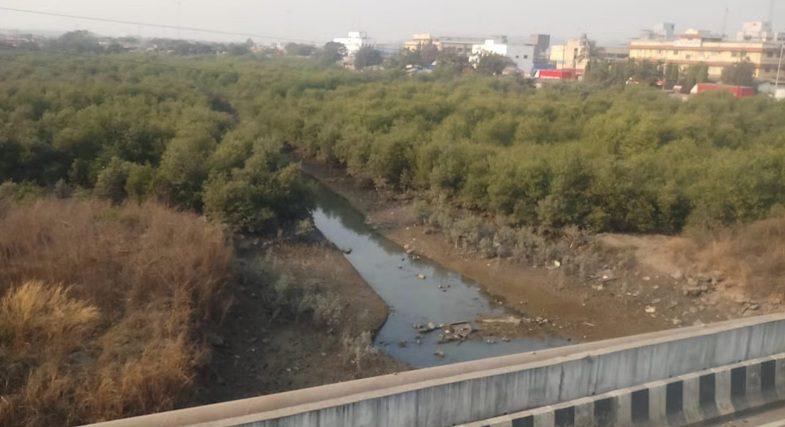
Mumbai, India’s financial capital, finds itself in the midst of a heated environmental and civic debate. A proposed mega‑infrastructure project — the Versova–Bhayandar Coastal Road (often referred to simply as the Mumbai Coastal Road North Project) — has ignited widespread concern among environmentalists, local communities, students, youth organisations, actors, activists, and ordinary citizens. The flashpoint is not just traffic or travel time but the fate of mangroves — ecologically critical, biodiverse coastal forests that protect the city from storm surges, floods, and climate‑induced crises.
In recent weeks, a coalition of voices has spoken out in protest against the planned felling and diversion of these mangrove ecosystems — especially around areas such as Charkop, Kandivali, and the Manori Creek belt — where thousands of mangroves could be lost forever. The protests have drawn notable public figures from cinema and civil society, underscoring the deepening concern over the ecological and social costs of the project.
Mangroves: Mumbai’s Natural Shield — Why They Matter
To understand the depth of the controversy, you first need to understand why mangroves matter.
Mangrove forests are coastal trees and shrubs that grow in brackish, tidal waters — areas where land meets sea. While they may look like clumps of trees, they perform a range of crucial ecological functions:
- Natural Flood Defence: Their complex root systems dissipate wave energy and act as a buffer against storm surges, significantly reducing the impact of extreme weather on inland areas.
- Carbon Sequestration: Mangroves store carbon at exceptionally high rates — far greater than many other ecosystems — helping mitigate climate change.
- Biodiversity Hotspots: They support fish nurseries, crustaceans, migratory birds, and countless other species that depend on the intertidal ecosystem.
- Water Filtration and Pollution Buffering: They trap sediments and pollutants, helping improve water quality in adjacent coastal waters.
In Mumbai’s context — a city vulnerable to monsoon floods, rising sea levels, and extreme weather events — mangroves have long been considered a lifeline. During the devastating 2005 floods, coastal areas with intact mangroves suffered relatively less damage compared to heavily reclaimed or deforested zones.
Despite their importance, mangroves have steadily declined across India and globally due to urbanisation, reclamation, pollution, encroachment, and infrastructure projects.
What the Coastal Road Project Entails
The Versova–Bhayandar Coastal Road North Project is a multi‑thousand‑crore infrastructure scheme stretching over 20‑plus kilometres along the city’s western coastline. Envisioned as an extension of Mumbai’s existing coastal connectivity network, it aims to cut travel time between the northern suburbs and key commercial hubs.
• The road will include bridges, tunnels, elevated sections, and reclaimed land.
• Authorities have stated that specific sections will pass through or near forest land — primarily mangrove areas — which will be diverted for non‑forest use.
• Estimates suggest that approximately 45,000 mangroves may be affected, with around 9,000 likely to be permanently felled.
Proponents argue that the road will reduce congestion, support economic activity, and improve connectivity. But critics say the benefits — possibly reducing travel time by only 15–20 minutes — do not justify the long‑term environmental cost.
Why the Proposal Sparked Protests
Public frustration boiled over when environmental activists, residents, children, and public figures gathered in Mumbai to oppose the clearing of mangroves for the project. Demonstrations were held in prominent locations, including coastal promenades and major arteries of local civil activity.
Prominent among the voices were actors Dia Mirza and Richa Chadha, who stood at the forefront of the protest, appealing not just emotionally but with hard‑hitting rationality:
- Dia Mirza emphasised that mangroves are non‑replaceable: “We don’t want to live in a city where our natural infrastructure is lost and grey replaces green. No amount of afforestation can compensate for the loss of mature ecosystems built over decades.”
- Richa Chadha questioned the logic of sacrificing mangroves to save “20 minutes of travel time”, underlining that “there is no economy without ecology” and warning that technological solutions should not come at the cost of environmental degradation.
Their participation elevated the protest beyond a local issue to a national conversation about sustainable development, civic engagement, and the role of public infrastructure projects in a climate‑vulnerable future.
Civil Society and Local Engagement
The protests were not limited to celebrities. Students, environmental groups, local residents, parents with children, and community leaders joined hands. Many carried placards, slogans, and petitions, and demanded that authorities either reconsider the route of the coastal project or explore genuinely sustainable alternatives that avoid significant ecological loss.
Children, in particular, featured poignantly in demonstrations — seen holding signs about their future, climate justice, and the legacy of environmental choices.
Civil society groups pointed out that compensatory afforestation — planting trees elsewhere to make up for the lost ecosystem — is a flawed fix. Mature mangroves provide ecological benefits that cannot be replicated by new saplings planted in unrelated areas, especially in terms of biodiversity, carbon storage, and coastal flood protection.
The Government and Authority Perspective
Officials overseeing the project have maintained that they have obtained necessary statutory clearances and that the project will be implemented according to environmental norms and legal requirements. They have also stated that mangroves will be geotagged (digitally documented) to ensure accurate tracking and phased removal where absolutely necessary.
Compensatory measures have also been proposed, including afforestation in regions such as Bhayander and the Tadoba‑Andhari Tiger Reserve area in eastern Maharashtra.
Critics of the protest argue that these measures are industry standard requirements under environmental law and that they believe they offer a balance between infrastructure development and ecological preservation.
Ecological and Climate Arguments
Experts and protesters have cited hard science to support their concerns:
- Mumbai has experienced a measurable rise in sea level in recent decades — more than 4.4 centimetres from 1987 to 2021, according to think‑tank studies — amplifying flood risk.
- Climate scientists warn that coastal cities like Mumbai will face increasing threats from extreme weather events, rising tides, and erratic rainfall.
In this context, mangroves function like natural storm surge barriers — and their removal, according to scientists, may exacerbate already rising climate risks.
Voices of Opposition from Within the Community
On social platforms and community forums, voices against mangrove cutting have been forceful:
- Some residents reported seeing sections of mangroves destroyed quietly near Versova.
- Others warned that without these natural barriers, floods could reach further into urban areas and cause devastating effects.
- Several commentators pointed out the irony of large‑scale projects threatening the very ecosystems that protect the city’s livability.
These narratives resonate with many citizens who feel disconnected from the planning processes of large infrastructure projects — particularly when ecological consequences are not fully transparent.
This article may be prepared with the assistance of artificial intelligence (AI) and is reviewed before publication. While we aim for accuracy and timeliness, readers should verify important facts from official or primary sources. If you believe any information is inaccurate or that any content infringes your rights, please contact ainewsbreaking.com for review and appropriate action.