NATO Withdraws Troops from Iraq Mission Amid Escalating Iran War, Relocates Forces to Europe
In a significant strategic shift triggered by the intensifying conflict in the Middle East, the North Atlantic Treaty Organization (NATO) has withdrawn all of its personnel from its advisory mission in Iraq and relocated them to Europe. The move comes as the ongoing war involving Iran continues to destabilize the region, raising serious security concerns for international military forces operating nearby.
Complete Withdrawal from Iraq Mission
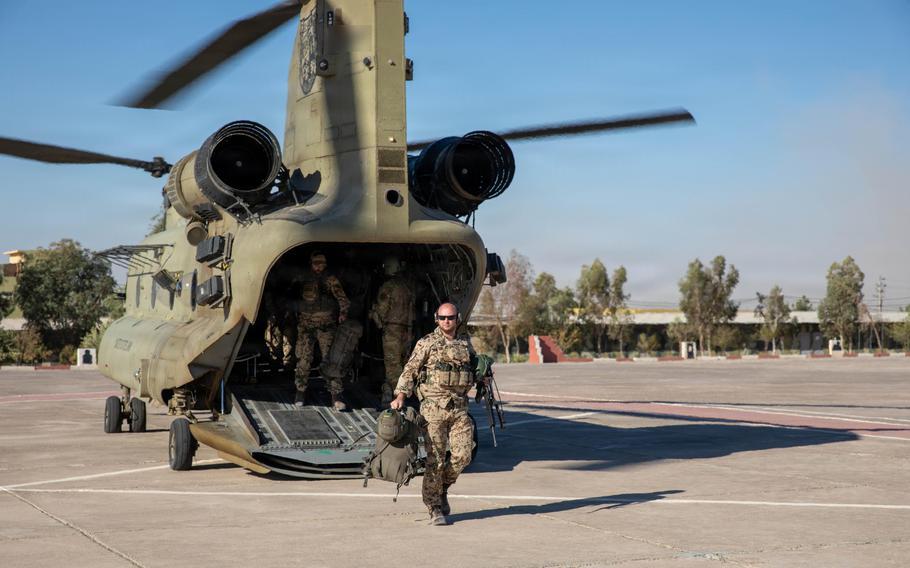
According to official statements, NATO has confirmed that it has fully relocated its mission personnel from Iraq to Europe, effectively suspending its physical presence in the country for the time being. The alliance clarified that the relocation involved several hundred troops, primarily engaged in advisory and training roles rather than combat operations.
The decision reflects growing concerns over the safety of personnel amid escalating hostilities linked to the Iran conflict, which has increasingly spilled across borders and affected multiple countries in the Gulf region.
U.S. Air Force General Alexus Grynkewich, NATO’s Supreme Allied Commander Europe, expressed gratitude to Iraq and partner nations for facilitating the safe evacuation of personnel. He emphasized the professionalism and dedication of NATO forces who continued their mission under increasingly dangerous conditions.
Mission Shifted to Europe
While NATO troops have left Iraq, the alliance has not entirely abandoned its mission. Instead, operations have been relocated to a military headquarters in Naples, Italy, where coordination and strategic planning will continue remotely.
The NATO Mission Iraq (NMI), launched to train and advise Iraqi security forces, has always been a non-combat initiative aimed at strengthening Iraq’s defense capabilities and preventing the resurgence of extremist groups like ISIS. Even after the withdrawal, NATO has reiterated its commitment to maintaining cooperation with Iraqi authorities.
A NATO spokesperson confirmed that the alliance is now “adjusting its posture” in response to the volatile security environment, stressing that personnel safety remains the top priority.
Iran War Drives Strategic Decisions
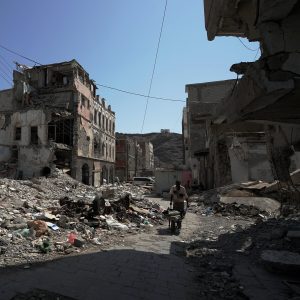
The withdrawal comes against the backdrop of a rapidly escalating war involving Iran, which has triggered widespread instability across the Middle East. The conflict has seen missile strikes, drone attacks, and military operations spreading beyond Iran’s borders, affecting neighboring countries and international assets.
Recent reports indicate that Iranian-linked attacks near military installations in Iraq significantly heightened the risk for NATO personnel stationed there.
The broader war has already resulted in thousands of casualties, mass displacement, and severe disruptions to global energy supplies. Strategic waterways such as the Strait of Hormuz have been affected, pushing oil prices higher and intensifying global economic concerns.
Wider NATO and European Response
NATO’s decision is part of a larger pattern of military withdrawals and relocations by several member countries. Nations including Spain, Poland, and Croatia have also pulled back troops from Iraq and surrounding regions due to escalating risks.
Spain, for instance, had already begun moving its forces earlier in the week, citing security threats tied to the Iran war.
This coordinated pullback highlights growing concerns among European nations about becoming entangled in a broader regional conflict. Many NATO members have been cautious about direct involvement, preferring defensive or advisory roles rather than active combat participation.
Geopolitical Tensions Within NATO
The withdrawal has also exposed divisions within NATO regarding how to respond to the Iran conflict. While the United States has taken a more aggressive stance, deploying additional troops and assets to the region, several European allies have been reluctant to escalate their involvement.
This divergence has even drawn criticism from political leaders, with accusations that NATO allies are not doing enough to support broader military efforts in securing critical areas like the Strait of Hormuz.
European leaders, on the other hand, have emphasized diplomacy, de-escalation, and the need for clear strategic objectives before committing further military resources.
Impact on Iraq’s Security Landscape
The withdrawal of NATO forces raises important questions about the future of Iraq’s security environment. The NATO mission has played a key role in training Iraqi forces, improving military institutions, and enhancing counter-terrorism capabilities.
With the physical presence of NATO troops now removed, there are concerns that Iraq may face challenges in maintaining security stability, particularly if regional tensions continue to escalate.
However, NATO has reassured that its support will continue through remote coordination and ongoing political dialogue with Iraqi authorities.
Global Implications
The relocation of NATO troops is not just a regional development—it reflects a broader shift in global military strategy in response to the Iran war. The conflict is increasingly influencing:
- Energy markets, with oil prices surging
- Global trade routes, especially in the Gulf
- Military alignments, as countries reassess their involvement
- Diplomatic relations, particularly between the U.S. and European allies
The decision to withdraw troops underscores the growing unpredictability of the Middle East conflict and the risks it poses to international forces operating in the region.
This article may be prepared with the assistance of artificial intelligence (AI) and is reviewed before publication. While we aim for accuracy and timeliness, readers should verify important facts from official or primary sources. If you believe any information is inaccurate or that any content infringes your rights, please contact ainewsbreaking.com for review and appropriate action.