Nigeria Intensifies Discussions on $20 Billion Gas Pipeline to Europe
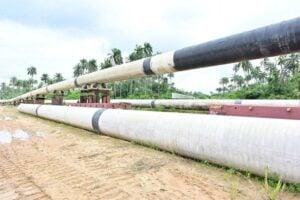
In a significant development, Nigeria has accelerated its talks with European partners regarding the construction of a $20 billion gas pipeline. This ambitious project aims to transport Nigerian natural gas to Europe, providing an alternative energy source for the continent. The proposed pipeline is expected to play a crucial role in diversifying Europe’s energy supply, reducing its dependence on other regions. As the discussions progress, officials from both sides are working to finalize the details of the project, which could have far-reaching implications for the global energy market.
The Nigerian government has been actively engaging with European nations to explore the possibility of exporting its vast natural gas reserves to the continent. With an estimated 200 trillion cubic feet of proven gas reserves, Nigeria is well-positioned to become a key player in the global energy landscape. The proposed pipeline would enable the country to capitalize on its natural resources, generating significant revenue and creating new economic opportunities.
The $20 billion project is expected to be one of the most substantial investments in Nigeria’s energy sector, with the potential to transform the country’s economy. By tapping into the European market, Nigeria can increase its gas exports, which would not only boost its economy but also help to reduce gas flaring and environmental pollution. The project’s success would also depend on the cooperation of various stakeholders, including government agencies, international partners, and local communities.
As the talks advance, Nigerian officials are working closely with their European counterparts to address the technical, financial, and logistical aspects of the project. The pipeline’s construction is expected to be a complex and challenging process, requiring careful planning and coordination. However, if successful, the project could pave the way for increased energy cooperation between Nigeria and Europe, fostering a new era of economic collaboration and cooperation.
The Nigerian government’s efforts to develop its energy sector are part of a broader strategy to diversify the country’s economy and reduce its dependence on oil exports. By investing in gas infrastructure and promoting the development of the energy sector, Nigeria aims to create new opportunities for economic growth and development. The proposed pipeline project is a key component of this strategy, and its success could have a significant impact on the country’s future economic prospects.
With the talks ongoing, officials are optimistic about the project’s potential, citing the mutual benefits it could bring to both Nigeria and Europe. As the discussions continue, it is likely that more details about the project will emerge, providing further insight into the opportunities and challenges associated with this ambitious undertaking. For now, the intensified talks between Nigeria and Europe mark an important step forward in the development of the $20 billion gas pipeline project.
This article may be prepared with the assistance of artificial intelligence (AI) and is reviewed before publication. While we aim for accuracy and timeliness, readers should verify important facts from official or primary sources. If you believe any information is inaccurate or that any content infringes your rights, please contact ainewsbreaking.com for review and appropriate action.