
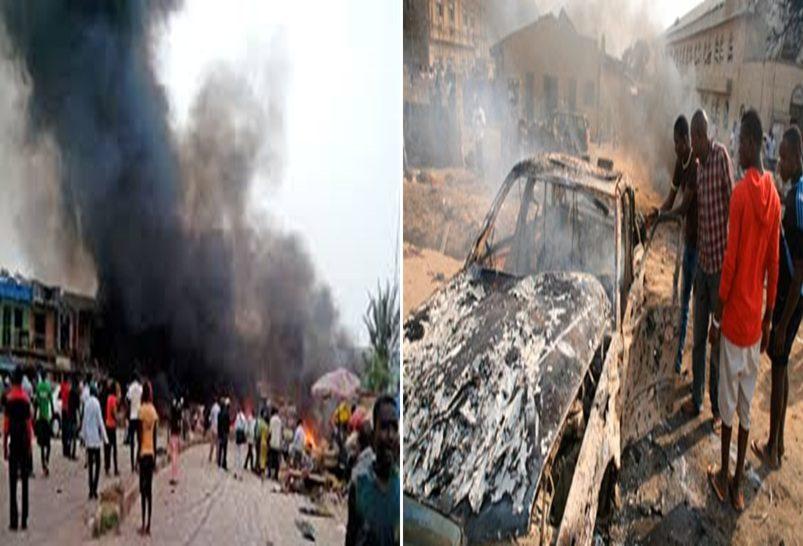
Nigeria Terror Attacks: 23 Dead, Over 100 Injured in Coordinated Suicide Bombings Across Borno State
Nigeria has once again been rocked by a wave of deadly violence after multiple coordinated suicide attacks killed at least 23 people and injured more than 100 others. The attacks, which took place in the country’s conflict-ridden northeast, have reignited fears about the resurgence of extremist groups and the fragile security situation in the region.
Authorities believe the assaults bear the hallmarks of insurgent factions linked to Boko Haram, which has been responsible for thousands of deaths and widespread displacement over the past decade.
Details of the Attacks
The series of suicide bombings occurred in Borno State—the epicenter of Nigeria’s long-running insurgency. According to local officials and security sources, the attackers targeted crowded public areas, maximizing casualties and panic.
The attacks reportedly unfolded in multiple locations, including:
- A busy marketplace filled with civilians
- A transport hub where commuters were gathered
- A displacement camp housing people fleeing earlier violence
Witnesses described scenes of chaos, with loud explosions followed by panic as injured victims cried out for help. Emergency responders and local volunteers rushed to evacuate the wounded to nearby hospitals.
Casualties and Damage
Officials confirmed that at least 23 people lost their lives, while over 100 others sustained injuries—many of them severe. Medical facilities in the region have been overwhelmed, with doctors struggling to cope with the sudden influx of casualties.
Several victims are reported to be in critical condition, raising fears that the death toll could rise further.
Infrastructure damage was also significant, with stalls destroyed in marketplaces and vehicles damaged at transport centers.
Suspected Perpetrators
While no group immediately claimed responsibility, suspicion has fallen on Boko Haram and its splinter faction, the Islamic State West Africa Province (ISWAP).
These groups have a history of:
- Using suicide bombers, including women and children
- Targeting civilian populations
- Attacking internally displaced persons (IDP) camps
Security experts note that the coordinated nature of the attacks suggests a high level of planning and organization.
Security Situation in Borno
Borno State has been at the heart of Nigeria’s insurgency since 2009. Despite repeated military offensives, extremist groups continue to carry out deadly attacks, particularly in rural and semi-urban areas.
The region faces several challenges:
- Limited security presence in remote areas
- Poor infrastructure hindering rapid response
- Ongoing humanitarian crisis with millions displaced
The latest attacks highlight the persistent threat posed by insurgents and the difficulty of maintaining long-term stability.
Government and Military Response
The Nigerian government has condemned the attacks and vowed to bring the perpetrators to justice. Security forces have been deployed to:
- Increase patrols in vulnerable areas
- Track down those responsible
- Prevent further attacks
Officials have also urged citizens to remain vigilant and report suspicious activities.
However, critics argue that more needs to be done to improve intelligence gathering and protect civilians, particularly in high-risk zones.
Humanitarian Impact
The attacks have deepened the already severe humanitarian crisis in northeastern Nigeria.
Millions of people in Borno State are already living in displacement camps due to ongoing violence. These camps, often overcrowded and under-resourced, remain vulnerable to attacks.
Aid organizations warn that continued violence could:
- Disrupt humanitarian operations
- Worsen food insecurity
- Increase displacement
The psychological toll on survivors is also immense, with many experiencing trauma and fear of further violence.
Regional and Global Reactions
International organizations and foreign governments have condemned the attacks and expressed solidarity with Nigeria.
Counterterrorism experts warn that instability in Nigeria’s northeast has broader implications for West Africa, as extremist groups seek to expand their influence across borders.
Rising Pattern of Suicide Attacks
The use of suicide bombers has been a consistent tactic of Boko Haram. In recent years, the group has increasingly deployed:
- Female suicide bombers
- Teenagers coerced into attacks
- Multiple coordinated blasts to maximize impact
This pattern makes prevention particularly challenging, as attackers often blend into civilian populations.
This article may be prepared with the assistance of artificial intelligence (AI) and is reviewed before publication. While we aim for accuracy and timeliness, readers should verify important facts from official or primary sources. If you believe any information is inaccurate or that any content infringes your rights, please contact ainewsbreaking.com for review and appropriate action.