Nirav Modi Extradition to India Approved, Paving Way for Trial of Alleged Diamond Merchant
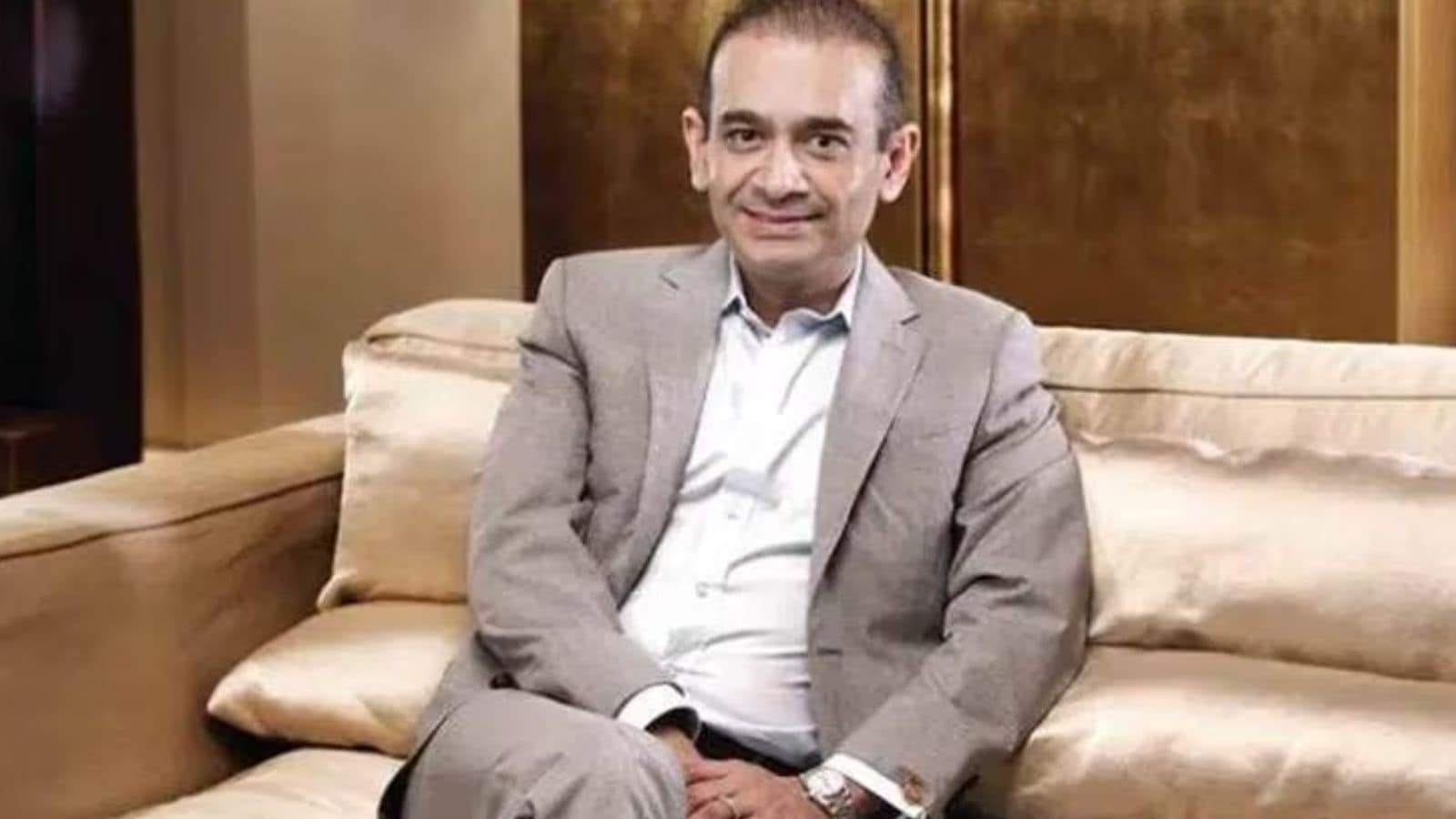
In a significant development, the extradition of Nirav Modi, the fugitive diamond merchant, to India has been approved, marking a major milestone in the country’s efforts to bring the alleged fraudster to justice. Modi, who has been living in the United Kingdom, is wanted in India for his alleged role in a massive bank fraud that resulted in losses of over $2 billion. The extradition approval comes after a lengthy legal battle, and Modi is now expected to face trial in India, where he will be held accountable for his alleged crimes.
The case against Modi began to unfold in 2018, when the Punjab National Bank in India discovered that one of its branches had been defrauded of millions of dollars. The bank alleged that Modi, along with his uncle Mehul Choksi and several other accomplices, had conspired to obtain fake loans and guarantees, resulting in massive financial losses. Modi, who was already in the UK at the time, denied any wrongdoing and claimed that the allegations against him were baseless.
The Indian government, however, was determined to bring Modi to justice, and in 2019, it formally requested his extradition from the UK. The request was based on the evidence collected by Indian investigators, which included documents, witness statements, and other material that allegedly linked Modi to the fraud. The UK authorities, after reviewing the evidence, agreed to extradite Modi, paving the way for his return to India.
The extradition process was not without its challenges, as Modi’s lawyers argued that he would not receive a fair trial in India and that his human rights would be violated. However, the UK courts ultimately rejected these claims, concluding that Modi’s extradition was lawful and that he would be treated fairly in the Indian judicial system. The Indian government has welcomed the extradition approval, saying that it is a major victory in its fight against corruption and financial crime.
As Modi prepares to face trial in India, the country’s authorities are bracing for a high-profile and complex case that will be closely watched by the media and the public. The trial is expected to be a lengthy and contentious process, with Modi’s lawyers likely to challenge the evidence against him and argue that he is innocent of the allegations. Nevertheless, the extradition approval marks a significant step forward in the case, and it is likely that Modi will finally be held accountable for his alleged role in the massive bank fraud.
The case has also highlighted the importance of international cooperation in combating financial crime and corruption. The Indian government has praised the UK authorities for their assistance in the extradition process, saying that it demonstrates the strong partnership between the two countries in fighting crime and promoting justice. As the trial of Nirav Modi approaches, it is clear that the case will have far-reaching implications for India’s efforts to tackle corruption and financial crime, and that it will be a major test of the country’s judicial system.
This article may be prepared with the assistance of artificial intelligence (AI) and is reviewed before publication. While we aim for accuracy and timeliness, readers should verify important facts from official or primary sources. If you believe any information is inaccurate or that any content infringes your rights, please contact ainewsbreaking.com for review and appropriate action.