Pakistan to Host Historic US-Iran Talks Amid Multiple Crises
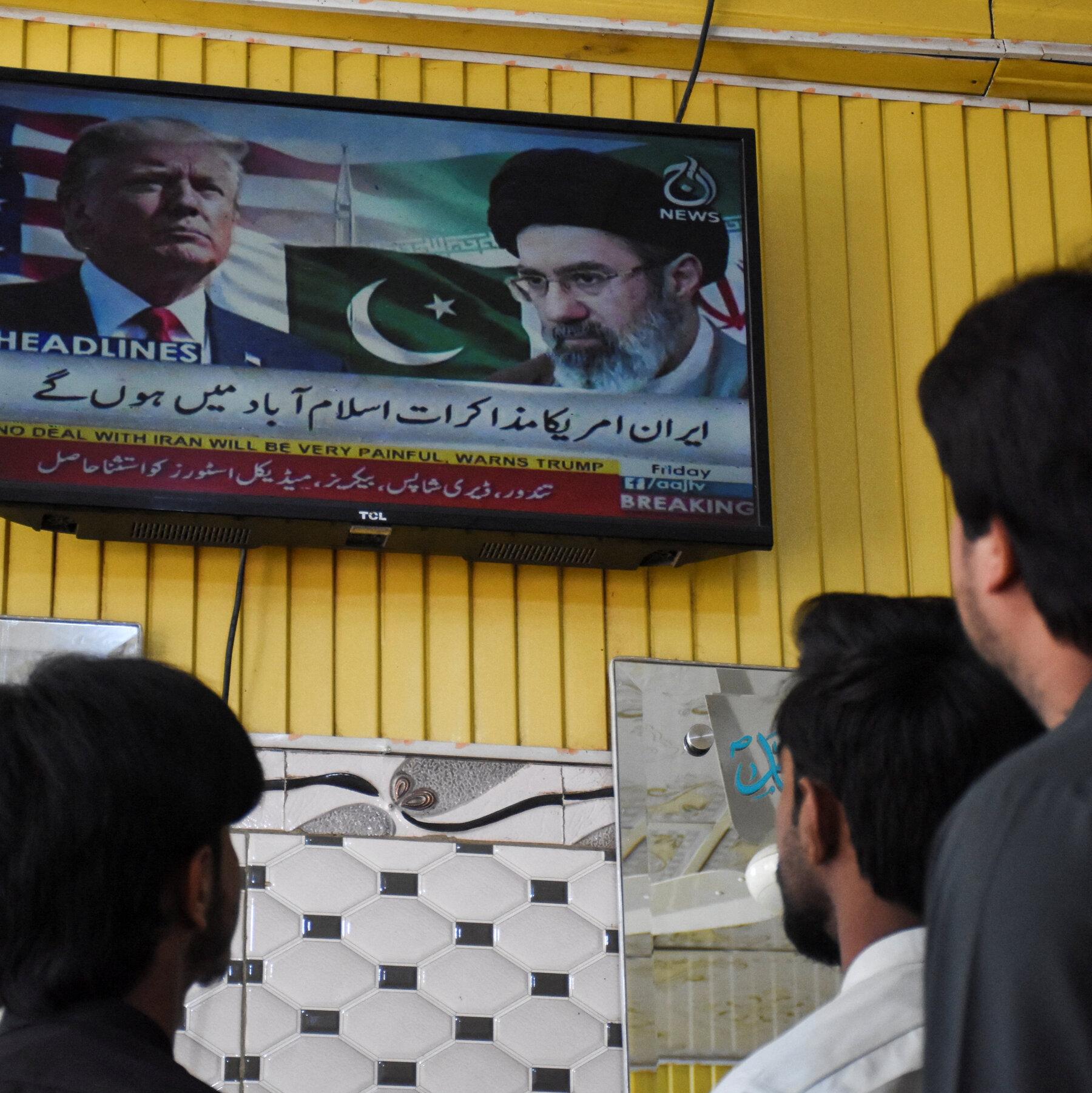
Pakistan, grappling with internal economic woes, terrorism, and strained relations with neighboring countries, is set to host the first formal talks between the United States and Iran since the conflict began. The development marks a significant shift in international diplomacy, with Pakistan’s fragile stability and its relations with key global powers hanging in the balance.
Tensions between the US and Iran escalated in recent years, particularly after a US drone strike killed a top Iranian military commander in 2020. Since then, diplomatic channels have been largely closed, with sporadic exchanges and indirect negotiations. Pakistan, with its long-standing ties to Iran, has traditionally played a neutral role in regional affairs, hosting multiple rounds of Afghan peace talks and facilitating dialogue between other nations.
According to sources, the upcoming US-Iran talks are set to take place in Islamabad, with Pakistan government officials reportedly working behind the scenes to facilitate the dialogue. The venue for the talks has not been officially confirmed, but diplomatic sources suggest that Prime Minister Shehbaz Sharif is likely to host the high-level delegation.
Pakistan’s own crisis management will be under scrutiny during this period, as the country struggles with economic stagnation, exacerbated by a devastating heatwave that has ravaged the nation’s agriculture sector. In addition to the economic burdens, Pakistan faces ongoing security threats from extremist groups, including Tehreek-e-Taliban Pakistan (TTP). The fragile peace established in 2017 in the Federally Administered Tribal Areas (FATA) could see a resurgence of terrorist activity.
In light of these complex challenges, Pakistan’s hosting of the historic US-Iran talks presents both opportunities and risks. With Pakistan’s fragile stability in focus, regional observers will closely monitor the progress of the talks and analyze the implications for future regional dynamics.
Pakistan’s efforts to maintain diplomatic neutrality in regional conflicts have paid dividends over the years. With this latest development, Islamabad is set to become a key player in international diplomacy, as Pakistan’s government strives to promote peace and stabilize the fragile regional equilibrium.
While international diplomatic observers eagerly await the details and outcomes of the talks, Pakistan’s leadership will need to manage the competing interests and expectations of multiple stakeholders, ensuring the successful facilitation of this delicate process without adding fuel to the fires of regional instability.
This article may be prepared with the assistance of artificial intelligence (AI) and is reviewed before publication. While we aim for accuracy and timeliness, readers should verify important facts from official or primary sources. If you believe any information is inaccurate or that any content infringes your rights, please contact ainewsbreaking.com for review and appropriate action.