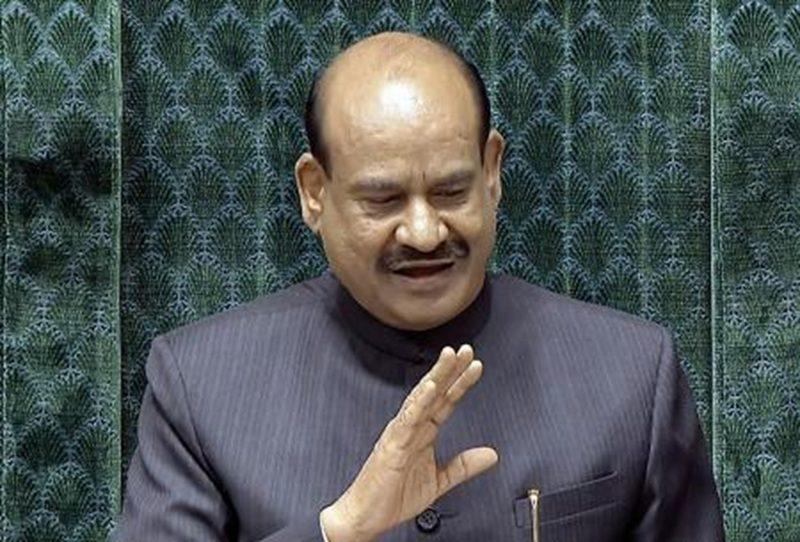
Parliamentary Protocol Prevails: Speaker Om Birla Reiterates Importance of Rules and Regulations in Lok Sabha
In a recent address, Lok Sabha Speaker Om Birla underscored the significance of adhering to established rules and regulations within the parliamentary framework. His statement comes in response to allegations of bias, emphasizing that the principles of parliamentary protocol are universally applicable, irrespective of an individual’s position or stature, including that of the Prime Minister. This stance reinforces the foundation of democratic governance, where the rule of law and the procedures of the House are paramount.
Speaker Birla’s remarks highlighted the delicate balance between the freedom of expression granted to lawmakers and the necessity of exercising this freedom within the confines of established protocols. The freedom to speak and engage in parliamentary debates is a fundamental right of members of the House, but it is not unbridled. Rather, it must be conducted in a manner that respects the rules and traditions of the Lok Sabha. This balance is crucial for maintaining order, ensuring constructive dialogue, and upholding the dignity of the parliamentary institution.
The Speaker’s emphasis on the importance of rules and regulations serves as a reminder of the institutional checks and balances that are integral to the functioning of a healthy democracy. In the context of the Lok Sabha, these rules are designed to facilitate fair and orderly proceedings, providing each member with an opportunity to contribute to the legislative process while preventing chaos and ensuring that the business of the House is conducted efficiently.
By reiterating that these rules apply universally, Speaker Birla sends a strong message about the egalitarian nature of parliamentary democracy. It underscores that no individual, regardless of their party affiliation, political influence, or position within the government, is above the rules that govern the House. This principle is essential for maintaining public trust in the institution and for ensuring that the legislative process is seen as fair and transparent.
Moreover, the Speaker’s stance is a reflection of the broader principles of democratic governance, where the application of rules and laws is consistent and unbiased. It reinforces the idea that in a democracy, the rule of law is supreme, and all individuals, including those in positions of power, are subject to the same legal and parliamentary standards. This not only strengthens the democratic framework but also contributes to a stable and predictable political environment, which is conducive to economic growth, social development, and political stability.
In conclusion, Speaker Om Birla’s response to allegations of bias by reaffirming the universal applicability of parliamentary rules and regulations is a significant step towards reinforcing the principles of democratic governance in India. It highlights the importance of institutional integrity, the rule of law, and the balanced exercise of freedom of expression within the parliamentary context. As the Lok Sabha continues to play its crucial role in the country’s legislative and political landscape, the adherence to these principles will remain essential for the health and vitality of India’s democratic system.
This article may be prepared with the assistance of artificial intelligence (AI) and is reviewed before publication. While we aim for accuracy and timeliness, readers should verify important facts from official or primary sources. If you believe any information is inaccurate or that any content infringes your rights, please contact ainewsbreaking.com for review and appropriate action.