
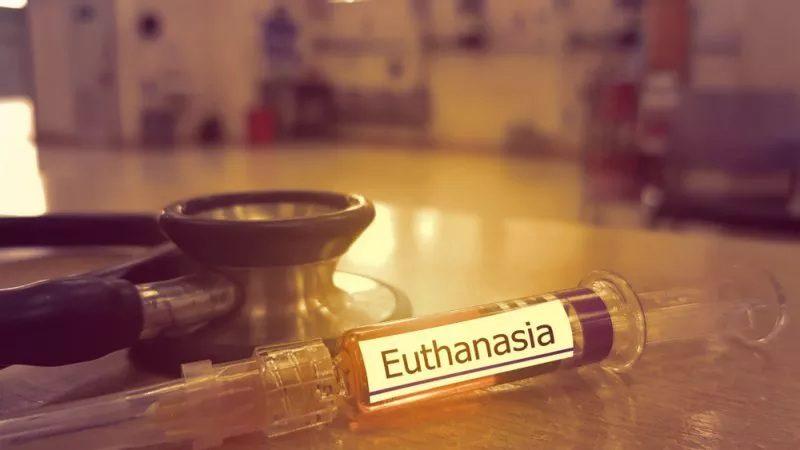
Passive Euthanasia in India: When the Supreme Court First Recognised the Right to Die with Dignity
The concept of passive euthanasia in India has evolved gradually through a series of landmark judicial decisions by the Supreme Court of India. Over the years, the country’s highest court has examined complex ethical, legal, and medical questions surrounding the right to die with dignity. These rulings have shaped how Indian law treats terminally ill patients who wish to withdraw life-sustaining treatment.
Recently, the court again brought the issue into focus when it allowed passive euthanasia for Harish Rana, directing doctors to ensure a dignified withdrawal of treatment. The order also instructed the All India Institute of Medical Sciences to prepare a detailed medical plan to carry out the process responsibly and ethically.
This development highlights a broader legal journey that began more than a decade ago when the Supreme Court first formally recognised passive euthanasia under specific circumstances.
What Is Passive Euthanasia?
Passive euthanasia refers to the withdrawal or withholding of life-sustaining medical treatment for patients who are terminally ill or in a permanent vegetative state. Instead of actively causing death, doctors stop interventions such as:
- Artificial ventilation
- Feeding tubes
- Life-support medication
- Other extraordinary medical treatments
The aim is to allow the patient to die naturally while preserving dignity and minimizing suffering.
Passive euthanasia differs from active euthanasia, which involves administering substances or actions specifically intended to cause death. Active euthanasia remains illegal in India.
The Landmark Case That First Recognised Passive Euthanasia
The concept was first recognised in India in 2011 during the historic Aruna Shanbaug Case.
Who Was Aruna Shanbaug?
Aruna Shanbaug was a nurse at King Edward Memorial Hospital in Mumbai. In 1973, she was brutally assaulted by a hospital sweeper, which caused severe brain damage and left her in a permanent vegetative state.
For more than 40 years, Shanbaug remained bedridden and dependent on caregivers at the hospital.
Her case became the centre of a national debate after journalist and activist Pinki Virani filed a petition before the Supreme Court seeking permission to withdraw life support.
The Supreme Court’s 2011 Ruling
In its judgment, the Supreme Court rejected the request to withdraw life support for Aruna Shanbaug specifically. However, it delivered a historic ruling recognising passive euthanasia in India under strict safeguards.
The court said that life-support treatment could be withdrawn in exceptional cases, subject to approval from a High Court.
Conditions Set by the Court
The court established several safeguards to prevent misuse:
- Consent from relatives or caregivers
- Medical opinion from a panel of doctors
- Approval by the High Court concerned
This ruling marked the first time passive euthanasia was legally acknowledged in India, even though the procedure remained tightly regulated.
The Right to Die with Dignity
The debate surrounding euthanasia is closely linked to Article 21 of the Indian Constitution, which guarantees the right to life and personal liberty.
Over time, courts interpreted this provision more broadly to include the right to live with dignity, and eventually the right to die with dignity in certain circumstances.
The Supreme Court emphasized that forcing a terminally ill patient to endure prolonged suffering could violate human dignity.
The 2018 Landmark Judgment
A major shift occurred in 2018 in the case of Common Cause vs Union of India.
In this ruling, the Supreme Court:
- Recognised passive euthanasia as a legal option nationwide
- Legalised the concept of “living wills” or advance directives
What Is a Living Will?
A living will allows a person to declare in advance that life-support treatment should not be continued if they become terminally ill or permanently unconscious.
This means individuals can make decisions about their own medical treatment before losing the ability to communicate their wishes.
The judgment strengthened the idea that personal autonomy and dignity are central to the right to life.
Revised Guidelines in 2023
In 2023, the Supreme Court simplified procedures related to passive euthanasia and living wills.
Earlier, the process involved complicated approvals from multiple authorities. The updated guidelines:
- Reduced bureaucratic hurdles
- Simplified the process of executing a living will
- Allowed hospitals to make quicker decisions with medical boards
These changes were aimed at ensuring that terminally ill patients do not suffer unnecessarily due to procedural delays.
The Recent Harish Rana Case
The issue resurfaced when the Supreme Court allowed passive euthanasia for Harish Rana, a patient who had been suffering from severe medical complications.
The court directed the All India Institute of Medical Sciences to:
- Conduct a medical review
- Prepare a structured plan for withdrawal of treatment
- Ensure the process respects human dignity and medical ethics
The decision reinforces the principle that end-of-life care must balance medical responsibility with compassion and respect for the patient’s dignity.
Ethical Debate Around Euthanasia
Despite legal recognition of passive euthanasia, the topic continues to generate intense ethical debate.
Arguments Supporting Passive Euthanasia
Supporters argue that it:
- Respects patient autonomy
- Prevents prolonged suffering
- Allows a dignified end to life
- Reduces emotional and financial burden on families
Concerns Raised by Critics
Opponents worry about:
- Possible misuse or coercion
- Ethical dilemmas for doctors
- Pressure on vulnerable patients
- Cultural and religious objections
Because of these concerns, India continues to maintain strict safeguards and medical oversight.
Global Perspective
Many countries have debated euthanasia laws in recent decades.
Some nations permit both passive and active euthanasia, while others allow only passive euthanasia under strict conditions.
India’s approach remains relatively cautious, focusing on withdrawal of treatment rather than direct intervention to end life.
The country’s legal framework aims to balance compassion, ethics, and protection against misuse.
Role of Medical Institutions
Hospitals play a crucial role in implementing passive euthanasia decisions.
Institutions such as the All India Institute of Medical Sciences must ensure that:
- Medical boards review each case carefully
- Doctors follow ethical guidelines
- Families receive counseling and support
- The patient’s dignity remains central
Medical professionals are required to follow strict protocols before withdrawing life-sustaining treatment.
Impact on Healthcare and Law
The recognition of passive euthanasia has influenced several areas of Indian healthcare and legal policy:
- End-of-life care planning
- Patient rights and autonomy
- Medical ethics guidelines
- Legal clarity for doctors and hospitals
The evolving legal framework also encourages discussions about palliative care and humane treatment for terminally ill patients.
The Continuing Legal Evolution
The recognition of passive euthanasia in India is not a single event but a continuing legal journey.
From the 2011 Aruna Shanbaug judgment to the 2018 living will ruling and later procedural reforms, the Supreme Court has gradually refined the law to address medical realities and ethical concerns.
Each case contributes to shaping a system that attempts to balance compassion with legal safeguards.
Conclusion
The concept of passive euthanasia in India was first formally recognised in 2011 by the Supreme Court of India during the historic Aruna Shanbaug Case.
Since then, subsequent rulings — especially the 2018 Common Cause judgment — have expanded the framework, allowing individuals to create living wills and enabling patients to exercise greater control over end-of-life decisions.
The recent order permitting passive euthanasia for Harish Rana, with oversight from the All India Institute of Medical Sciences, shows that the issue remains highly relevant in modern medical and legal discussions.
Ultimately, the Supreme Court’s evolving approach reflects an attempt to uphold a fundamental principle: that even in death, human dignity must be protected.
This article may be prepared with the assistance of artificial intelligence (AI) and is reviewed before publication. While we aim for accuracy and timeliness, readers should verify important facts from official or primary sources. If you believe any information is inaccurate or that any content infringes your rights, please contact ainewsbreaking.com for review and appropriate action.