PM Narendra Modi Says Centre Working on Strategies to Minimise West Asia Crisis Impact on India
Parliament Budget Session LIVE: Government Responds to West Asia Crisis
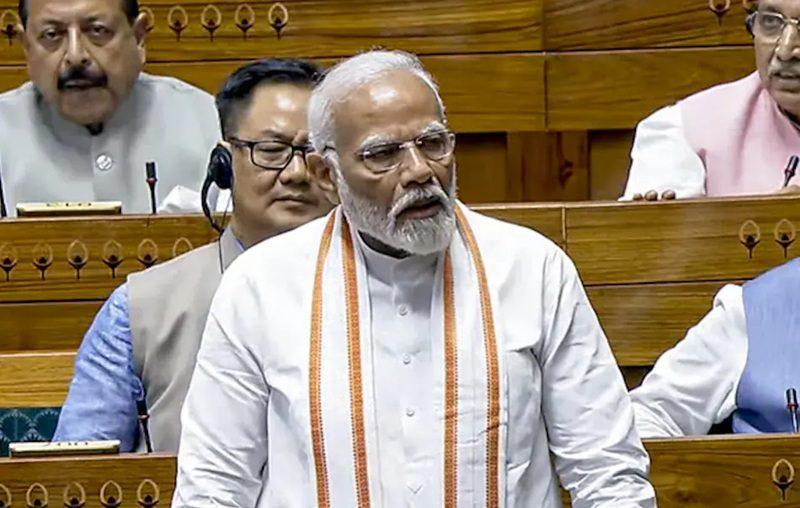
Amid escalating tensions in West Asia, Prime Minister Narendra Modi informed Parliament during the ongoing Budget Session that the Centre is actively working on multi-layered strategies to shield India from the economic and strategic fallout of the crisis.
Addressing both Houses, the Prime Minister emphasized that the government is closely monitoring developments in the region and taking proactive measures to ensure energy security, economic stability, and citizen safety.
🌍 Focus on West Asia Crisis and Its Impact
The ongoing conflict involving Iran, Israel, and the United States has significantly raised concerns for India, particularly due to its heavy dependence on oil imports from the region.
PM Modi stated:
- The government is closely tracking geopolitical developments
- India is preparing for multiple contingency scenarios
- Ministries are coordinating to minimise disruptions to trade and energy supplies
🛢️ Energy Security Takes Centre Stage
A major area of concern remains the potential disruption in oil supply through the Strait of Hormuz, through which a large portion of India’s crude imports pass.
The government is reportedly:
- Exploring alternative crude supply sources
- Increasing strategic petroleum reserves
- Engaging in diplomatic talks with key oil-producing nations
Officials have warned that any prolonged disruption could lead to higher fuel prices and inflationary pressure in India.
💱 Economic Measures Under Consideration
The Centre is also focusing on stabilizing the economy amid global uncertainty:
- Monitoring currency volatility, especially pressure on the rupee
- Coordinating with the Reserve Bank of India for possible interventions
- Ensuring liquidity support for markets
- Preparing fiscal strategies to cushion key sectors
The recent fall in stock markets and rising oil prices have added urgency to these measures.
✈️ Safety of Indian Nationals Abroad
The government is also prioritizing the safety of Indian citizens in conflict-affected areas.
Steps being considered include:
- Possible evacuation plans if the situation worsens
- Coordination with embassies in the region
- Real-time monitoring of Indian diaspora safety
India has a significant expatriate population in West Asia, making this a key concern.
🤝 Diplomatic Outreach Intensifies
India is maintaining active diplomatic engagement with all major stakeholders:
- Calls for de-escalation and peaceful resolution
- Maintaining balanced relations with both Iran and Israel
- Working with global partners to ensure stable energy markets
PM Modi reiterated India’s long-standing position supporting dialogue and diplomacy over conflict.
📊 Parliament Reactions
Members of Parliament across party lines expressed concern over:
- Rising fuel prices
- Impact on inflation and common citizens
- Economic slowdown risks
Opposition leaders demanded greater transparency and detailed action plans, while the government assured continuous updates.
🔮 What Lies Ahead?
Experts believe India’s response will depend on:
- Duration of the West Asia conflict
- Stability of oil supply chains
- Global market reactions
The government’s ability to balance economic stability, diplomatic neutrality, and energy security will be critical in the coming weeks.
This article may be prepared with the assistance of artificial intelligence (AI) and is reviewed before publication. While we aim for accuracy and timeliness, readers should verify important facts from official or primary sources. If you believe any information is inaccurate or that any content infringes your rights, please contact ainewsbreaking.com for review and appropriate action.