Rajya Sabha Elections 2026 : Voting Begins for 37 Seats Across 10 States, Results Expected Today
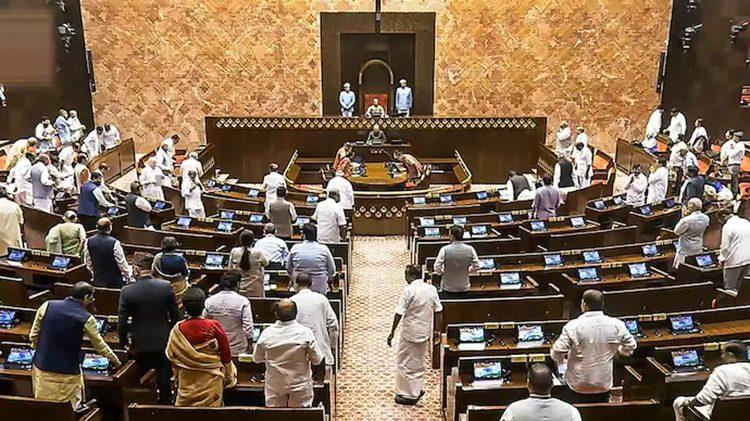
Voting has begun for the 2026 Rajya Sabha elections across 10 Indian states, with Members of Legislative Assemblies (MLAs) casting their votes to elect members to the upper house of Parliament. The polling process started on March 16 and will continue until the afternoon, after which counting of votes will begin the same day.
These elections are being held to fill 37 seats in the Rajya Sabha whose sitting members are set to retire in April. The outcome is expected to influence the balance of power in the upper house and could strengthen the position of the ruling alliance if projections hold.
Why the Rajya Sabha Elections Are Taking Place
The Rajya Sabha, the upper chamber of India’s Parliament, has a system where members serve six-year terms, with one-third of the members retiring every two years. Because several MPs’ terms end in April 2026, fresh elections are being conducted to fill the vacancies.
The Election Commission of India had earlier announced the full schedule for these biennial elections, including nomination deadlines, scrutiny dates, and polling day.
Polling began at 9:00 AM and will continue until 4:00 PM, followed by vote counting later in the evening.
States Where Voting Is Taking Place
The 37 seats are spread across 10 states, reflecting vacancies due to expiring terms of sitting members.
State-wise breakdown of seats:
- Maharashtra – 7 seats
- Tamil Nadu – 6 seats
- Bihar – 5 seats
- West Bengal – 5 seats
- Odisha – 4 seats
- Assam – 3 seats
- Telangana – 2 seats
- Chhattisgarh – 2 seats
- Haryana – 2 seats
- Himachal Pradesh – 1 seat
Several of these contests are closely watched because they could impact party representation in the Rajya Sabha.
Key Candidates in the Fray
The election has drawn several prominent political figures and candidates from major parties including the Bharatiya Janata Party (BJP), Congress, Trinamool Congress (TMC), DMK, RJD, and regional parties.
Among the notable names contesting:
- BJP national president Nitin Nabin from Bihar
- Candidates backed by alliances in Maharashtra and West Bengal
- Leaders from multiple regional parties across southern and eastern states
In some states, the number of candidates matches the number of seats available, meaning those candidates are likely to be elected unopposed without the need for voting.
Political Stakes for NDA and Opposition
The Rajya Sabha election is not just a routine parliamentary process—it has major political implications.
Analysts believe the BJP-led National Democratic Alliance (NDA) could strengthen its position in the upper house due to strong performances in recent state assembly elections, especially in states like Maharashtra and Bihar.
If the ruling alliance gains additional seats, it could help the government push legislation more smoothly in Parliament, where the Rajya Sabha often plays a decisive role.
For the opposition INDIA bloc, the focus is on retaining seats in states where they have strong legislative numbers.
Interesting Political Developments
The elections have already triggered significant political manoeuvring in several states.
In Bihar, smaller parties have emerged as potential kingmakers. For example, the AIMIM has announced support for the opposition’s grand alliance, potentially influencing the outcome of certain contests.
Meanwhile, discussions around Chief Minister Nitish Kumar’s possible move to the Rajya Sabha have also fueled political speculation and strategy debates.
How Rajya Sabha Members Are Elected
Unlike Lok Sabha elections where citizens vote directly, Rajya Sabha members are elected indirectly.
The process works as follows:
- MLAs of each state vote in the election.
- Voting uses proportional representation through the single transferable vote (STV) system.
- MLAs rank candidates in order of preference.
- Candidates must reach a calculated quota of votes to win a seat.
The system ensures representation based on the strength of parties in the state legislative assemblies.
Timeline of the Election Process
The Election Commission followed a structured schedule for the 2026 Rajya Sabha polls:
- Notification issued: February 26, 2026
- Last date for nominations: March 5, 2026
- Scrutiny of nominations: March 6
- Withdrawal deadline: March 9
- Polling and counting: March 16, 2026
What Happens After the Results
Once results are declared, the newly elected members will take office when the current members’ terms expire in April 2026.
These elections are part of a broader 2026 Rajya Sabha election cycle, which will eventually fill 72 seats throughout the year in phases across different states.
The final seat distribution will determine whether the ruling coalition moves closer to a majority in the Rajya Sabha.
This article may be prepared with the assistance of artificial intelligence (AI) and is reviewed before publication. While we aim for accuracy and timeliness, readers should verify important facts from official or primary sources. If you believe any information is inaccurate or that any content infringes your rights, please contact ainewsbreaking.com for review and appropriate action.