
Red Sea Internet Cable Threat: Will US-Iran War Disrupt Internet in India? Here’s What We Know
Rising Fears Amid Escalating US-Iran Conflict
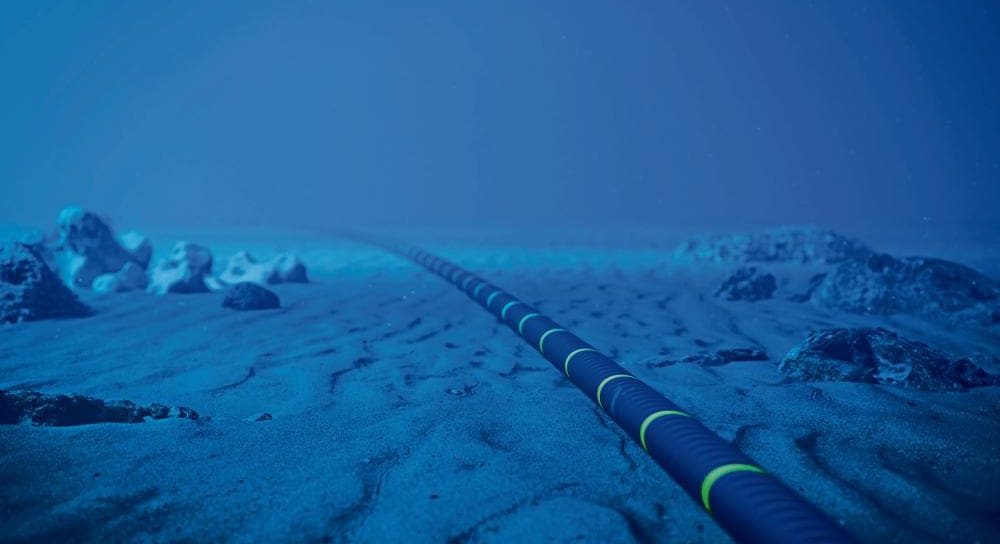
As tensions between the United States and Iran intensify, a new and unexpected concern has emerged—the safety of undersea internet cables in the Red Sea. These cables, largely invisible to the public, form the backbone of global connectivity. Any disruption could have far-reaching consequences, not just for the Middle East but for countries like India as well.
Recent reports suggest growing fears that the conflict could expand beyond military targets to include critical digital infrastructure, raising alarms among governments, tech companies, and cybersecurity experts worldwide.
Key Takeaways
- India may face slower internet, not a full shutdown
- Global digital infrastructure is more fragile than it appears
- The situation depends heavily on how the conflict evolves
Why Red Sea Cables Matter So Much
The Red Sea is one of the most critical digital chokepoints in the world. A large number of submarine fibre-optic cables pass through this narrow corridor, linking:
- Europe
- Asia
- Middle East
- Africa
These cables carry over 95% of global internet traffic, making them essential for everything from banking and cloud services to video calls and social media.
If these cables are damaged, the consequences can be immediate:
- Slower internet speeds
- Increased latency
- Temporary outages in some regions
What Triggered the Current Concerns?
- Reports indicate possible threats to Red Sea cables amid the US-Iran war escalation
- Tech projects like Meta’s massive undersea cable network have already been paused due to rising geopolitical risks
- Ongoing attacks and instability in the region, including maritime threats, have heightened fears that digital infrastructure could become a target
Although no confirmed attack on cables has been reported yet, the situation remains highly volatile.
This Has Happened Before — And India Was Affected
This isn’t just a theoretical risk.
In 2025, multiple undersea cables in the Red Sea were cut, causing:
- Internet disruptions across Asia and the Middle East
- Noticeable slowdowns in India and Pakistan
- Increased latency for cloud services like Microsoft Azure
Even though the damage was likely accidental (e.g., ship anchors), it showed how vulnerable the system is.
Will It Impact India? The Real Picture
Short Answer: Yes, but not a complete shutdown
India is connected to the global internet through multiple submarine cables, many of which pass through or near the Red Sea.
Possible Impact on India
If cables are damaged or targeted:
1. Slower Internet Speeds
Traffic may be rerouted through longer paths, increasing latency.
2. Temporary Service Disruptions
Some international services (especially hosted in Europe or the US) may face glitches.
3. Impact on Key Sectors
- IT & outsourcing industry
- Financial services
- Cloud-based platforms
- E-commerce
4. Higher Data Costs (in extreme cases)
Bandwidth constraints could increase operational costs for telecom providers.
Why India Won’t Go Completely Offline
Despite the risks, a total internet blackout in India is highly unlikely. Here’s why:
- Multiple cable routes: India is connected via several submarine cable systems
- Traffic rerouting: Networks automatically redirect data if one path fails
- Satellite backup systems: Though limited, they provide fallback support
Experts note that outages typically result in degradation, not total collapse.
A New Kind of Warfare: Targeting Digital Infrastructure
The biggest takeaway from this situation is how warfare is evolving.
Modern conflicts are no longer limited to land, air, or sea—they now include:
- Energy systems
- Shipping routes
- Internet infrastructure
Targeting undersea cables could:
- Disrupt global financial systems
- Impact stock markets
- Slow down international communications
This makes them a high-value strategic asset—and a potential target.
Global Implications Beyond India
If Red Sea cables are seriously damaged:
- Europe–Asia connectivity could be disrupted
- Global cloud services may slow down
- Financial transactions could face delays
- Tech companies may suffer outages
In extreme scenarios, it could trigger temporary global internet instability.
This article may be prepared with the assistance of artificial intelligence (AI) and is reviewed before publication. While we aim for accuracy and timeliness, readers should verify important facts from official or primary sources. If you believe any information is inaccurate or that any content infringes your rights, please contact ainewsbreaking.com for review and appropriate action.