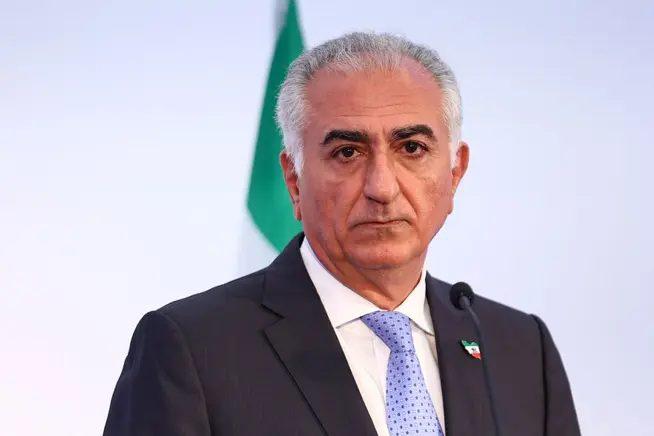
Reza Pahlavi Urges Global Mass Protests Against Iran’s Regime During Ancient Persian Festival
Exiled Iranian opposition leader Reza Pahlavi has called on Iranians around the world to organize mass gatherings and demonstrations against the Islamic Republic during a major ancient Persian celebration. The appeal comes amid growing political unrest inside Iran and escalating tensions in the wider Middle East.
Pahlavi, the son of Iran’s last monarch Mohammad Reza Pahlavi, urged supporters to use the occasion of Charshanbeh Suri, a centuries-old Persian festival celebrated just before the Iranian New Year, to demonstrate unity and opposition to the current government.
The call is part of a broader campaign by Iranian opposition groups to increase international pressure on the regime while inspiring protests within the country.
✅ Summary
- Iranian opposition figure Reza Pahlavi has called for global demonstrations against the Iranian regime.
- The protests are planned during Charshanbeh Suri, an ancient Persian festival linked to Nowruz celebrations.
- The appeal aims to mobilize both Iranians inside the country and the diaspora worldwide.
- The move comes amid widespread protests and growing international attention on Iran’s political situation.
Pahlavi’s Call for Mass Gatherings
In a message posted on social media, Pahlavi asked Iranians living abroad to gather in front of Iranian embassies worldwide during the festival and protest against the government in Tehran.
According to reports, he urged supporters to “shout with one voice” demanding freedom for Iran and an end to the Islamic Republic’s rule.
The exiled crown prince also encouraged international leaders to closely monitor the demonstrations to prevent violent crackdowns on protesters by Iranian authorities.
Pahlavi’s message framed the planned gatherings as a symbolic moment of unity, linking an ancient cultural celebration with modern political resistance.
What Is Charshanbeh Suri?
Charshanbeh Suri is one of the oldest Persian festivals, dating back thousands of years to pre-Islamic Iran. The event takes place on the eve of the last Wednesday before Nowruz, the Persian New Year.
Traditionally, people celebrate by lighting bonfires and jumping over flames while chanting phrases meant to symbolize the burning away of illness, bad luck, and negativity.
The festival is deeply tied to Iranian cultural identity and predates the establishment of the Islamic Republic in 1979.
Because of its cultural significance and the tradition of large public gatherings, the festival has often been used by protesters as an opportunity to express dissent against authorities.
Why the Holiday Matters for Protesters
Pahlavi’s decision to tie demonstrations to Charshanbeh Suri is strategic.
The celebration already involves millions of Iranians gathering in streets, parks, and public squares across the country. This creates a natural environment where political slogans or protests can spread quickly.
Opposition figures believe that such cultural moments provide a safer and more organic way for people to demonstrate without explicitly organizing political rallies that authorities could easily suppress.
In recent years, Charshanbeh Suri celebrations have frequently included chants against government leaders or displays of banned symbols.
Growing Opposition Movement
Iran has been experiencing waves of protests since late 2025, triggered by economic hardship, political repression, and anger at government policies.
Demonstrations spread across many cities, with protesters calling for sweeping political change and, in some cases, the end of the Islamic Republic itself.
During these protests, millions of people took to the streets in multiple cities, marking some of the largest demonstrations in Iran in recent years.
The unrest has also spread to the Iranian diaspora, where large rallies have been organized in cities across Europe, North America, and Australia.
The Role of Reza Pahlavi
Reza Pahlavi has emerged as one of the most prominent figures in Iran’s opposition movement.
Living in exile for decades, he has positioned himself as a unifying leader advocating for a democratic transition in Iran.
Earlier in 2026, Pahlavi announced a political roadmap known as the “Iran Prosperity Project,” which proposes a national referendum and internationally supervised elections after the fall of the current regime.
He has repeatedly urged the international community to increase pressure on Tehran through sanctions, diplomatic isolation, and support for Iranian protesters.
Previous Global Protest Campaigns
The latest call for demonstrations follows earlier international mobilization efforts by Pahlavi and other opposition groups.
In February 2026, a global “Day of Action” brought massive rallies in cities including Munich, Toronto, and Los Angeles. Millions of people participated in demonstrations supporting protests inside Iran and calling for regime change.
These events highlighted the growing role of the Iranian diaspora in amplifying opposition voices and drawing global attention to the situation in Iran.
Tensions Between Protest and Safety
While Pahlavi has encouraged demonstrations, he has also warned about the dangers of direct confrontation with security forces inside Iran.
In some messages, he advised people to prioritize safety and use alternative methods of protest, such as chanting from rooftops or homes at night.
Iran’s authorities have historically responded harshly to protests, often using force to disperse crowds.
Human rights organizations say dozens of protesters have been killed during recent demonstrations as security forces attempted to suppress unrest.
Iranian Government’s Response to Unrest
The Iranian government has consistently rejected calls for regime change and has labeled many protesters as foreign-backed agitators.
Authorities have also imposed internet restrictions and communication blackouts during periods of unrest to prevent the spread of protest information.
Security forces, including the Islamic Revolutionary Guard Corps (IRGC), have played a central role in suppressing demonstrations.
Reports from human rights groups indicate that crackdowns have included arrests, internet shutdowns, and in some cases lethal force.
Cultural Identity and Political Resistance
For many Iranians, festivals like Charshanbeh Suri and Nowruz symbolize national identity that predates the Islamic Republic.
Opposition activists often highlight these traditions as part of a broader effort to reclaim Iran’s cultural heritage from the current political system.
At some gatherings, protesters have displayed historic Iranian symbols such as the Lion and Sun flag, which was used before the 1979 revolution.
These cultural references reinforce the narrative promoted by Pahlavi and other opposition leaders that Iran’s future should reconnect with its historical traditions and democratic aspirations.
The Wider Geopolitical Context
The call for protests comes at a time of heightened geopolitical tension involving Iran.
Recent conflicts and confrontations in the Middle East have intensified international scrutiny of Tehran’s actions.
Political analysts say these external pressures may influence internal political dynamics within Iran, potentially affecting the scale and impact of protests.
However, many experts caution that regime change in Iran remains uncertain due to the government’s strong security apparatus and control over key institutions.
This article may be prepared with the assistance of artificial intelligence (AI) and is reviewed before publication. While we aim for accuracy and timeliness, readers should verify important facts from official or primary sources. If you believe any information is inaccurate or that any content infringes your rights, please contact ainewsbreaking.com for review and appropriate action.