
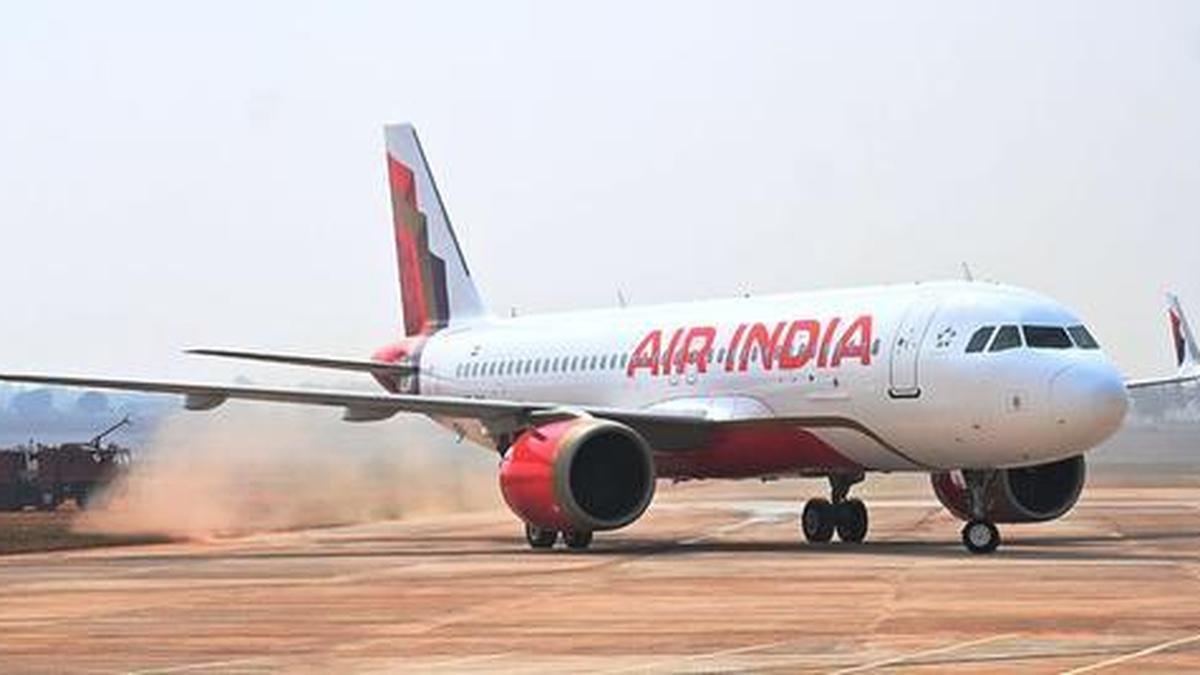
Rising Fuel Costs Spark Airfare Hike: Air India Introduces Fuel Surcharge on Domestic Flights
The Indian aviation industry is set to witness a significant rise in airfares as Air India, the national carrier, has announced its decision to introduce a fuel surcharge on domestic flights. This move comes in response to the recent hike in Aviation Turbine Fuel (ATF) prices, which has substantially increased the operating costs of airlines. As of March 12, all new bookings made on Air India’s domestic flights will attract an additional fuel surcharge of ₹400, making air travel more expensive for passengers.
The decision to levy a fuel surcharge is an attempt by Air India to mitigate the financial impact of rising fuel costs. ATF prices have been consistently increasing over the past few months, putting a strain on the airline’s profitability. The surge in fuel prices has been attributed to various factors, including global demand, geopolitical tensions, and supply chain disruptions. As a result, airlines have been left with no choice but to pass on the increased costs to passengers in the form of fuel surcharges.
The introduction of the fuel surcharge is expected to have a significant impact on the travel plans of passengers, particularly those who had already booked their flights or were planning to do so in the near future. While the ₹400 surcharge may not seem like a substantial amount, it is likely to add up for passengers who frequently travel by air. Furthermore, this move may also prompt other airlines to follow suit, leading to a broader increase in airfares across the industry.
Air India’s decision to introduce a fuel surcharge has sparked concerns among travel enthusiasts and business travelers who rely heavily on air travel. The increased cost of air travel may lead to a decline in demand, particularly among price-sensitive passengers. However, the airline has emphasized that the surcharge is a necessary measure to ensure the sustainability of its operations in the face of rising fuel costs.
In recent years, the Indian aviation industry has experienced rapid growth, with an increasing number of passengers opting for air travel. However, the sector has also faced numerous challenges, including rising fuel costs, infrastructure constraints, and intense competition. The introduction of fuel surcharges is a reminder that the industry is not immune to external factors and that airlines must adapt to changing market conditions to remain viable.
As the Indian government continues to promote the growth of the aviation sector, airlines are under pressure to maintain their profitability while keeping airfares competitive. The introduction of fuel surcharges is a short-term measure to mitigate the impact of rising fuel costs, but it may not be a sustainable solution in the long run. Airlines will need to explore alternative strategies to reduce their dependence on fuel and minimize the impact of price volatility on their operations.
In conclusion, the introduction of a fuel surcharge by Air India marks a significant development in the Indian aviation industry. As air travel becomes more expensive, passengers will be forced to reassess their travel plans and budgets. While the surcharge may be a necessary measure to ensure the sustainability of airlines, it highlights the need for the industry to explore more efficient and cost-effective solutions to mitigate the impact of rising fuel costs. As the sector continues to evolve, it is essential for airlines, policymakers, and other stakeholders to work together to promote the growth of the industry while ensuring that air travel remains accessible and affordable for all.
This article may be prepared with the assistance of artificial intelligence (AI) and is reviewed before publication. While we aim for accuracy and timeliness, readers should verify important facts from official or primary sources. If you believe any information is inaccurate or that any content infringes your rights, please contact ainewsbreaking.com for review and appropriate action.