Rural Tap Water Coverage Jumps from 17% to 82% Since Launch of Jal Jeevan Mission, Says President
Rural Tap Water Connections Rise Sharply Under Jal Jeevan Mission
India has witnessed a dramatic increase in rural household tap water connections since the launch of the Jal Jeevan Mission, with coverage rising from 17 percent in 2019 to around 82 percent today, according to Droupadi Murmu, the President of India.
The President highlighted the achievement while addressing a public event, noting that the government’s flagship water supply initiative has significantly improved access to safe drinking water for millions of rural households across the country.
The Government of India launched the Jal Jeevan Mission in 2019 with the goal of ensuring functional household tap connections for every rural home.
Massive Expansion in Rural Water Supply
When the programme was launched, only about 3.2 crore rural households had access to tap water connections.
Through the implementation of the mission, the number of households receiving piped drinking water has increased dramatically, covering a vast majority of villages across India.
The scheme aims to ensure that every rural household receives adequate and safe drinking water through individual tap connections, reducing dependence on wells, hand pumps, and other traditional water sources.
Officials say the mission represents one of the largest rural water supply programmes in the world.
Focus on Safe Drinking Water
The Jal Jeevan Mission focuses not only on expanding infrastructure but also on improving the quality and sustainability of drinking water sources.
Key features of the programme include:
- Installation of household tap connections in rural homes
- Strengthening village-level water supply infrastructure
- Monitoring water quality regularly
- Community participation in water management
The initiative also emphasizes local governance and community ownership, encouraging village committees to take responsibility for managing water supply systems.
Benefits for Rural Communities
Improved access to piped drinking water has brought several benefits to rural communities, particularly for women and children.
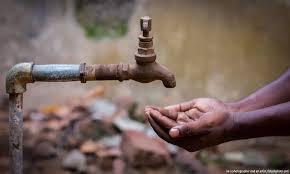
Earlier, many families had to travel long distances to collect water from wells, hand pumps, or nearby water bodies.
With tap connections at home, households now save significant time and effort, which can be redirected toward education, employment, and other productive activities.
The programme has also contributed to better hygiene and sanitation practices, helping reduce water-borne diseases in many areas.
Role of States and Local Bodies
While the central government provides policy support and funding, state governments and local bodies play a crucial role in implementing the scheme.
State authorities oversee the construction of pipelines, water treatment facilities, and distribution networks in rural areas.
Village-level committees are also involved in maintaining infrastructure and ensuring sustainable water use.
The collaborative approach between central, state, and local institutions has been key to the mission’s rapid progress.
Challenges and Future Goals
Despite the significant achievements, officials acknowledge that several challenges remain.
These include:
- Ensuring consistent water supply in drought-prone areas
- Maintaining infrastructure in remote villages
- Monitoring water quality regularly
- Ensuring sustainable water sources
The government continues to work on strengthening systems to ensure that the newly established tap connections remain functional in the long term.
Jal Jeevan Mission’s Long-Term Impact
Experts believe that the expansion of rural tap water connections can have far-reaching impacts on public health, economic productivity, and rural development.
Access to safe drinking water is considered a fundamental requirement for improving living standards and supporting sustainable growth in rural areas.
The progress reported under the Jal Jeevan Mission reflects India’s broader efforts to improve infrastructure and basic services in rural communities.
This article may be prepared with the assistance of artificial intelligence (AI) and is reviewed before publication. While we aim for accuracy and timeliness, readers should verify important facts from official or primary sources. If you believe any information is inaccurate or that any content infringes your rights, please contact ainewsbreaking.com for review and appropriate action.