Russian Strike on Ukrainian Hydropower Plant Triggers Moldova Water Crisis, Leaving Thousands Without Supply
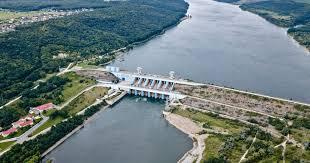
Thousands of people in Moldova have been left without running water after a Russian strike on a hydropower plant in neighboring Ukraine caused pollution in the Dniester River, one of Moldova’s most important water sources. Moldovan authorities say the attack on Ukraine’s Novodnistrovsk hydropower plant on March 7 triggered an oil spill that contaminated the river system and forced water supplies to be cut in several towns, including Balti, one of the country’s largest cities.
The disruption quickly turned into a serious public health and environmental emergency. Reuters reported that around 90,000 people were affected after water was cut completely in Balti and three other towns, while AP described the wider impact as leaving tens of thousands without water in a country where the Dniester supplies about 80 percent of Moldova’s 2.5 million citizens. That made the contamination far more than a local utility issue; it became a national crisis for an EU candidate country already living in the shadow of the war in neighboring Ukraine.
Moldovan President Maia Sandu directly blamed Russia for the crisis, saying the strike on the Ukrainian facility polluted the Dniester and threatened Moldova’s water security. Her government responded by declaring a 15-day environmental alert, restricting water use and mobilizing emergency support to help communities suddenly left without safe supply. Moldova also summoned Russia’s ambassador in protest, escalating the diplomatic fallout from the incident.
The hardest-hit area has been Balti, described by Reuters as Moldova’s second-largest city and by AP as one of the country’s biggest urban centers. Schools in affected areas were closed or shifted online, while authorities and the military were deployed to distribute drinking water by tanker. The speed of the emergency response underlined how dependent Moldova is on the Dniester and how vulnerable essential services remain to spillover from Russia’s war on Ukraine.
Officials say the pollution was caused by oil released after the strike damaged the hydropower infrastructure. While authorities have confirmed contamination in the river, monitoring teams have continued to test the water to determine when supply can be safely restored. AP reported that some early tests showed improvement, raising cautious hopes that restrictions could be eased, though officials also warned that pollution levels may still fluctuate as contaminated water moves downstream.
The incident has also raised broader questions about environmental warfare and regional security. What happened in Moldova shows how attacks on Ukrainian infrastructure can ripple across borders and hit civilian life in neighboring countries that are not themselves battlefields. A strike on a power facility in Ukraine ended up disrupting drinking water access in Moldova, demonstrating how interconnected energy systems, waterways and public infrastructure are in Eastern Europe.
Romania has sent aid and equipment to help Moldova deal with the contamination, according to AP, while the European Union has expressed solidarity and support. That outside assistance is important, but the crisis still exposes how fragile Moldova’s infrastructure security can be when conflict next door spills into shared natural resources.
Russia has denied responsibility, saying there is insufficient evidence tying it to the pollution. But for Moldova’s leadership, the link is clear: a Russian attack on Ukrainian hydropower infrastructure caused an oil spill, polluted the Dniester and left thousands of Moldovans without water. As of March 19, 2026, the crisis stands as one of the clearest examples of how the war in Ukraine is producing cross-border humanitarian and environmental consequences far beyond the front lines.
This article may be prepared with the assistance of artificial intelligence (AI) and is reviewed before publication. While we aim for accuracy and timeliness, readers should verify important facts from official or primary sources. If you believe any information is inaccurate or that any content infringes your rights, please contact ainewsbreaking.com for review and appropriate action.