Russia’s Internet Blackout Escalates, Strangling Russians from Global Connectivity
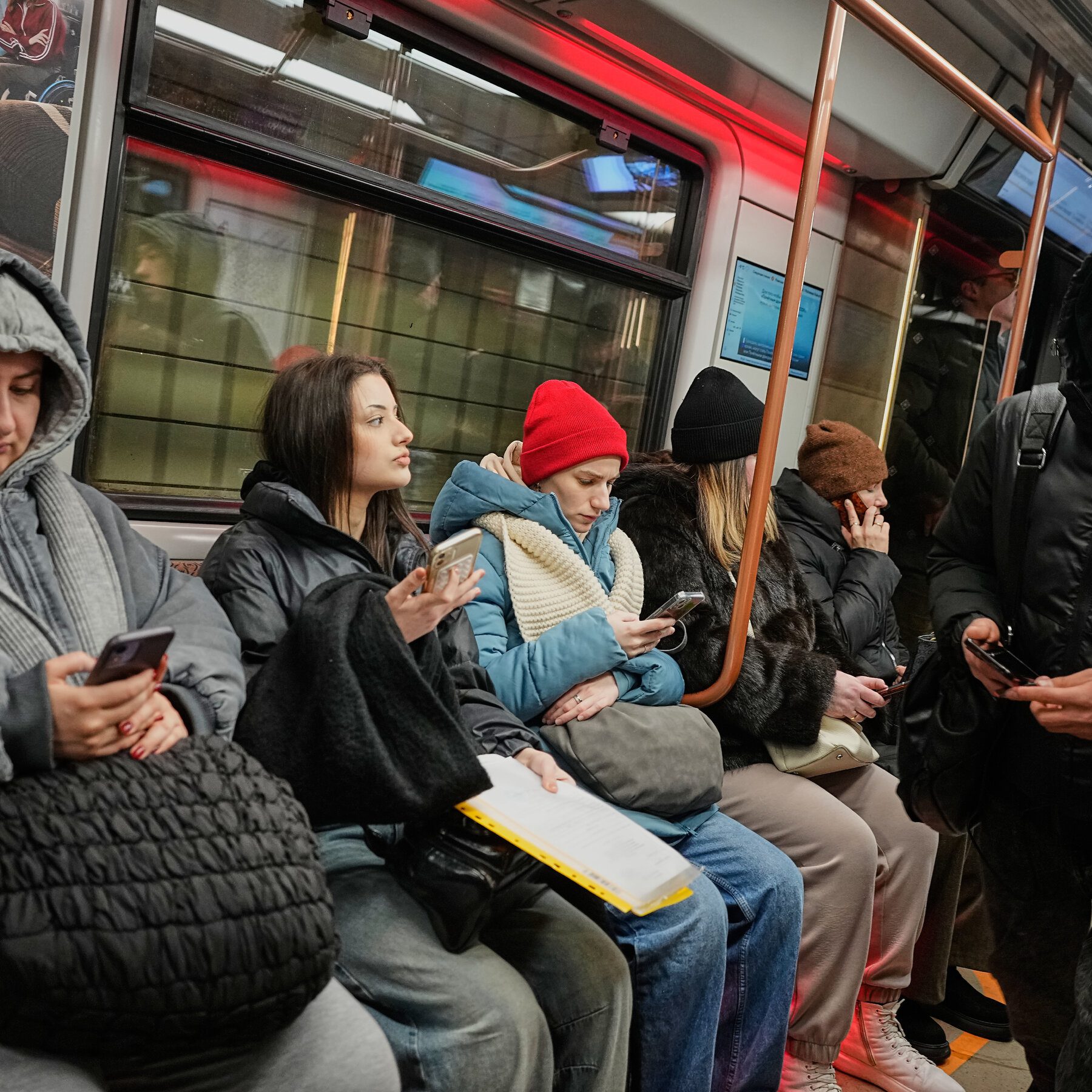
Russian President Vladimir V. Putin’s push to exert unprecedented control over his country’s online presence has entered a chaotic new phase, with widespread outages and blockages that are isolating millions from the global digital landscape. This drastic move threatens the lives of ordinary Russians, particularly those dependent on online services and information.
Over the past few weeks, reports have emerged of significant disruptions to internet services across various regions in Russia, affecting millions of citizens and businesses. Independent news outlets and online platforms have borne the brunt of these restrictions, sparking fears that the Kremlin is systematically suffocating Russia’s already limited online freedoms. Internet watchdog groups and international human rights organizations have condemned the escalating situation, warning that it risks causing long-term economic and social harm.
Russia’s internet blackout began taking shape in 2019, when Putin passed a law requiring internet traffic passing through Russia to be routed through domestic servers. This law was designed to give the state greater oversight of online communications, but it has been used to block access to numerous popular websites, including those belonging to prominent news organizations. The Russian government has justified these actions as necessary for national security and protection from foreign interference.
Since then, reports of widespread outages have become increasingly common. Many major internet service providers (ISPs) have complained of difficulties connecting to international networks, citing bureaucratic obstacles, equipment failures, and cyberattacks. In response to the growing crisis, prominent online services such as Google and Facebook have taken steps to safeguard their users’ data, but these measures have only added to the uncertainty and frustration among affected communities.
As tensions escalate, many experts fear that Russia’s already struggling economy will suffer from a lack of connectivity. The country’s digital sector, particularly in areas like e-commerce, healthcare, and education, relies heavily on seamless internet connections. The loss of these services will likely exacerbate existing poverty and inequality in Russia, pushing the country further away from its integration into the global digital society.
Amid this backdrop of escalating internet turmoil, concerns over potential social unrest are growing. Social media has become a vital lifeline for many Russians, providing a way to circumvent state-controlled media outlets and access unbiased information. As access to these critical resources becomes increasingly difficult, authorities risk fuelling widespread dissent and opposition among an already disgruntled population.
In light of these events, human rights organizations and experts are urging Russia’s government to roll back the restrictions and respect its citizens
This article may be prepared with the assistance of artificial intelligence (AI) and is reviewed before publication. While we aim for accuracy and timeliness, readers should verify important facts from official or primary sources. If you believe any information is inaccurate or that any content infringes your rights, please contact ainewsbreaking.com for review and appropriate action.