
Russia’s Oil Deliveries Spark Shift in US Cuba Policy
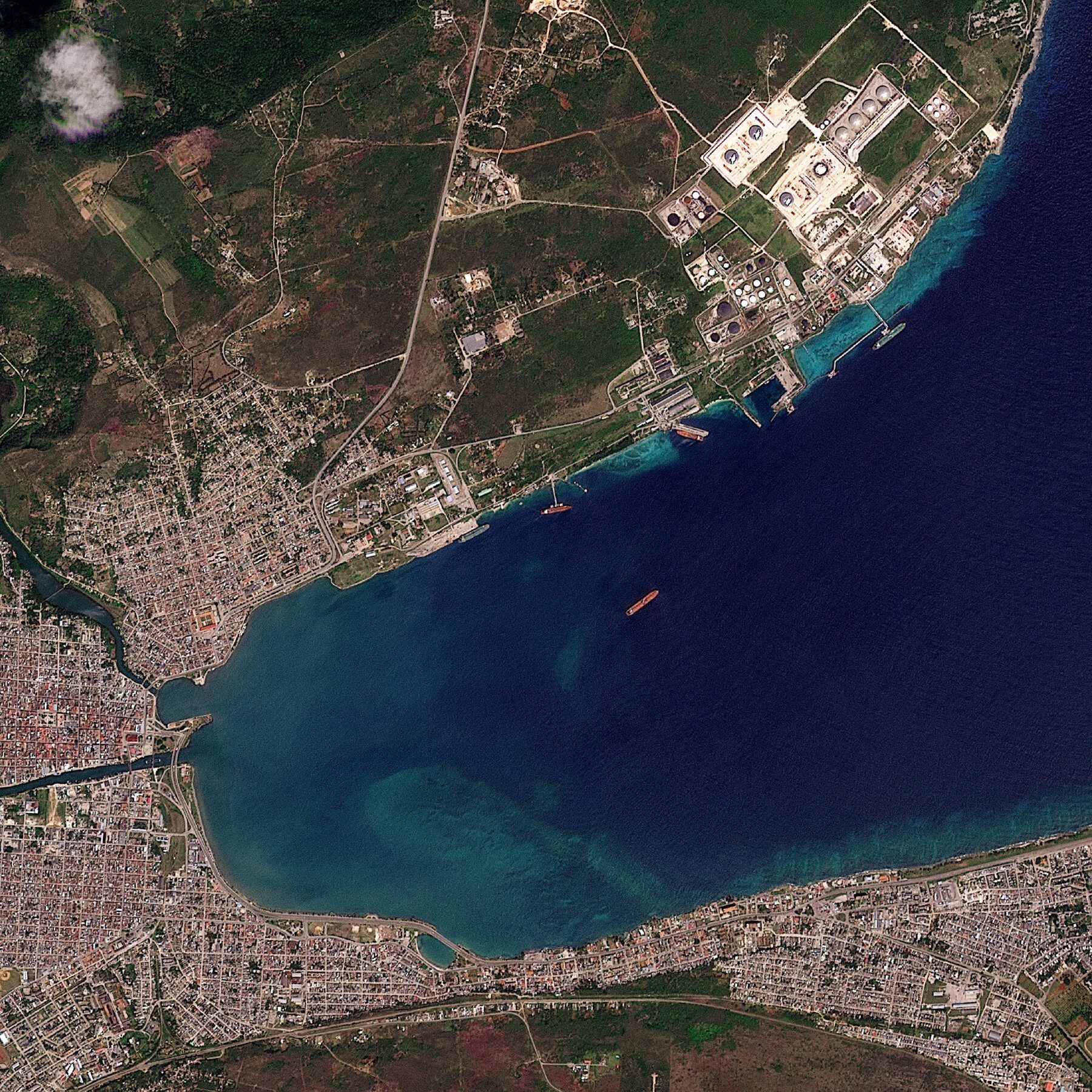
A Russian oil tanker has navigated through a US-implaced blockade around Cuba, marking a significant pivot in Washington’s approach to isolating the island nation. The ship’s arrival brings much-needed fuel to Cuba, sparking questions about the reasons behind the policy shift.
The US has historically aimed to limit Cuba’s access to oil shipments as part of its efforts to pressure the communist government to adopt democratic reforms. However, the recent delivery suggests a change of course in US policy. Details about the tanker’s cargo and its destination in Cuba were not immediately available from the US State Department.
US officials reportedly declined to comment on the matter, citing ongoing diplomatic efforts between the two nations. However, sources suggest that the shift may be a response to ongoing humanitarian concerns in Cuba. Fuel shortages have plagued the island nation in recent years, affecting basic services such as electricity and healthcare.
Cuba’s reliance on Russian oil has not gone unnoticed in Washington, with some critics arguing that the delivery strengthens the country’s ties with a key adversary. Nevertheless, analysts note that the move may also have implications for diplomatic engagement with Cuba, including potential future trade negotiations.
The development is likely to fuel ongoing discussions about the effectiveness of the US blockade, which has been in place since the 1960s. Many have questioned its efficacy, particularly during times of humanitarian crisis. As the international community increasingly pushes for greater economic openness, the shift in US policy hints at a possible recalibration of Washington’s stance.
For now, experts speculate that the delivery is the first sign of a more nuanced approach to Cuba policy, but details are scarce and more information is expected in the coming weeks and months. The US State Department has declined further comment on the matter, citing ongoing diplomatic efforts.
This article may be prepared with the assistance of artificial intelligence (AI) and is reviewed before publication. While we aim for accuracy and timeliness, readers should verify important facts from official or primary sources. If you believe any information is inaccurate or that any content infringes your rights, please contact ainewsbreaking.com for review and appropriate action.