S Jaishankar’s Diplomatic Push Helps India-Flagged Tankers Pass Safely Through Strait of Hormuz Amid Iran Conflict
Jaishankar’s Intervention Helps Secure Hormuz Passage for Indian Tankers
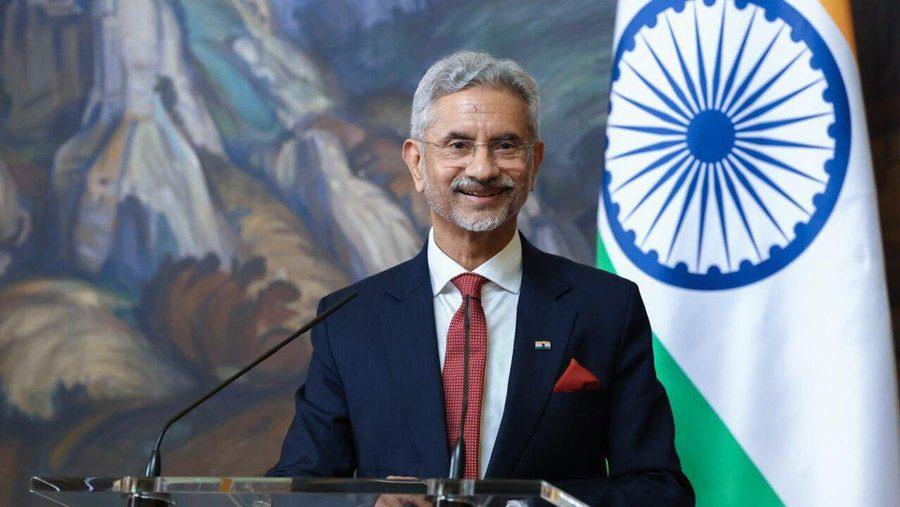
In a major relief for India amid escalating tensions in West Asia and a worsening global energy crisis, Iran has allowed India-flagged oil tankers to safely pass through the strategically vital Strait of Hormuz. The development reportedly came after diplomatic intervention by India’s External Affairs Minister Subrahmanyam Jaishankar, who held direct discussions with Iranian leadership to ensure the safety of Indian shipping and energy supplies.
The move is being seen as a significant diplomatic success for New Delhi at a time when maritime traffic through the Gulf has been severely disrupted due to attacks on commercial vessels and heightened military tensions in the region. (www.ndtv.com)
Iran’s decision to allow Indian vessels to pass safely has helped prevent immediate disruptions to India’s oil supply chain, which heavily depends on shipments passing through the narrow maritime corridor.
Strait of Hormuz: A Lifeline for Global Oil
The Strait of Hormuz is one of the most critical maritime chokepoints in the world. Nearly 20% of global oil shipments move through this narrow waterway connecting the Persian Gulf to the Arabian Sea.
For India, the strait is even more crucial. Around half of India’s crude oil imports originate from the Gulf region, making uninterrupted shipping through Hormuz essential for the country’s energy security.
However, the ongoing conflict involving Iran, the United States, and regional allies has severely disrupted shipping in the region. Several vessels have been attacked using projectiles, explosive boats, and suspected sea mines, raising fears of a broader maritime crisis. (Reuters)
As tensions escalated, many commercial ships halted operations or avoided the route entirely, causing tanker traffic through the strait to fall dramatically.
Diplomatic Talks Between India and Iran
Amid these developments, Subrahmanyam Jaishankar reportedly held multiple conversations with Iran’s foreign minister to discuss the safety of Indian ships navigating the region.
These diplomatic contacts focused on ensuring that India-flagged vessels and ships carrying Indian cargo would not be targeted amid the ongoing conflict.
Following the talks, Iran reportedly provided assurances that Indian tankers would be allowed safe passage through the Strait of Hormuz despite restrictions placed on vessels from other countries involved in the conflict.
According to reports, at least two Indian tankers were able to transit the strait safely under these arrangements. (The Economic Times)
The development demonstrates India’s ability to maintain communication channels with multiple parties in a complex geopolitical environment.
Rising Threats to Shipping in the Gulf
The diplomatic intervention came at a time when maritime security in the Gulf has deteriorated rapidly.
Recent attacks on commercial ships in the region include:
- Oil tankers struck by explosive-laden boats
- Cargo vessels hit by projectiles
- Suspected naval drone attacks
- Reports of sea mines threatening shipping routes
In one of the most serious incidents, several ships were damaged and fires broke out after attacks near Gulf waters and the Strait of Hormuz. (Reuters)
These incidents have turned commercial vessels into frontline casualties of the broader regional conflict.
India’s Energy Security at Stake
India is the world’s third-largest oil importer, and disruptions in the Strait of Hormuz could significantly affect its economy.
Key risks include:
- Oil Supply Disruptions
If tanker traffic through Hormuz is blocked, India could face difficulties securing crude oil shipments from Gulf producers. - Rising Energy Prices
Reduced supply typically pushes global oil prices higher, which can increase fuel costs domestically. - Economic Impact
Higher fuel prices can contribute to inflation and affect multiple sectors including transportation, manufacturing, and power generation.
Ensuring uninterrupted access to shipping routes has therefore become a top priority for the Indian government.
India’s Neutral Diplomatic Strategy
India has adopted a carefully balanced diplomatic approach during the ongoing West Asia conflict.
New Delhi has avoided taking sides while maintaining communication with all major players involved in the crisis. Instead, India has emphasized dialogue, de-escalation, and protection of international shipping routes.
Foreign policy experts say this neutral stance allows India to continue engaging with multiple countries simultaneously while protecting its strategic interests.
This diplomatic flexibility may have played a key role in securing safe passage for Indian tankers through the Strait of Hormuz.
Possible Naval Measures
While diplomatic efforts have helped temporarily secure the route, Indian authorities are also considering additional security measures.
Reports suggest India is examining the possibility of deploying naval escorts for commercial ships traveling through the Gulf if the situation deteriorates further.
The Indian Navy has previously conducted anti-piracy and maritime security missions in the Arabian Sea and the Gulf of Aden, demonstrating its capability to protect merchant vessels.
Such measures could become necessary if attacks on shipping increase or if the Strait of Hormuz faces prolonged disruptions.
Global Oil Markets Watching Closely
Energy markets around the world are closely monitoring developments in the Gulf.
Even minor disruptions in the Strait of Hormuz can trigger sharp fluctuations in global oil prices because of the massive volume of crude transported through the route.
Analysts warn that a prolonged shutdown of the strait could lead to:
- Major supply shortages
- Higher fuel prices worldwide
- Increased volatility in energy markets
- Economic pressure on oil-importing countries
For India, securing stable energy supplies remains essential to maintaining economic stability.
Strategic Importance of India-Iran Relations
India has historically maintained strong ties with Iran, particularly in areas such as energy cooperation, trade, and regional connectivity.
Iran has been an important supplier of crude oil to India in the past, and the two countries have collaborated on infrastructure projects including the development of the Chabahar Port, which serves as a strategic gateway for trade with Afghanistan and Central Asia.
Although geopolitical pressures have occasionally complicated these relations, diplomatic engagement between the two nations remains active.
The recent cooperation over tanker passage highlights the importance of maintaining open communication channels during times of crisis.
What Happens Next
Despite the temporary relief for India, the broader situation in the Gulf remains volatile.
Shipping disruptions continue to affect international trade, and several countries are considering security measures to protect vessels navigating the region.
Much will depend on whether tensions between Iran and its adversaries escalate further or move toward diplomatic resolution.
For now, India’s successful diplomatic intervention has helped secure an important corridor for its energy supplies.
This article may be prepared with the assistance of artificial intelligence (AI) and is reviewed before publication. While we aim for accuracy and timeliness, readers should verify important facts from official or primary sources. If you believe any information is inaccurate or that any content infringes your rights, please contact ainewsbreaking.com for review and appropriate action.