India’s Sabarimala Temple Dispute Takes Center Stage as Law Ministry Challenges Supreme Court Verdict
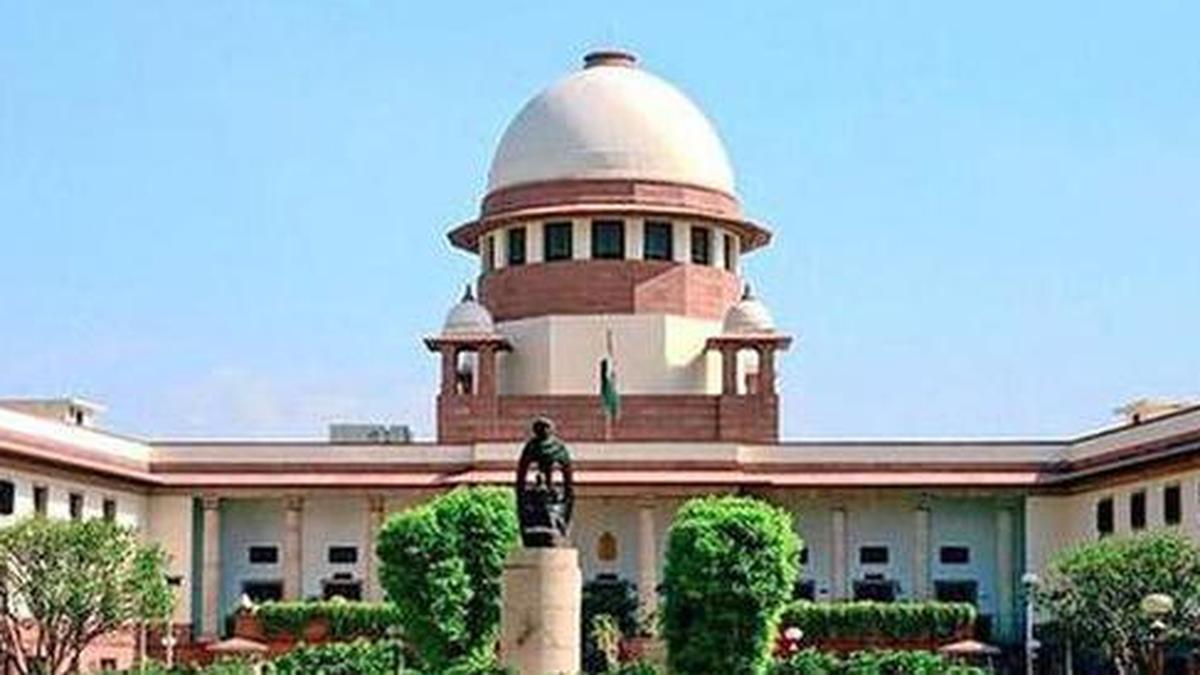
The Sabarimala temple dispute has taken a significant turn, with the Law Minister arguing that the Supreme Court’s 2018 verdict allowing women of menstruating age to enter the Ayyappa temple has compromised the diversity of Hinduism. During a recent Supreme Court hearing, the Law Minister made this statement, which is seen as a strong pushback against the court’s earlier ruling. The hearing was part of the ongoing review of the 2018 judgment, which sparked fierce resistance from conservative groups.
The Supreme Court’s 2018 verdict had ruled that women between the ages of 10 and 50 could enter the Sabarimala temple, citing that the exclusion of women was unconstitutional. However, the Central government has since claimed that the court’s decision interfered with the rights of the Hindu community to preserve their traditions. This stance has put the government at odds with the Supreme Court, highlighting the complex debate over the limits of judicial power and the role of legislatures in shaping social policy.
The Law Ministry’s argument is likely to reignite debates over the balance between equality and justice, and the preservation of cultural and religious traditions. While some argue that the court’s decision was necessary to ensure equality, others see it as an attack on deeply held traditions. The dispute over the Sabarimala temple has been ongoing for years, with the court’s 2018 verdict marking a major turning point in the narrative around women’s rights and equality in India.
The Supreme Court is yet to issue its formal verdict on the review petitions, and the case is expected to be closely watched. The implications of the verdict will be significant, with potential consequences for the future of social reform in India. As the case continues to unfold, key questions remain about the balance between constitutional rights and cultural and religious traditions.
The Law Minister’s comments are part of a broader attempt to redefine the government’s stance on the issue. In a 2020 affidavit, the Central government had already expressed its concerns over the court’s decision, claiming that it was an interference in the rights of the Hindu community. The ongoing dispute has highlighted the complexities of social reform in India, where the preservation of cultural traditions often clashes with the pursuit of equality and justice.
The Supreme Court’s decision to review its 2018 verdict has given new hope to those who oppose the entry of women into the Sabarimala temple. However, others see the review as an opportunity to reaffirm the principles of equality and justice that underpin the Indian Constitution. As the case moves forward, it is likely to remain a contentious issue, with significant implications for the future of social reform in India.
The Sabarimala temple dispute has sparked a national conversation about the role of the judiciary in shaping social policy. The case has raised important questions about the limits of judicial power and the balance between constitutional rights and cultural traditions. As the Supreme Court considers the review petitions, its verdict will be closely watched, and its implications will be felt across India.
This article may be prepared with the assistance of artificial intelligence (AI) and is reviewed before publication. While we aim for accuracy and timeliness, readers should verify important facts from official or primary sources. If you believe any information is inaccurate or that any content infringes your rights, please contact ainewsbreaking.com for review and appropriate action.