Saudi Arabia Expels Iranian Diplomats, Signals Tough Diplomatic and Military Stance Amid Escalating Middle East Crisis
Saudi Arabia has taken decisive diplomatic action against Iran, dramatically escalating tensions in the Middle East as the ongoing regional conflict intensifies. In a bold move that underscores the rapidly deteriorating relationship between the two regional powers, Riyadh has expelled multiple Iranian diplomats, including senior military officials, while warning of further consequences if Tehran’s actions continue.
Diplomatic Breakdown: Expulsion of Iranian Officials
The Saudi government ordered Iran’s military attaché, his assistant, and several embassy staff members to leave the country within 24 hours. This decision was framed as a direct response to what Riyadh described as repeated violations of its sovereignty and security through missile and drone attacks.
Officials in Saudi Arabia emphasized that these actions by Iran targeted not only military installations but also civilian infrastructure, economic assets, and even diplomatic premises. Such actions, according to the Saudi Foreign Ministry, constitute clear violations of international law and diplomatic norms.
This expulsion marks one of the most serious diplomatic confrontations between the two nations since they restored relations in 2023 after years of hostility. The renewed tensions suggest that the fragile rapprochement has effectively collapsed under the strain of ongoing military developments.
Rising Military Threats and Strategic Warnings
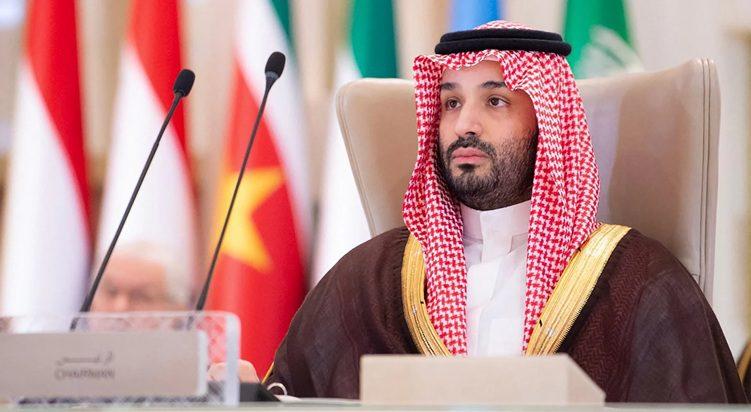
Saudi Arabia has not limited its response to diplomatic measures alone. Senior officials have made it clear that the kingdom reserves the right to respond militarily if necessary. The Saudi foreign minister stated that trust in Iran has been “completely shattered,” signaling a shift toward a more aggressive posture.
The warning comes amid a broader wave of Iranian missile and drone attacks targeting Gulf countries, including Saudi Arabia. While many of these attacks have reportedly been intercepted, they have heightened fears of a wider regional war.
In recent weeks, Iranian strikes have targeted key locations such as oil refineries, airports, and even foreign embassies in Saudi Arabia. These attacks form part of a larger pattern of escalation linked to the ongoing conflict involving Iran, the United States, and Israel.
Saudi Arabia has reiterated its right to self-defense under Article 51 of the United Nations Charter, signaling that it may respond forcefully if attacks persist.
Regional Conflict Intensifies
The diplomatic clash between Saudi Arabia and Iran is unfolding within the context of a broader Middle East crisis that has drawn in multiple countries. The conflict escalated significantly after Israeli strikes on Iran’s critical energy infrastructure, including the massive South Pars gas field.
In retaliation, Iran launched missile and drone attacks across the Gulf region, targeting energy facilities in Saudi Arabia, the United Arab Emirates, and Qatar. These attacks have not only heightened geopolitical tensions but also disrupted global energy markets.
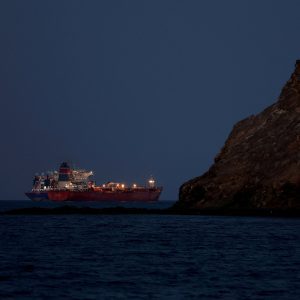
Oil prices have surged amid fears of supply disruptions, particularly as the Strait of Hormuz—a crucial global oil transit route—faces potential closure or restricted access due to the conflict.
Economic and Global Implications
The Saudi-Iran confrontation is not just a regional issue; it carries significant global consequences. The Middle East accounts for a substantial portion of the world’s oil supply, and any disruption in the region has immediate ripple effects on global markets.
Recent attacks on oil infrastructure, including refineries and export facilities, have already caused temporary shutdowns and rerouting of shipments. For instance, drone attacks on key Saudi oil facilities led to operational halts and forced adjustments in export strategies.
These disruptions have pushed oil prices above $100 per barrel, raising concerns about inflation and energy security worldwide.
Additionally, the conflict has triggered widespread disruptions in shipping routes and aviation, with thousands of flights canceled and maritime traffic affected due to security concerns.
International Reactions and Strategic Alliances
The escalating crisis has drawn strong reactions from global powers and regional allies. The United Nations Security Council recently adopted a resolution condemning Iran’s attacks on Gulf states, highlighting the seriousness of the situation.
Saudi Arabia’s strategic partnerships are also coming into focus. The kingdom’s defense agreement with Pakistan, signed in 2025, includes provisions for mutual response in case of aggression, raising the possibility of broader involvement if the conflict escalates further.
Meanwhile, Western nations, including the United States and the United Kingdom, have condemned Iran’s actions and increased their military presence in the region to protect strategic interests and ensure maritime security.
Fragile Gulf Stability at Risk
The Gulf region now faces a precarious situation, with multiple countries caught in a delicate balance between avoiding direct conflict and responding to Iranian aggression. While nations like Saudi Arabia and the UAE have issued strong warnings, they are also wary of being drawn into a full-scale war.
Experts describe the situation as a “diplomatic bind,” where Gulf states must weigh the risks of escalation against the need to protect their sovereignty and economic interests.
The expulsion of Iranian diplomats by Saudi Arabia is a clear indication that diplomatic channels are rapidly closing, increasing the likelihood of further confrontation.
Humanitarian and Security Concerns
Beyond geopolitics and economics, the conflict is also raising serious humanitarian concerns. Continued missile and drone attacks pose risks to civilian populations, while disruptions in energy supplies and trade routes could have far-reaching consequences for global stability.
The broader conflict has already resulted in casualties across multiple countries, with infrastructure damage and displacement adding to the crisis.
What Lies Ahead?
Saudi Arabia’s diplomatic action against Iran marks a critical turning point in the ongoing Middle East crisis. The expulsion of diplomats, combined with strong military warnings, signals a shift toward a more confrontational approach.
If Iran continues its current trajectory, the region could see further escalation, potentially drawing in additional countries and leading to a wider conflict.
At the same time, the breakdown of diplomatic relations reduces the chances of immediate de-escalation, making the situation increasingly volatile.
This article may be prepared with the assistance of artificial intelligence (AI) and is reviewed before publication. While we aim for accuracy and timeliness, readers should verify important facts from official or primary sources. If you believe any information is inaccurate or that any content infringes your rights, please contact ainewsbreaking.com for review and appropriate action.