
Saudi Arabia Warns It “Reserves Right” to Respond After Iran Attacks as US-Iran War Escalates
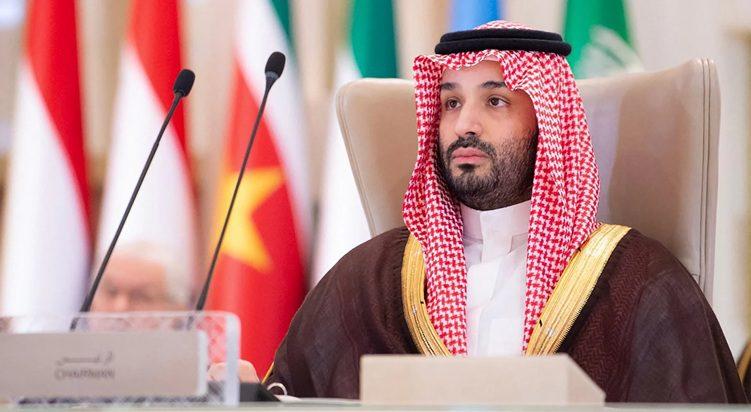
Saudi Arabia has issued a sharp warning amid the fast-worsening US-Iran war, saying it reserves the right to respond after Iranian attacks hit targets in the Gulf. The statement marks one of Riyadh’s strongest signals yet that the conflict could widen further across the region.
According to Reuters, Saudi Foreign Minister Prince Faisal bin Farhan said the kingdom could take military action after Iranian ballistic missile attacks targeted Riyadh. He also said Iran’s actions had severely damaged trust, even after the two countries restored diplomatic relations in 2023.
The warning comes as the regional crisis deepens following attacks on major energy infrastructure. Iran accused Israel of striking facilities linked to the South Pars gas field, one of the world’s most important gas reserves. Tehran then retaliated with missile and drone attacks on Gulf energy sites, including in Saudi Arabia, Qatar and the UAE, sharply escalating fears of a broader regional war.
Reuters also reported that Saudi Arabia hosted Arab and Islamic foreign ministers in Riyadh to discuss the conflict and ways to support regional security and stability. The meeting underlined the growing concern among Gulf and regional states that the war is no longer confined to Iran, Israel and the United States, but is now directly threatening neighboring countries and critical energy routes.
The energy fallout has become one of the most serious consequences of the conflict so far. Attacks on South Pars in Iran and Ras Laffan in Qatar have rattled global markets, with fears of prolonged disruption to oil and LNG supply. Reuters said the strikes and threats around Gulf energy installations have pushed oil prices sharply higher and intensified concerns about the Strait of Hormuz and alternative export routes.
A separate Reuters report said President Donald Trump stated Israel would not strike Iran’s South Pars gas field again unless Iran retaliates further, even as the wider conflict continued to spread across the Gulf. That report also said Iranian retaliatory strikes caused damage in Qatar and Saudi Arabia, adding to the sense that the war has entered a more dangerous phase with civilian infrastructure and energy assets increasingly at risk.
AP reported that the South Pars attack was especially significant because the field is central to Iran’s domestic gas supply, while the shared reservoir on Qatar’s side underpins a large part of global LNG exports. Any sustained disruption there could have consequences far beyond the Middle East, affecting energy prices, shipping and economic stability worldwide.
In practical terms, Saudi Arabia’s latest statement is important for three reasons. First, it signals that Riyadh may no longer limit itself to diplomatic condemnation if more attacks occur. Second, it shows Gulf states are increasingly viewing the conflict as a direct threat to their own security. Third, it raises the risk that the war could expand into a wider Gulf confrontation involving multiple regional powers. These are inferences based on the reported Saudi position, the Riyadh ministerial meeting, and the pattern of attacks on Gulf infrastructure.
For now, the immediate picture is clear: Saudi Arabia has hardened its tone, Iran’s confrontation with the US-Israel axis is spilling across Gulf borders, and the region’s energy lifelines are under growing pressure. With missiles, drones and warnings now reaching key capitals and industrial hubs, the possibility of further escalation remains high.
This article may be prepared with the assistance of artificial intelligence (AI) and is reviewed before publication. While we aim for accuracy and timeliness, readers should verify important facts from official or primary sources. If you believe any information is inaccurate or that any content infringes your rights, please contact ainewsbreaking.com for review and appropriate action.