Sensex Surges Over 640 Points, Nifty Crosses 24,250 as Falling Crude Oil Prices Trigger Strong Market Rebound
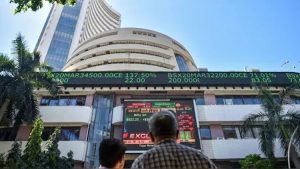
Indian equity markets witnessed a strong recovery on March 10, 2026, with benchmark indices rebounding sharply after recent losses. The BSE Sensex surged by more than 640 points, while the NSE Nifty 50 closed above the 24,250 mark, signaling renewed investor confidence in Dalal Street. The rally was driven primarily by easing geopolitical tensions in West Asia, a sharp decline in crude oil prices, and positive cues from global markets.
The rebound came after a volatile trading period triggered by fears of escalating conflict in the Middle East that had pushed crude oil prices above $100 per barrel earlier, causing heavy selling in equities. However, the situation improved as crude oil prices corrected and global markets showed signs of stability.
Relief Rally After Two Days of Losses
Indian markets had experienced significant pressure earlier as investors reacted to geopolitical tensions and rising oil prices. Panic selling had pushed benchmark indices sharply lower, causing investor wealth erosion. The surge in crude oil prices had raised concerns about inflation, the current account deficit, and the broader economic outlook for India.
However, markets staged a powerful comeback on Tuesday, ending a two-day losing streak. Analysts described the move as a “relief rally” fueled by improving global sentiment and declining oil prices.
The rally lifted the Sensex by over 640 points, while the Nifty climbed above 24,250, reflecting nearly a one-percent gain during the session.
Key Factors Driving the Market Rally
Several important developments contributed to the strong rebound in the Indian stock market.
1. Decline in Crude Oil Prices
One of the biggest triggers behind the rally was the sharp drop in crude oil prices. After briefly surging due to geopolitical tensions, Brent crude prices declined significantly, easing concerns about inflation and energy costs.
Lower oil prices are especially beneficial for India because the country imports a large portion of its energy needs. Reduced crude prices improve the country’s trade balance and help contain inflationary pressures.
2. Easing Geopolitical Tensions
Investor sentiment improved after remarks suggesting that the ongoing conflict in the Middle East might not escalate further. This reduced fears of supply disruptions in global oil markets and helped stabilize risk sentiment worldwide.
Markets often react strongly to geopolitical developments, and the prospect of de-escalation boosted investor confidence across global equities.
3. Positive Global Market Cues
Another key factor supporting the rally was the improvement in global markets. Asian indices and Wall Street futures showed signs of recovery, providing a favorable backdrop for Indian equities.
Global investors tend to react quickly to international developments, and a positive global outlook typically encourages buying in emerging markets such as India.
4. Institutional Buying Support
Domestic institutional investors played an important role in stabilizing markets during the volatile phase. Even when foreign investors sold shares amid global uncertainty, domestic investors stepped in to buy equities, preventing deeper losses and laying the foundation for the rebound.
Banking and Financial Stocks Lead the Gains
Banking and financial stocks were among the biggest contributors to the market rally.
Major lenders recovered strongly after recent declines, reflecting renewed confidence among investors. Banking stocks often have a significant weight in benchmark indices like the Sensex and Nifty, so their movement plays a crucial role in overall market direction.
According to market reports, HDFC Bank and ICICI Bank shares rose notably, helping lift the broader indices during the session.
Aviation and Paint Stocks See Strong Buying
Several sectoral stocks that are sensitive to crude oil prices witnessed sharp gains during the rally.
Companies in sectors such as aviation and paints tend to benefit when oil prices fall because fuel and raw materials become cheaper. As crude oil prices declined, investors bought shares in these sectors aggressively.
For instance:
- InterGlobe Aviation (IndiGo) recorded strong gains.
- Asian Paints also rose significantly as input cost concerns eased.
These gains reflected expectations that lower energy costs could improve profitability for companies in these industries.
Technology and Metal Stocks Show Mixed Performance
While many sectors posted gains, some technology and metal stocks showed mixed performance during the session.
For example, certain IT stocks traded cautiously due to concerns about global demand and currency fluctuations. Meanwhile, metal stocks moved higher as investors expected improving economic conditions.
Shares of Tata Steel advanced during the session and outperformed the broader market.
Similarly, Wipro also registered gains amid the broader market rally, although trading volumes remained relatively low.
Broader Markets Also Participate in the Rally
The rebound was not limited to benchmark indices alone. Broader markets also joined the rally, with mid-cap and small-cap stocks recording strong gains.
Market participants interpreted the rally as a sign that investor confidence was returning after the recent selloff. Analysts noted that buying was visible across several sectors, indicating broad-based market participation.
Impact on Investor Sentiment
The sharp recovery helped restore confidence among investors who had been worried about the impact of geopolitical tensions and rising energy prices.
A stable or declining crude oil price is particularly important for the Indian economy because:
- India imports nearly 85% of its crude oil requirements.
- Higher oil prices increase inflation.
- Rising energy costs can weaken the rupee and widen the current account deficit.
The fall in oil prices therefore significantly improved the outlook for the Indian economy and financial markets.
Currency and Bond Market Trends
The rally in equities was accompanied by improvements in other financial indicators.
The Indian rupee showed signs of recovery, and bond yields softened slightly, indicating easing financial conditions in the market. These factors further supported investor optimism and encouraged buying in equities.
Volatility Remains a Concern
Despite the rally, analysts warned that volatility could remain high in the near term.
The India VIX, a measure of market volatility, remained elevated, suggesting that investors are still cautious about global developments and geopolitical risks.
Markets may continue to react sharply to news related to:
- Geopolitical developments in West Asia
- Movements in crude oil prices
- Global economic data
- Monetary policy decisions in major economies
This article may be prepared with the assistance of artificial intelligence (AI) and is reviewed before publication. While we aim for accuracy and timeliness, readers should verify important facts from official or primary sources. If you believe any information is inaccurate or that any content infringes your rights, please contact ainewsbreaking.com for review and appropriate action.