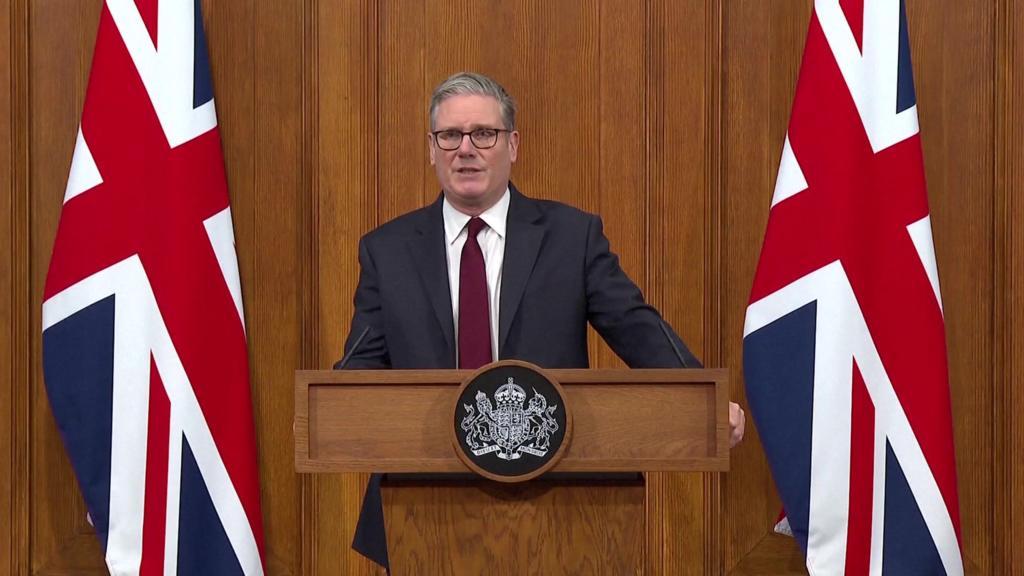
Starmer Warns Iran and Ukraine Wars Could Redefine Global Order for a Generation Amid Rising Cost-of-Living Fears
UK Prime Minister Keir Starmer has issued a stark warning that the ongoing wars in Iran and Ukraine could fundamentally reshape the global order and leave a lasting impact that may “define us for a generation.” His remarks come at a time of escalating geopolitical tensions and growing anxiety among citizens over the economic fallout, particularly the rising cost of living.
Speaking during a visit to a school in London, Starmer acknowledged the deep concerns among ordinary people about how international conflicts are affecting their daily lives. His comments highlight a growing recognition within the UK government that global instability is no longer a distant issue, but one that directly influences domestic economic conditions, energy prices, and overall public confidence.
A Defining Moment in Global Politics
Starmer’s statement underscores the magnitude of the crises unfolding in both Eastern Europe and the Middle East. The war in Ukraine, now stretching into a prolonged and grinding conflict, has already reshaped alliances, disrupted energy markets, and strained global supply chains. Meanwhile, the escalating tensions involving Iran threaten to further destabilize an already volatile region, with potential consequences for global oil supplies and international security.
According to the prime minister, these parallel conflicts are not isolated events but interconnected developments that could alter the balance of power worldwide. The outcome of these wars may influence geopolitical alignments, economic systems, and defense strategies for decades to come.
By describing the moment as one that could “define us for a generation,” Starmer placed the current situation alongside some of the most transformative periods in modern history, suggesting that decisions made today will shape the future of international relations and domestic policies alike.
Public Anxiety Over Cost of Living Intensifies
During his interaction with parents and teachers, Starmer directly addressed concerns about the economic impact of the Iran conflict. He noted that many people are worried about how the war could drive up living costs, particularly through higher energy prices and inflation.
“I know that, because of what’s going on in the Iran war, people are really worried,” Starmer said, reflecting the growing unease among households already grappling with financial pressures.
The connection between global conflicts and local economic realities has become increasingly evident. Any disruption in the Middle East—one of the world’s key oil-producing regions—can quickly lead to spikes in fuel prices, which in turn affect transportation, food costs, and household bills. For many families, this translates into immediate financial strain.
The UK, like many other countries, is still dealing with the aftereffects of earlier economic shocks, including the COVID-19 pandemic and the energy crisis triggered by the Ukraine war. The possibility of further instability has heightened fears of prolonged economic hardship.
Diplomatic Efforts at the G7 Meeting in France
Starmer’s remarks coincided with a significant diplomatic gathering, as senior UK ministers participated in a G7 meeting in France. The meeting brought together foreign policy leaders from some of the world’s most influential economies to discuss coordinated responses to ongoing global crises.
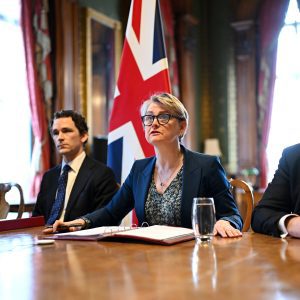
Among those representing the UK was Home Secretary Yvette Cooper, who engaged with international counterparts on issues ranging from security cooperation to humanitarian support. The G7 discussions are expected to focus heavily on strategies to address both the Ukraine conflict and the emerging challenges linked to Iran.
The timing of the meeting highlights the urgency of the situation. With multiple crises unfolding simultaneously, global leaders are under pressure to present a unified front and develop effective solutions that can prevent further escalation.
Balancing Domestic Priorities with Global Responsibilities
For Starmer and his government, the challenge lies in balancing international commitments with domestic priorities. While the UK continues to play an active role in supporting Ukraine and participating in global diplomatic efforts, it must also address the immediate concerns of its citizens.
Rising living costs, energy security, and economic stability remain top priorities for voters. Starmer’s acknowledgment of these issues signals an awareness that foreign policy decisions cannot be separated from their domestic consequences.
The government is likely to face increasing pressure to implement measures that shield households from the economic impact of global events. This could include energy subsidies, inflation control strategies, and targeted support for vulnerable groups.
The Broader Implications for Global Order
The conflicts in Ukraine and Iran are part of a broader shift in the international landscape. Analysts have pointed to the emergence of new alliances, increased military spending, and a re-evaluation of global supply chains as signs of a changing world order.
The Ukraine war has already led to a strengthening of NATO and a renewed focus on European security. At the same time, tensions in the Middle East risk drawing in additional powers, potentially widening the scope of conflict.
Starmer’s warning reflects concerns that these developments could lead to a more fragmented and uncertain global environment. The rules and institutions that have governed international relations for decades may face significant challenges, forcing countries to adapt to new realities.
Public Communication and Leadership in Uncertain Times
A key aspect of Starmer’s message is the importance of clear communication during periods of uncertainty. By addressing public concerns directly, he aims to reassure citizens while also preparing them for potential challenges ahead.
Leadership during times of crisis requires not only decisive action but also the ability to connect with people’s everyday experiences. Starmer’s focus on the cost-of-living impact demonstrates an effort to bridge the gap between global events and local realities.
Looking Ahead
As the situation continues to evolve, the UK government will need to navigate a complex landscape of geopolitical tensions and domestic pressures. The outcomes of the Iran and Ukraine conflicts remain uncertain, but their influence is already being felt across the world.
The coming months are likely to see intensified diplomatic efforts, economic adjustments, and policy debates as leaders attempt to manage the consequences of these crises. For the UK, the challenge will be to maintain stability at home while contributing to international efforts aimed at resolving conflicts and preserving global order.
This article may be prepared with the assistance of artificial intelligence (AI) and is reviewed before publication. While we aim for accuracy and timeliness, readers should verify important facts from official or primary sources. If you believe any information is inaccurate or that any content infringes your rights, please contact ainewsbreaking.com for review and appropriate action.