Strait of Hormuz Tensions Escalate as Europe Refuses US Request for Warship Deployment in High Stakes Middle East Showdown
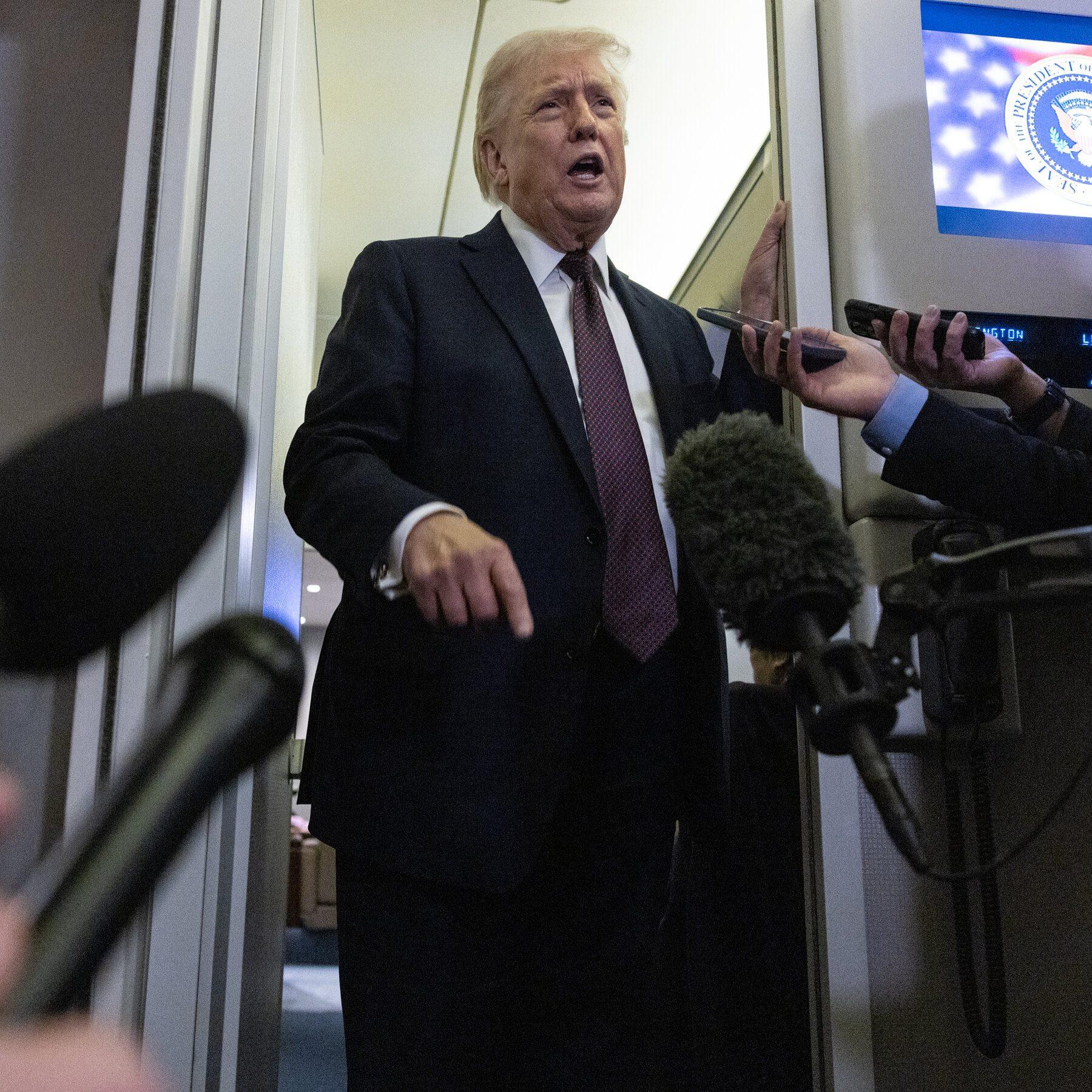
As tensions in the Middle East continue to escalate, several European countries have rejected a request from US President Trump to deploy warships to the Strait of Hormuz, a vital waterway that connects the Persian Gulf to the Arabian Sea. The Strait of Hormuz has become a key focal point of concern due to increased maritime security risks, prompting the US to call for a heightened military presence in the region.
The US had hoped that European nations would join them in deploying warships to the area, but so far, several countries have declined the request. This decision highlights the complexities of international diplomacy and the diverse approaches European nations are taking to address global security challenges. Despite the rejection, the US remains committed to its plan, citing the need to protect international shipping lanes and maintain stability in the region.
European nations have been hesitant to commit to the US plan, instead opting to explore alternative solutions to ensure the safe passage of ships through the area. Some countries have expressed a willingness to engage in discussions aimed at reopening the Strait of Hormuz, which could provide a peaceful resolution to the crisis. These talks are ongoing, with European leaders seeking to find a solution that balances their own interests with the need for collective action to maintain stability in the region.
The situation in the Strait of Hormuz remains a pressing concern, with significant implications for global trade and energy security. The waterway is a critical chokepoint for international shipping, with a significant proportion of the world’s oil passing through it. As European countries navigate their responses to US pressure, they must strike a delicate balance between their own interests and the need for collective action to maintain stability in the region.
The rejection of the US request by European nations has significant implications for international relations and global security. It highlights the challenges of building a coalition to address common security challenges and the need for nations to work together to maintain stability in the region. As the situation in the Strait of Hormuz continues to evolve, it remains to be seen how European nations will respond to US pressure and whether a peaceful resolution to the crisis can be found.
This article may be prepared with the assistance of artificial intelligence (AI) and is reviewed before publication. While we aim for accuracy and timeliness, readers should verify important facts from official or primary sources. If you believe any information is inaccurate or that any content infringes your rights, please contact ainewsbreaking.com for review and appropriate action.