
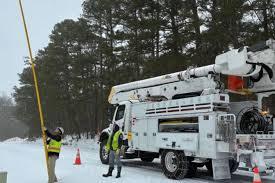
Strong Winds Trigger Nearly 1,300 Power Outages Across Region, Crews Work to Restore Electricity
Strong Winds Leave Thousands Without Electricity
Powerful wind gusts sweeping through parts of the northeastern United States left nearly 1,300 customers without electricity, as utility crews worked to restore service following widespread weather disruptions.
According to local utility reports, about 1,273 power outages were recorded across Connecticut, with several towns experiencing significant service interruptions as the strong winds toppled trees and damaged power lines.
Officials said gusty conditions moved through the region during the afternoon and evening hours, causing scattered outages and forcing emergency crews to respond to fallen branches and damaged infrastructure.
Towns Most Affected by the Outages
Utility companies reported that certain communities were hit harder than others during the wind event.
- Thomaston recorded the highest number of outages, with more than 650 customers affected.
- Middletown reported nearly 287 outages.
- Middlefield saw approximately 233 customers without electricity.
Earlier in the day, Meriden also experienced a major outage affecting around 856 customers, though most service had been restored by the evening.
Officials said crews were dispatched across the affected areas to repair damaged lines and restore power as quickly as possible.
Utility Crews Work to Restore Power
Energy providers, including Eversource and United Illuminating, mobilized repair teams to address the outages and assess damage caused by the high winds.
By late evening, many affected customers had their electricity restored as crews worked around the clock to repair lines and remove debris.
Utility companies urged residents to report outages and stay away from downed power lines, which can pose serious safety hazards.
Weather Conditions Behind the Disruptions
Meteorologists attributed the outages to strong wind gusts that swept across the region, a common occurrence during seasonal weather transitions.
The National Weather Service had issued advisories warning of potentially damaging winds capable of:
- Knocking down tree limbs
- Damaging power infrastructure
- Creating hazardous driving conditions
In some locations across the broader region, wind gusts exceeded 60 mph, enough to cause widespread damage and outages.
Such winds can easily snap branches or topple weakened trees, especially when the ground is saturated after recent rainfall.
Broader Impact of the Storm System
The storm system that produced the strong winds was part of a larger weather pattern affecting multiple states.
Across the wider eastern United States, the same system caused:
- Downed trees and damaged buildings
- Travel disruptions
- Large-scale power outages affecting hundreds of thousands of customers
At its peak, more than 300,000 people across several states lost electricity as the storm system moved eastward from the Great Lakes region.
Although the outages in Connecticut were smaller in scale compared with other areas, the winds were still strong enough to cause local damage.
Safety Warnings for Residents
Authorities advised residents to take precautions during windy conditions, including:
- Avoiding travel during severe gusts when possible
- Staying clear of fallen trees or power lines
- Reporting outages or hazards to local utilities
Emergency officials also reminded homeowners to secure outdoor items such as trash bins, patio furniture, and decorations that can become airborne during strong winds.
Power Restoration Efforts Continue
By late Saturday evening, utilities said restoration efforts had significantly reduced the number of outages.
For example, the number of outages served by United Illuminating dropped from more than 100 earlier in the day to just a few dozen by nightfall as repair crews completed work across affected neighborhoods.
Officials said additional crews remained on standby in case lingering winds caused further disruptions.
Increasing Weather Volatility
Meteorologists note that sudden wind events and severe storms have become more frequent during seasonal transitions, especially in late winter and early spring.
Rapid shifts in temperature and atmospheric pressure can create powerful wind systems capable of causing damage across large regions.
Such weather patterns often lead to:
- Short-term power outages
- Road closures due to fallen trees
- Delays in transportation and public services
This article may be prepared with the assistance of artificial intelligence (AI) and is reviewed before publication. While we aim for accuracy and timeliness, readers should verify important facts from official or primary sources. If you believe any information is inaccurate or that any content infringes your rights, please contact ainewsbreaking.com for review and appropriate action.