Supreme Court Declines Direct Probe Into Mercury Risks in Bhopal Gas Tragedy Waste, Redirects Plea to High Court Amid Environmental Safety Concerns
New Delhi, March 16, 2026: The Supreme Court of India on Monday delivered a pivotal decision in one of the latest chapters of the decades‑long legal and environmental aftermath of the infamous Bhopal Gas Tragedy, rejecting a petition that sought a direct investigation into the mercury content and potential environmental hazards posed by the disposal of toxic waste generated from the 1984 industrial disaster. The court’s judgment redirected the matter back to the Madhya Pradesh High Court, where long‑standing oversight of waste disposal has been underway, and underscored procedural pathways for the petitioners to pursue their concerns regarding mercury leakage and broader public health risks.
Background: The Bhopal Disaster and Lingering Toxic Legacy
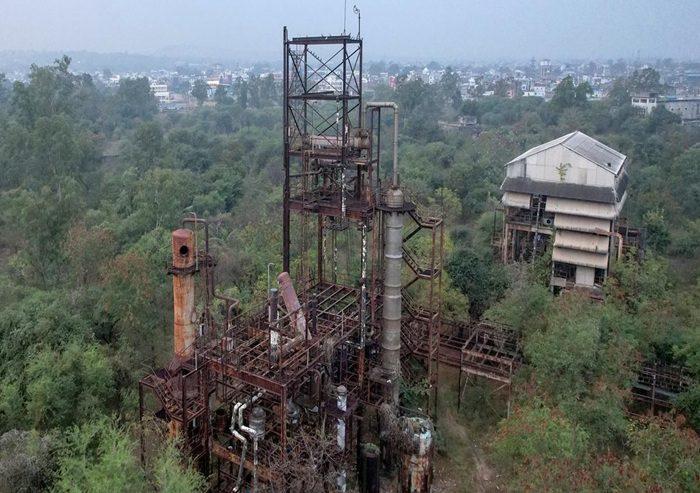
On the night of December 2–3, 1984, the industrial township of Bhopal in Madhya Pradesh was thrust into catastrophe when a massive leak of methyl isocyanate (MIC) gas erupted from the pesticide plant operated by Union Carbide India Limited (UCIL). Recognized as one of the worst industrial disasters in history, the gas release exposed hundreds of thousands of people to toxic chemicals, resulting in immediate fatalities and long‑term health and environmental consequences. The government‑linked Bhopal disaster report later estimated that at least several thousand people died and hundreds of thousands more suffered debilitating injuries and chronic illness.
Though the tragic gas release occurred over four decades ago, its environmental legacy has remained unresolved. Large quantities of contaminated soil, chemical residues, and industrial waste—some of which contain persistent toxic substances like heavy metals, including mercury—have been stored or disposed of in various locations over the years. Scientific studies have repeatedly highlighted concerns about soil and groundwater contamination near the former UCIL site and in areas where waste has been sent for treatment and disposal.
Among these ongoing concerns is the mercury content in the residual material that remains after the incineration or treatment of toxic waste. Mercury is a potent neurotoxin known to cause severe health effects even at low exposure levels, including neurological and developmental damage. In debates around the Bhopal waste cleanup, activists and scientists have highlighted the potential risks of mercury leaching into soil and water systems if not properly managed.
The Recent Petition: Calls for Supreme Court to Investigate Mercury Hazards
The latest legal action was initiated by the Bhopal Gas Peedith Sangharsh Sahyog Samiti, a prominent organisation representing gas tragedy survivors and victims’ families. The group filed a petition in the Supreme Court seeking a direct directive to investigate the alleged mercury leakage risks from the ash or residual material generated during the recent incineration of hazardous waste originating from the former Union Carbide facility.
Central to the petition was scientific evidence presented by Dr. Asif Qureshi of the Indian Institute of Technology Hyderabad, whose report raised concerns that the incinerated material might still retain significant amounts of mercury. According to the petitioners, insufficient measurement and reporting during earlier trials could mean that mercury levels are higher than documented, raising the risk of contamination of groundwater and surrounding environments if the ash was disposed of without adequate safeguards.
Senior advocate Anand Grover, assisting the petitioner, highlighted historical findings that over 15 kilograms of mercury were previously detected in residual soil during earlier stages of waste handling. The petitioner argued that these measurements indicated that mercury had not been properly quantified or addressed in subsequent studies or reports, and therefore raised legitimate concerns about environmental safety.
Supreme Court Judgment: Redirecting the Matter to High Court
In response to the petition, a two‑judge bench of the Supreme Court—Chief Justice of India Surya Kant and Justice Joymalya Bagchi—declined to entertain the plea for a direct investigation. The bench ruled that the appropriate course of action would be for the petitioners to file an application with the Madhya Pradesh High Court, which has been consistently monitoring the waste disposal process for the past two decades.
The Supreme Court noted that the High Court is better placed to examine detailed evidence, including the alleged mercury hazard, and issue necessary orders in the larger public interest. The bench emphasized that since the High Court has long oversight of the matter, it should consider the application on its merits and take expeditious action.
“We request the High Court to consider such application on merits and pass such orders as may be required in the larger public interest,” the bench observed, underscoring both the procedural context and the importance of judicial prudence in cases involving scientific evidence and environmental policy.
According to the Supreme Court’s directive, the petitioners must present supporting material showing apprehension of leakage risks. The Court expressed hope that the High Court would hear and decide the matter swiftly, recognizing the long history of litigation and public concern around the disposal and environmental monitoring of the toxic waste.
The High Court’s Role and Long‑Running Oversight
The Madhya Pradesh High Court has been supervising aspects of the Bhopal waste controversy for over 20 years, issuing periodic orders that shape how the toxic residues are managed. In late 2025, the High Court had been involved in decisions concerning the disposal of the waste in a Common Hazardous Waste Treatment, Storage and Disposal Facility (TSDF) at Pithampur in Dhar district, near Indore.
In October 2025, the High Court rejected a proposal by the Madhya Pradesh government to store the waste at the Pithampur facility due to its proximity—barely 500 metres—to residential areas, expressing concerns about potential health and environmental impacts. However, in December 2025, a subsequent order kept the earlier ruling in abeyance and allowed the disposal of the residue at the same facility, prompting renewed debate and legal challenges.
The blame and scrutiny over these judicial decisions have not been limited to legal notices alone; local activists, scientists, and environmental organisations have consistently questioned the robustness of testing methods and the adequacy of protective measures for surrounding communities. Several of these debates include allegations that mercury and other heavy metals persist in processed waste in concentrations that may exceed permissible levels, although official reports from agencies like the Central Pollution Control Board (CPCB) have claimed that emissions from incineration were within standard limits.
Scientific Evidence and Ongoing Environmental Concerns
Environmental scientists and activists have repeatedly raised scientific red flags about mercury and other toxic substances in and around Bhopal’s waste and disposal sites. Mercury, in particular, is a substance of global concern because of its persistence in the environment, potential to enter the food chain, and severe health impacts including neurological damage, especially in children and pregnant women.
Dr. Qureshi’s report—relied on by the petitioners before the Supreme Court—suggested that earlier measurement of mercury levels was flawed or incomplete, leading to underestimation of potential contamination risks. Such assertions have strengthened calls for independent, transparent, and rigorous testing to understand whether incinerated ash truly meets safety standards before final disposal.
Beyond mercury, other heavy metals and persistent organic pollutants remain part of the toxic legacy of the Bhopal disaster. Historical studies and environmental assessments have documented the presence of multiple contaminants in soil and groundwater around the former Union Carbide site, including organochlorines, lead, chromium, and volatile organic compounds. While not all contaminants are directly addressed in the current Supreme Court petition, their combined presence reinforces the urgency and complexity of environmental monitoring in the region.
Public and Activist Responses
Reactions to the Supreme Court’s decision have been mixed. Survivor groups and environmental activists expressed disappointment that the apex court did not directly order an investigation into mercury leakage. Advocates for environmental justice argued that the redirection to the High Court, while procedurally valid, could delay critical evaluations of environmental safety.
Some activists assert that existing scientific reports and independent studies should be integrated into judicial review to ensure a comprehensive assessment of potential environmental contamination. Others stressed that grassroots awareness and public pressure remain essential to keep the issue alive in legal and policy arenas, underscoring a sense of ongoing trauma and unresolved grievances from the Bhopal tragedy’s aftermath.
The Broader Context: Decades of Legal and Scientific Battles
The Supreme Court’s latest ruling is just one milestone in a multi‑decade struggle over compensation, environmental cleanup, and judicial responsibility in the wake of the Bhopal disaster. Over the years, Indian courts have grappled with complex questions about liability, scientific evidence, governmental responsibility, and the rights of victims and local residents.
Earlier legal battles addressed compensation from Union Carbide’s parent company and its Indian subsidiary, culminating in settlement agreements and criminal convictions of senior UCIL officials decades after the tragedy. Subsequent disputes have focused on environmental cleanup of the site, medical compensation for victims, and the responsibility of government agencies to ensure safe, science‑based remediation.
International bodies and environmental commissions have also weighed in over the years, highlighting the need for independent assessment and comprehensive rehabilitation efforts. Various scientific commissions and studies, national and international, have documented the persistence of contamination and its effects on human health and local ecosystems, emphasizing the importance of transparent data and evidence‑based action.
Next Steps: High Court Proceedings and Environmental Review
With the Supreme Court directing the case back to the Madhya Pradesh High Court, the focus now shifts to the next phase of judicial examination. Petitioners and their legal representatives are expected to file detailed applications supported by scientific data, including Dr. Qureshi’s report and other environmental studies, to demonstrate the potential risk of mercury leakage and other contaminants.
The High Court’s response, in turn, could significantly influence not only local waste management policies but also broader environmental jurisprudence in India. The involvement of scientific experts, independent testing laboratories, and environmental agencies will likely be crucial as the court considers evidence and determines whether additional safeguards, monitoring, or investigative measures are necessary to protect public health and the environment.
Given the High Court’s history of oversight in this matter and its familiarity with the technical issues involved, legal experts and activists alike are watching closely to see how the matter progresses. Decisions on evidence admissibility, scientific credibility, and the scope of judicial intervention could set precedents for how courts balance environmental science and public policy in industrial disaster contexts.
This article may be prepared with the assistance of artificial intelligence (AI) and is reviewed before publication. While we aim for accuracy and timeliness, readers should verify important facts from official or primary sources. If you believe any information is inaccurate or that any content infringes your rights, please contact ainewsbreaking.com for review and appropriate action.