Supreme Court Urges Balanced Approach on Free Speech as Centre Defends IT Rules
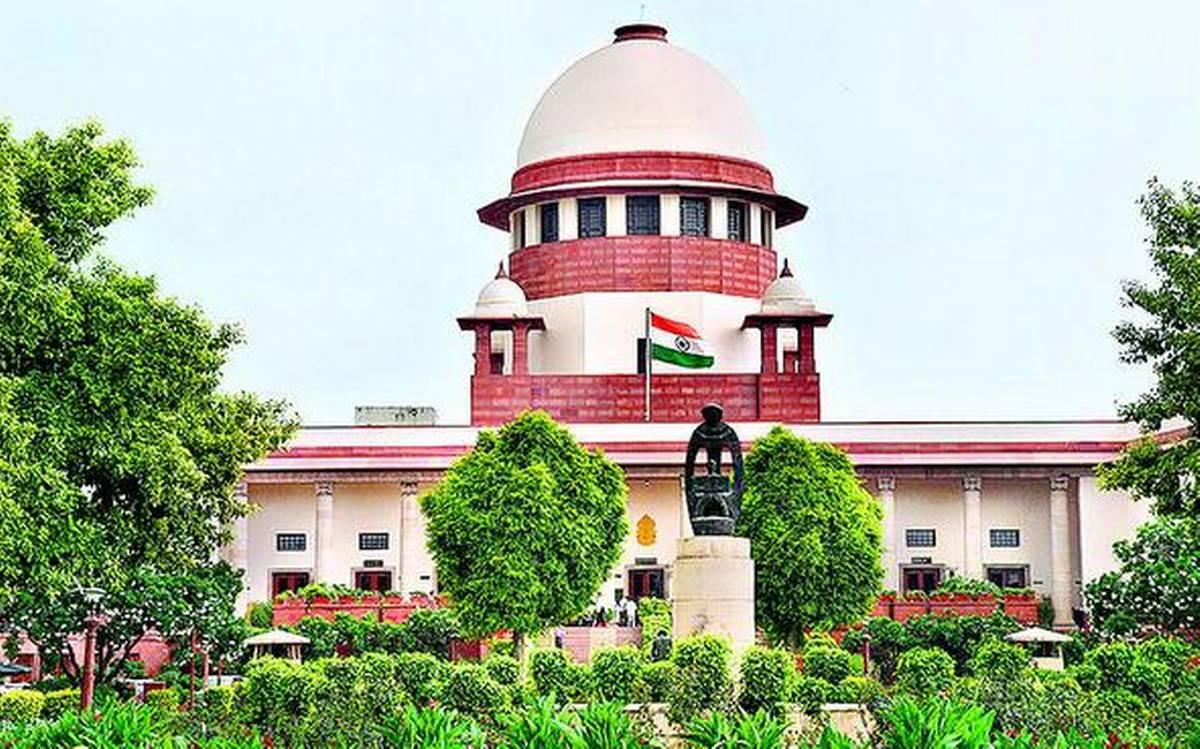
The debate over online freedom of expression in India once again reached the spotlight as the Supreme Court of India urged a balanced approach between regulation and free speech, while the Central Government clarified that the Information Technology (IT) Rules are not intended to suppress humour, satire, or criticism.
The top court emphasized that while the government has the authority to regulate harmful online content, such regulations must not stifle legitimate expression, including satire and criticism that are fundamental aspects of democratic discourse. The remarks came during hearings related to challenges against provisions of the IT Rules that critics argue could lead to censorship or chilling effects on free speech in the digital space.
Centre Tells Supreme Court IT Rules Not Designed to Curb Free Expression
During the proceedings, the Centre clarified that the purpose of the IT Rules is primarily to tackle misinformation, harmful content, and unlawful material on digital platforms, rather than restrict legitimate commentary or satire. Government representatives informed the court that humour, political satire, criticism of authorities, and public debate remain protected forms of expression under the Constitution.
The Centre emphasized that the regulatory framework seeks to ensure accountability among social media intermediaries while protecting citizens from fake news and malicious misinformation that could disturb public order or harm individuals.
However, the government assured the court that the rules do not empower authorities to arbitrarily silence critics or remove content simply because it mocks or questions the government.
Supreme Court Stresses Need to Protect Free Speech
The bench of the Supreme Court highlighted the importance of maintaining a balance between regulation and constitutional freedoms. Judges noted that while the digital world has expanded opportunities for communication and public engagement, it has also created new challenges such as hate speech, misinformation, and harmful content.
At the same time, the court observed that free speech is a core democratic right, and any regulatory mechanism must avoid creating an environment where individuals feel discouraged from expressing their views.
The court indicated that humour, satire, and criticism are long-standing forms of expression in democratic societies and must be protected unless they clearly cross legal boundaries.
Constitutional Context: Freedom of Speech Under Article 19
India’s Constitution guarantees the freedom of speech and expression under Article 19(1)(a). However, this freedom is not absolute. The Constitution allows “reasonable restrictions” under Article 19(2) in matters involving:
- Public order
- Security of the state
- Defamation
- Morality and decency
- Incitement to an offence
Courts have historically attempted to maintain a balance between these restrictions and the fundamental right to speak freely.
A landmark example is the Shreya Singhal v. Union of India judgment in 2015, where the Supreme Court struck down Section 66A of the IT Act because it was vague and could be misused to curb online speech. The court ruled that overly broad laws could create a “chilling effect” on free expression.
Controversy Around IT Rules and Fact-Checking Mechanism
One of the key controversies surrounding the IT Rules involves the government’s proposal to establish a fact-checking unit (FCU) to flag or remove online content related to government affairs deemed “fake or misleading.”
Critics, including journalists, digital rights activists, and satirists, have argued that such a mechanism could give the government excessive power to decide what constitutes truth or misinformation.
Political satirist Kunal Kamra challenged the amendment in court, arguing that it could restrict satire and criticism of government policies. The case raised broader questions about the potential impact of regulatory powers on free speech in India’s digital ecosystem.
Court Calls for Regulatory Framework Without Censorship
During earlier hearings on similar issues, the Supreme Court had advised the Centre to develop a regulatory mechanism for social media content without imposing censorship. The court suggested that such a framework should involve consultations with multiple stakeholders, including technology platforms, civil society groups, and media organizations.
The judges reiterated that while regulation may be necessary to address harmful online content, it must not be used as a tool to silence dissent or legitimate criticism.
Concerns Over Offensive Online Content
The debate around regulation of online content has intensified in recent years due to controversies involving social media influencers, comedians, and digital creators.
Courts have expressed concern that insensitive or offensive jokes targeting vulnerable groups can cause real harm. Judges noted that content creators have a responsibility to exercise caution, especially when their content reaches millions of viewers online.
At the same time, legal experts warn that overly strict regulations could discourage creative expression, including satire and parody.
Growing Role of Social Media in Political Discourse
Social media platforms have become central spaces for political discussion, public debate, and activism. Satirical videos, memes, and comedic commentary frequently influence public opinion and political narratives.
Because of this growing influence, governments worldwide are grappling with the challenge of regulating digital platforms while safeguarding free speech.
India, with one of the world’s largest internet user bases, faces particularly complex challenges in balancing regulation with freedom of expression.
Experts Call for Clear Guidelines
Legal scholars and digital rights advocates say that clear and narrowly defined rules are essential to avoid misuse of regulatory powers.
Experts suggest that any regulatory framework should include:
- Transparent content moderation processes
- Independent oversight mechanisms
- Judicial review of takedown orders
- Protection for satire, parody, and political commentary
Such measures, they argue, would help maintain trust between the government, digital platforms, and citizens.
Future of Online Free Speech Debate
The Supreme Court’s remarks signal that the judiciary is likely to play a critical role in shaping India’s digital free speech framework.
The court has repeatedly emphasized that fundamental rights must remain protected even in the digital age, while also acknowledging the need to address harmful content and misinformation.
The outcome of ongoing legal challenges to the IT Rules could significantly influence the future of internet regulation in India.
This article may be prepared with the assistance of artificial intelligence (AI) and is reviewed before publication. While we aim for accuracy and timeliness, readers should verify important facts from official or primary sources. If you believe any information is inaccurate or that any content infringes your rights, please contact ainewsbreaking.com for review and appropriate action.