Supreme Court Warns Centre Over Delay in Benefits for Boarded-Out Officer Cadets, Says ‘We Will Have to Summon Secretaries’
The Supreme Court of India has strongly cautioned the Government of India over the prolonged delay in taking a decision regarding benefits for boarded-out officer cadets who were forced to leave military training academies due to medical disabilities.
During a recent hearing, the apex court expressed its dissatisfaction with the government’s slow response in addressing the long-pending issue. The bench warned that if the matter continues to face delays, it may be compelled to summon senior government secretaries to explain the inaction.
The case concerns cadets who were selected and undergoing training in India’s prestigious defence academies but had to discontinue their training because of injuries or medical conditions acquired during the training period.
Court Questions Government’s Inaction
The bench of the Supreme Court noted that the matter has been pending for a long time without a clear policy decision from the Centre.
The judges said that repeated adjournments and lack of clarity from the government were unacceptable, especially considering that the affected cadets had committed themselves to serving the nation.
The court observed that these cadets had already undergone a rigorous selection process and had begun military training, which often involves physically demanding and risky activities.
Expressing concern over the delay, the bench remarked that if a decision is not taken soon, the court may summon top bureaucrats responsible for the policy.
“If you cannot take a decision, we will have to summon the secretaries,” the court warned while addressing the Centre’s legal representatives.
Who Are Boarded-Out Officer Cadets?
Boarded-out officer cadets are those who join military training academies but are later discharged because they become medically unfit during training.
This situation can arise due to several reasons, including:
- Injuries sustained during training exercises
- Accidents during military drills
- Medical complications discovered during training
- Stress fractures or physical strain caused by rigorous activities
Once declared medically unfit, such cadets are “boarded out” and must leave the academy before completing their officer training.
However, many of these injuries occur while they are serving in a training capacity for the armed forces, raising questions about compensation, benefits, and rehabilitation.
Cadets Seeking Disability Benefits
The affected cadets have approached the Supreme Court seeking disability pension or financial benefits, arguing that their injuries occurred during official training and while preparing to serve the country.
They contend that their discharge should not deprive them of benefits because:
- They were selected through a highly competitive national process
- They were performing duties under military supervision
- The injuries happened during official training activities
Many former cadets have argued that they face long-term health issues and career disruptions after being boarded out.
Government Yet to Finalize Policy
The central government informed the court that the issue requires consultation among multiple departments, including:
- Ministry of Defence
- Ministry of Finance
- Department of Ex‑Servicemen Welfare
Officials said that policy decisions involving financial benefits and pension structures require careful evaluation before implementation.
However, the court questioned why the process had taken so long and urged the government to reach a conclusion quickly.
Legal Debate Over Entitlement
One of the key legal questions in the case is whether officer cadets who are medically discharged during training should be treated similarly to soldiers injured during service.
Some experts argue that since cadets are not formally commissioned officers yet, they may not fall under existing pension rules.
On the other hand, supporters of the cadets say that the injuries occur during official military training, which should qualify them for compensation and disability benefits.
The Supreme Court has previously emphasized the need for fairness in such cases, noting that individuals who volunteer for military service should not be left without support if they suffer injuries during training.
Wider Impact on Defence Recruitment
The outcome of the case could have wider implications for military training policies and the welfare of future cadets.
India’s defence academies, including:
- National Defence Academy
- Indian Military Academy
- Officers Training Academy
conduct physically demanding training programs designed to prepare candidates for combat leadership roles.
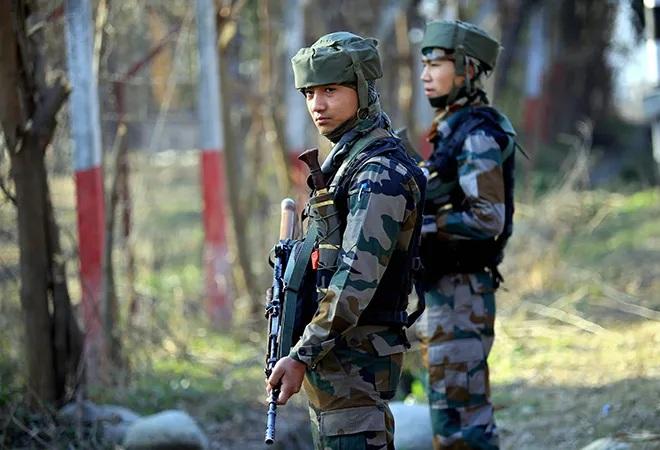
Training activities include endurance marches, obstacle courses, weapon drills, and field exercises, all of which carry risks of injury.
A clear policy on benefits for medically discharged cadets could help ensure better welfare and support systems.
Supreme Court Pushes for Swift Resolution
The Supreme Court has now directed the Centre to expedite its decision and provide clarity on the matter.
The bench emphasized that individuals who join defence academies demonstrate exceptional commitment to national service, and the government must ensure they are treated fairly if they suffer injuries during training.
By warning that it may summon top bureaucrats, the court signaled that it expects a prompt and definitive policy decision.
The next hearing in the case is expected to focus on whether the Centre has finalized a framework for extending benefits to these boarded-out officer cadets.
.
This article may be prepared with the assistance of artificial intelligence (AI) and is reviewed before publication. While we aim for accuracy and timeliness, readers should verify important facts from official or primary sources. If you believe any information is inaccurate or that any content infringes your rights, please contact ainewsbreaking.com for review and appropriate action.