
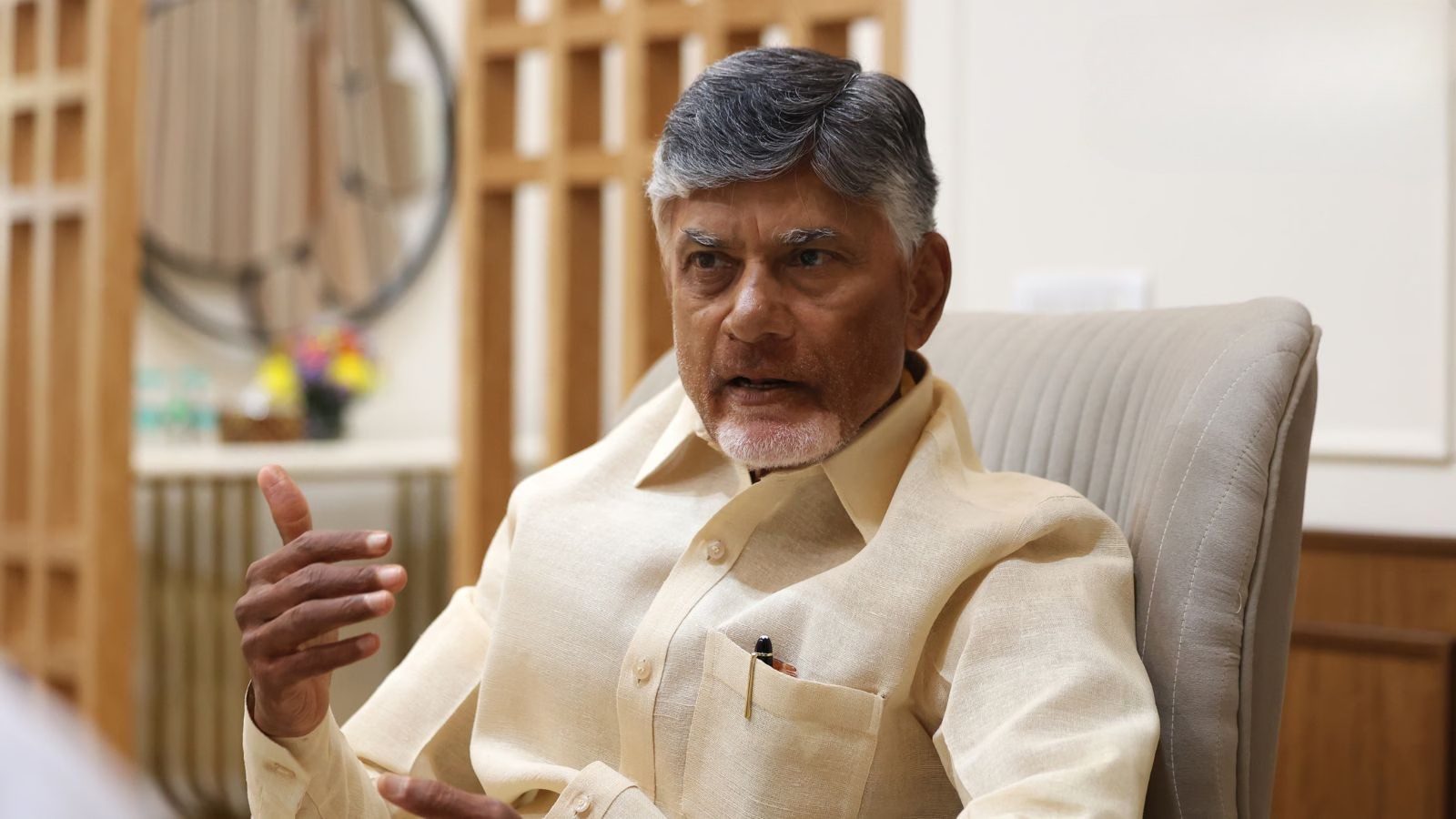
TDP Leader Chandrababu Naidu Secures Major Victory as Amaravati Bill Passes in Lok Sabha, Boosting His Comeback Bid in Andhra Pradesh
Decode Politics: Why Amaravati Bill’s Passage in Lok Sabha Is a Big Boost for Chandrababu Naidu
The passage of the Amaravati Capital Bill in the Lok Sabha marks a significant political and strategic victory for Telugu Desam Party (TDP) chief N. Chandrababu Naidu, reinforcing his leadership narrative and reviving the long-debated vision of Amaravati as Andhra Pradesh’s sole capital.
Beyond legislative approval, the move carries deep political implications, especially in the context of Andhra Pradesh’s evolving power dynamics, regional sentiments, and Naidu’s efforts to reclaim his stature in state politics.
The Amaravati Issue: A Long-Standing Political Flashpoint
The capital city issue has been one of the most contentious topics in Andhra Pradesh since the state’s bifurcation in 2014. Chandrababu Naidu, during his tenure as Chief Minister, envisioned Amaravati as a world-class capital, attracting investments and symbolizing a modern Andhra Pradesh.
However, the subsequent YSR Congress Party (YSRCP) government proposed a three-capital model:
- Visakhapatnam – Executive capital
- Amaravati – Legislative capital
- Kurnool – Judicial capital
This shift triggered protests, especially from farmers in Amaravati who had pooled land for the capital project.
What the Amaravati Bill Passage Means
The Lok Sabha’s approval of the Amaravati Bill signals renewed central backing for the single-capital model, aligning with Naidu’s long-standing position.
Key takeaways include:
- Reinforcement of Amaravati as the primary capital
- Policy clarity after years of uncertainty
- Boost to stalled infrastructure and investments
For Naidu, this is not just a policy win—it’s a validation of his original vision.
A Political Shot in the Arm for Naidu
1. Restoration of Credibility
Naidu has consistently championed Amaravati. The Bill’s passage strengthens his claim that his vision was always viable and nationally supported.
2. Emotional Connect with Farmers
Thousands of farmers in Amaravati had voluntarily given land for the capital project. The development:
- Rebuilds trust among these communities
- Positions Naidu as a leader who stood by them
3. Strategic Advantage Over Rivals
The move puts political pressure on the YSRCP, which had advocated decentralization. Naidu can now frame the debate as:
- Development vs. policy confusion
- Consistency vs. reversals
4. Boost Ahead of Elections
With elections always looming in Andhra politics, this development provides:
- A strong campaign narrative
- A tangible achievement to showcase
Impact on Andhra Pradesh Politics
The Amaravati issue has evolved into a symbol of governance philosophy:
| Naidu (TDP) | YSRCP |
|---|---|
| Single capital (Amaravati) | Three-capital model |
| Centralized development | Decentralized governance |
| Investor-driven growth | Regional balance |
The Bill’s passage tilts momentum in Naidu’s favor by:
- Reviving investor confidence
- Strengthening pro-Amaravati sentiment
- Weakening the opposition’s argument
Economic and Development Implications
If implemented effectively, the renewed focus on Amaravati could:
- Restart infrastructure projects
- Attract domestic and foreign investment
- Generate employment opportunities
For Naidu, economic revival tied to Amaravati could become a cornerstone of his political comeback narrative.
Challenges Ahead
Despite the political boost, hurdles remain:
- Legal and administrative complexities
- Funding requirements for large-scale development
- Resistance from regions supporting decentralization
Naidu will need to balance regional aspirations with capital-centric growth.
This article may be prepared with the assistance of artificial intelligence (AI) and is reviewed before publication. While we aim for accuracy and timeliness, readers should verify important facts from official or primary sources. If you believe any information is inaccurate or that any content infringes your rights, please contact ainewsbreaking.com for review and appropriate action.