
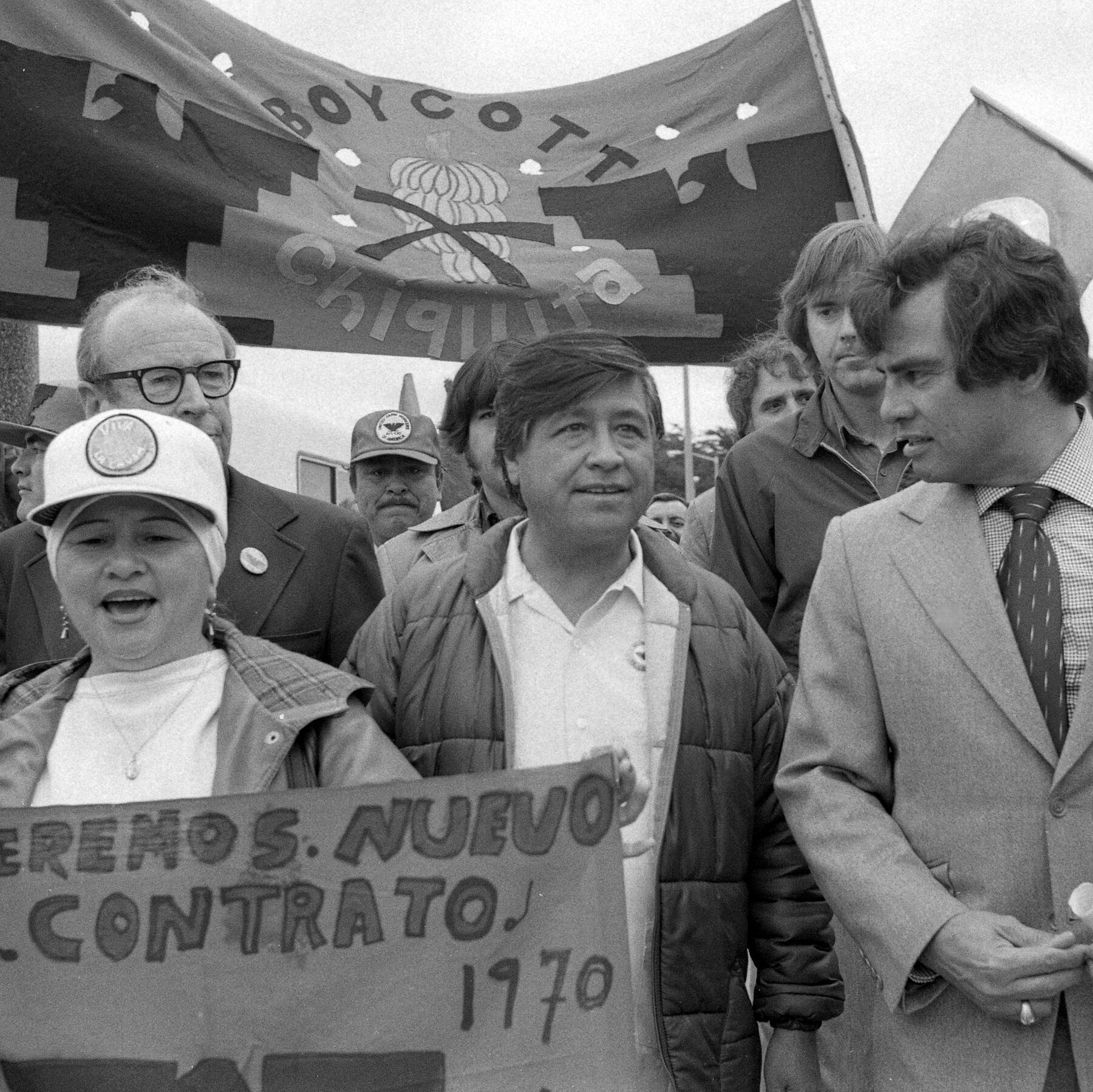
Teachers Grapple with Evolving Legacy of Cesar Chavez in US Classrooms
As educators across the United States prepare to commemorate the life and legacy of Cesar Chavez, a growing number of teachers are reassessing how to approach the topic in their classrooms. With a renewed focus on the broader labor movement that Chavez helped lead, many are considering whether to shift the emphasis away from the individual and towards the collective impact of his work. This development comes as schools and educators strive to provide a more nuanced understanding of the historical context and significance of Chavez’s contributions.
Cesar Chavez, a prominent labor leader and civil rights activist, dedicated his life to improving the working conditions and rights of farmworkers and laborers. His tireless efforts and unwavering commitment to social justice have made him an iconic figure in American history. However, as educators delve deeper into the complexities of his legacy, they are beginning to explore the broader implications of his work and the labor movement as a whole.
In recent years, there has been a growing trend towards incorporating more comprehensive and multidimensional perspectives into history curricula. This shift is driven in part by the recognition that historical events and figures are often more complex and multifaceted than traditional narratives might suggest. By expanding the focus beyond individual figures like Chavez, educators aim to provide students with a richer understanding of the social, economic, and cultural context in which historical events unfolded.
The decision to reimagine the way Cesar Chavez is taught in classrooms is not without its challenges. Many educators and scholars argue that Chavez’s legacy is deeply intertwined with the labor movement, and that to diminish his role would be to overlook the significant contributions he made. Others, however, contend that by placing greater emphasis on the broader movement, educators can help students develop a more nuanced understanding of the complex historical forces that shaped the lives of workers and laborers.
As the educational landscape continues to evolve, it is likely that the way Cesar Chavez is taught in US classrooms will undergo significant changes. While some may view this shift as a departure from traditional approaches, others see it as an opportunity to breathe new life into the study of history and to provide students with a more nuanced and multidimensional understanding of the past. Ultimately, the goal of educators is to empower students with a deeper appreciation for the complexities of history and the enduring impact of figures like Cesar Chavez.
The impact of this shift will be closely watched by educators, scholars, and historians, who will be eager to assess the effects of this new approach on student learning and understanding. As the conversation around Cesar Chavez and the labor movement continues to unfold, one thing is clear: the way we teach and learn about history is constantly evolving, and it is up to educators to ensure that these changes reflect the complexities and nuances of the past.
In the coming weeks and months, educators and scholars will continue to grapple with the challenges and opportunities presented by this shift in approach. As they work to reimagine the way Cesar Chavez is taught in US classrooms, they will be driven by a shared commitment to providing students with a rich, nuanced, and multidimensional understanding of the past. By doing so, they hope to inspire a new generation of students to engage with history in a deeper and more meaningful way.
This article may be prepared with the assistance of artificial intelligence (AI) and is reviewed before publication. While we aim for accuracy and timeliness, readers should verify important facts from official or primary sources. If you believe any information is inaccurate or that any content infringes your rights, please contact ainewsbreaking.com for review and appropriate action.