Toxic Skies: Regional Health Concerns Escalate Following Iranian Fuel Depot Attacks
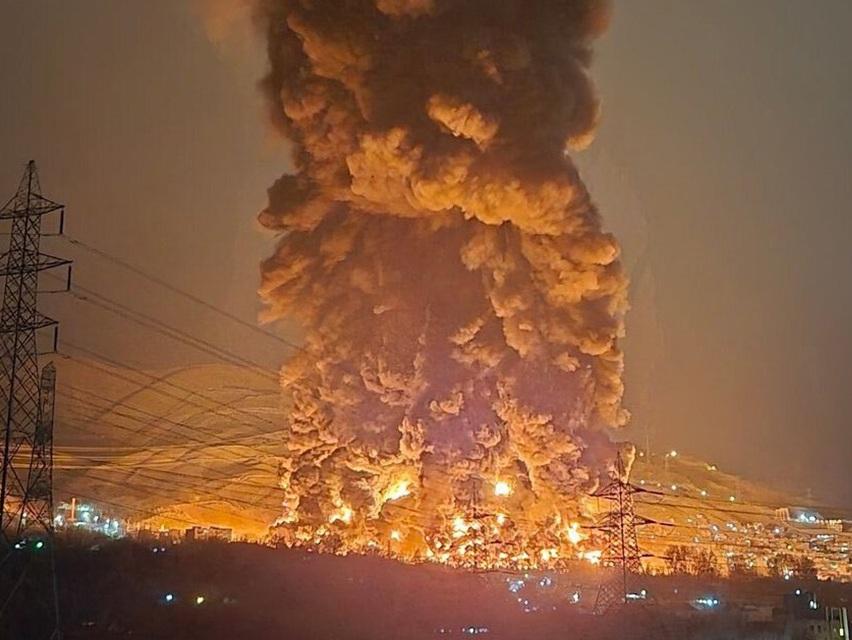
A recent series of attacks on fuel depots in Iran has sparked widespread concern over the potential long-term health implications for residents in the surrounding areas. As plumes of smoke from burning oil spread across the region, medical experts are warning of an increased risk of respiratory and neurological problems, highlighting the need for immediate action to mitigate the effects of this environmental disaster.
The attacks, which have resulted in the release of massive quantities of toxic fumes into the atmosphere, have already begun to take a toll on the health of local populations. Residents in nearby areas have reported a range of symptoms, including respiratory difficulties, headaches, and skin irritation, prompting fears of a potential public health crisis. With the smoke from the burning oil depots continuing to spread, the risk of exposure to toxic pollutants is increasing by the day, leaving many to wonder about the potential consequences for their health and wellbeing.
Health experts have emphasized that the risks associated with exposure to the toxic fumes are not limited to immediate symptoms, but also include the potential for long-term damage to the respiratory and nervous systems. Prolonged exposure to pollutants such as particulate matter, carbon monoxide, and volatile organic compounds can lead to chronic health problems, including asthma, cardiovascular disease, and even neurological disorders. Furthermore, the impact of this disaster is not limited to human health, as the environmental consequences of the oil depot attacks are also likely to be severe, with the potential for contamination of soil, water, and air.
As the situation continues to unfold, regional authorities are facing mounting pressure to take action to address the crisis. This includes implementing measures to reduce the spread of toxic fumes, providing medical support to affected communities, and conducting thorough assessments of the environmental damage caused by the attacks. The international community is also being called upon to provide assistance, including expertise, resources, and equipment, to help mitigate the effects of this disaster.
In the meantime, residents in the affected areas are being advised to take precautions to minimize their exposure to the toxic fumes. This includes staying indoors, wearing protective masks, and avoiding outdoor activities, particularly during periods of high pollution. However, for many, these measures are not enough, and there is a growing demand for more effective solutions to address the crisis. As the situation continues to deteriorate, it is clear that a comprehensive and coordinated response is needed to protect the health and wellbeing of those affected and to prevent further environmental damage.
The Iranian fuel depot attacks have sparked a regional health crisis, with far-reaching consequences for the environment and human health. As the world watches, it is imperative that immediate action is taken to address this disaster, including providing support to affected communities, reducing the spread of toxic fumes, and assessing the full extent of the environmental damage. Only through a coordinated and effective response can the risks associated with this crisis be mitigated, and the health and wellbeing of those affected be protected. With the situation continuing to unfold, one thing is clear: the need for action has never been more pressing, and the consequences of inaction will be dire.
This article may be prepared with the assistance of artificial intelligence (AI) and is reviewed before publication. While we aim for accuracy and timeliness, readers should verify important facts from official or primary sources. If you believe any information is inaccurate or that any content infringes your rights, please contact ainewsbreaking.com for review and appropriate action.