
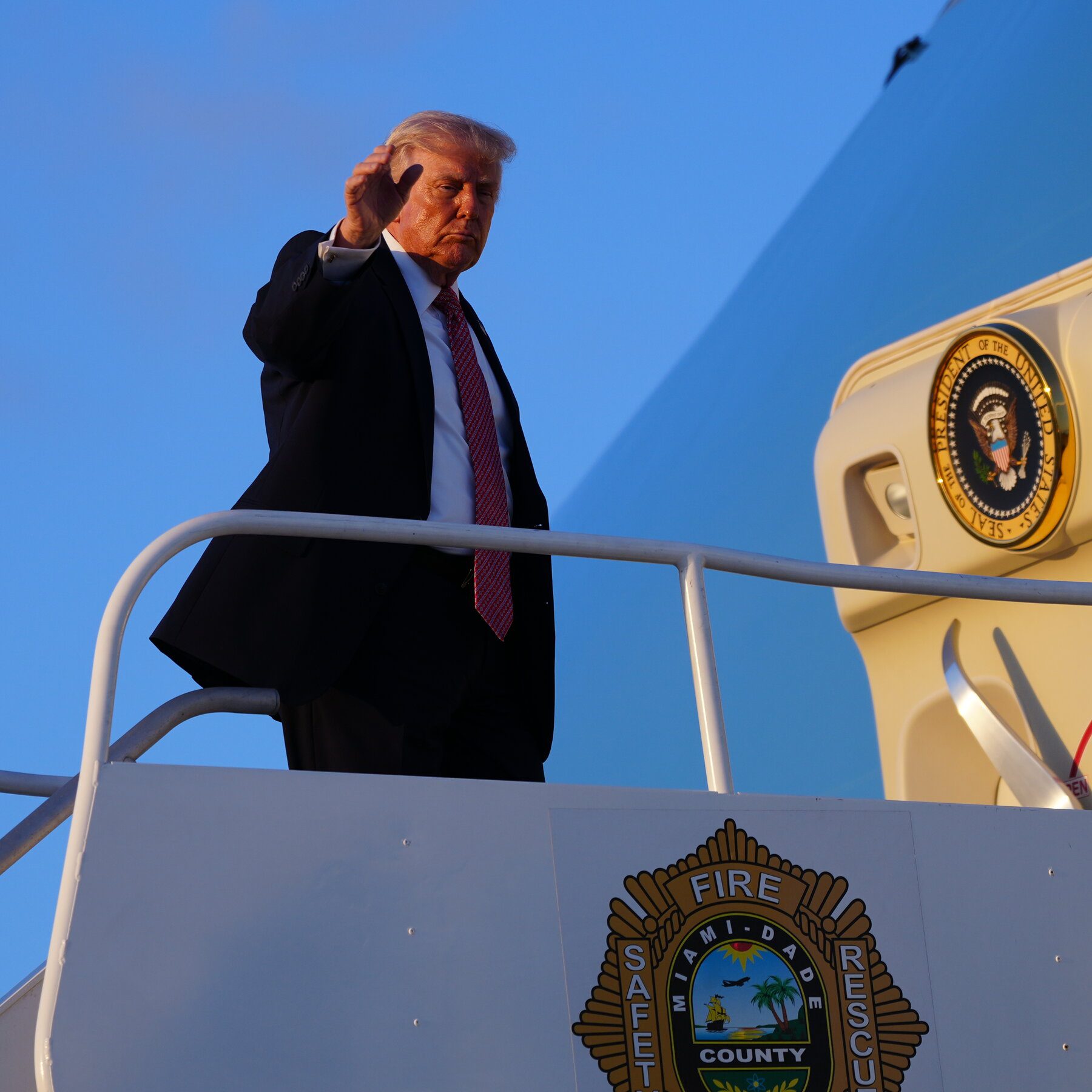
Trump Announces U.S. Exit From Iran War Within 2–3 Weeks, Set to Address Nation Amid Global Tensions
In a major geopolitical development, U.S. President Donald Trump has announced that American forces could withdraw from Iran within the next two to three weeks, signaling a potential end to the ongoing military conflict that has gripped the Middle East for over a month. The statement, made from the Oval Office, marks one of the clearest indications yet that Washington is preparing to wind down its military campaign against Tehran.
The White House has also confirmed that President Trump will address the nation on Wednesday evening, a speech that is expected to outline the administration’s strategy, achievements, and next steps in the Iran conflict. The announcement has drawn global attention, as world leaders, financial markets, and energy sectors closely monitor the implications of a possible U.S. exit.
Trump’s Timeline for Withdrawal
Speaking to reporters, Trump suggested that the United States is nearing the completion of its primary objectives in Iran. He indicated that the withdrawal could take place “within two weeks, maybe three,” emphasizing that the decision does not depend on reaching a formal agreement with Tehran.
“We’ll be leaving very soon,” Trump said, reinforcing his administration’s stance that the military campaign has achieved its core goals.
According to the president, the primary mission of the operation was to significantly degrade Iran’s military and nuclear capabilities. Trump claimed that these objectives have largely been accomplished, suggesting that continued military presence may no longer be necessary.
No Deal Required With Iran
One of the most striking aspects of Trump’s announcement is his assertion that a diplomatic deal with Iran is not required for the U.S. to withdraw. This represents a notable shift from earlier positions, where negotiations were seen as a key component of ending hostilities.
“Iran doesn’t have to make a deal,” Trump stated, indicating that the U.S. is prepared to conclude the conflict unilaterally.
This approach could have significant implications for the region. Traditionally, major conflicts involving the U.S. have ended with formal agreements or negotiated settlements. A unilateral withdrawal raises questions about long-term stability, enforcement of objectives, and the future of Iran’s nuclear ambitions.
Background of the Conflict
The current conflict began on February 28, 2026, when U.S. and Israeli forces launched coordinated strikes on Iranian targets following escalating tensions over Tehran’s nuclear program. Since then, the war has intensified, involving missile strikes, drone attacks, and widespread military operations across multiple regions.
The campaign, reportedly named “Operation Epic Fury,” has targeted critical infrastructure in Iran, including missile production facilities and strategic military installations.
Trump has claimed that these strikes have caused extensive damage to Iran’s capabilities, suggesting that it could take the country years—possibly decades—to recover fully.
Impact on Global Energy Markets
The conflict has had a profound effect on global energy markets, particularly oil prices. Concerns over disruptions in the Strait of Hormuz—a key maritime route for global oil shipments—have led to increased volatility.
In the United States, gasoline prices have surged, reaching an average of $4 per gallon, the highest level in years.
Trump linked the potential withdrawal to a reduction in fuel prices, suggesting that ending the conflict could stabilize energy markets. However, analysts remain cautious, noting that geopolitical uncertainties may continue to influence prices even after a U.S. exit.
Escalation and Regional Fallout
Despite Trump’s optimistic timeline, the situation on the ground remains complex and volatile. Reports indicate that Iran has continued to launch missile and drone attacks targeting U.S. assets and allied nations in the region, including Saudi Arabia, Kuwait, and the United Arab Emirates.
Meanwhile, U.S. forces have intensified their operations, deploying additional troops and advanced military equipment, including B-52 bombers and airborne divisions.
The broader regional impact has been significant, with ongoing violence affecting neighboring countries and raising concerns about humanitarian crises, displacement, and economic instability.
International Reactions and Diplomacy
Global reactions to Trump’s announcement have been mixed. Some countries have welcomed the possibility of de-escalation, while others remain concerned about the lack of a formal agreement with Iran.
China and Pakistan have reportedly proposed a peace initiative that includes a ceasefire and the reopening of the Strait of Hormuz, highlighting ongoing diplomatic efforts to stabilize the region.
At the same time, questions remain about NATO’s role and the extent of international support for U.S. actions. Trump has previously criticized allies for insufficient involvement, hinting at a broader reassessment of U.S. commitments abroad.
Economic and Political Implications
The potential end of the Iran conflict carries significant economic and political implications. Financial markets have responded cautiously to Trump’s remarks, with investors weighing the prospects of reduced geopolitical risk against ongoing uncertainties.
For the Trump administration, the announcement could serve as a key political milestone, demonstrating a commitment to limiting long-term military engagements while achieving strategic objectives.
However, critics argue that a rapid withdrawal without a comprehensive agreement could undermine long-term stability and allow Iran to rebuild its capabilities over time.
What to Expect From Trump’s Address
All eyes are now on President Trump’s upcoming address to the nation. The speech is expected to provide greater clarity on several critical issues, including:
- The timeline and logistics of U.S. troop withdrawal
- The extent of damage inflicted on Iran’s military infrastructure
- Plans for ensuring regional stability post-withdrawal
- The administration’s stance on future relations with Iran
The address may also seek to reassure both domestic and international audiences about the effectiveness of U.S. actions and the path forward.
Uncertainty Remains
While Trump’s announcement has raised hopes of a de-escalation, significant uncertainties remain. The absence of a formal agreement with Iran, ongoing hostilities, and the complex dynamics of the Middle East mean that the situation could evolve rapidly.
Experts warn that even if U.S. forces withdraw within the proposed timeframe, the underlying tensions between Washington and Tehran are unlikely to disappear entirely.
This article may be prepared with the assistance of artificial intelligence (AI) and is reviewed before publication. While we aim for accuracy and timeliness, readers should verify important facts from official or primary sources. If you believe any information is inaccurate or that any content infringes your rights, please contact ainewsbreaking.com for review and appropriate action.