Trump Backs Qatar, Denies US Role in Israel’s South Pars Strike as Iran War Threatens Global Energy Markets
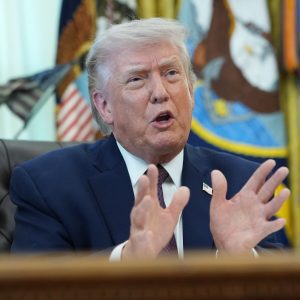
US President Donald Trump has publicly defended Qatar and denied any American involvement in Israel’s attack on Iran’s South Pars gas field, adding a dramatic new twist to the fast-widening Middle East conflict. In remarks published on March 19, 2026, Trump said Washington had no prior knowledge of the Israeli strike and insisted that Qatar had been “unfairly attacked” by Iran in retaliation. He also warned Tehran not to hit Qatar’s LNG infrastructure again, threatening massive consequences if such an attack is repeated.
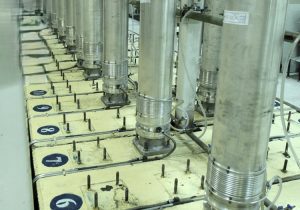
The statement is significant because South Pars is not just another energy site. It is the world’s largest natural gas field and a central pillar of Iran’s energy economy, shared geologically with Qatar, whose side is linked to the massive North Field gas system that underpins its global LNG exports. An attack on South Pars immediately raises fears of broader disruption to Gulf energy infrastructure, and that is exactly why Trump’s comments have drawn intense attention from markets and diplomats alike.
According to reports published Thursday, Trump said the United States “knew nothing” about Israel’s move against South Pars and stressed that Qatar was not involved “in any way, shape, or form.” He argued that Iran wrongly targeted Qatari infrastructure afterward, portraying Doha as a victim rather than a participant in the escalation. That framing appears aimed at calming tensions with a key Gulf partner while distancing Washington from one of the most sensitive attacks in the current Iran-Israel confrontation.
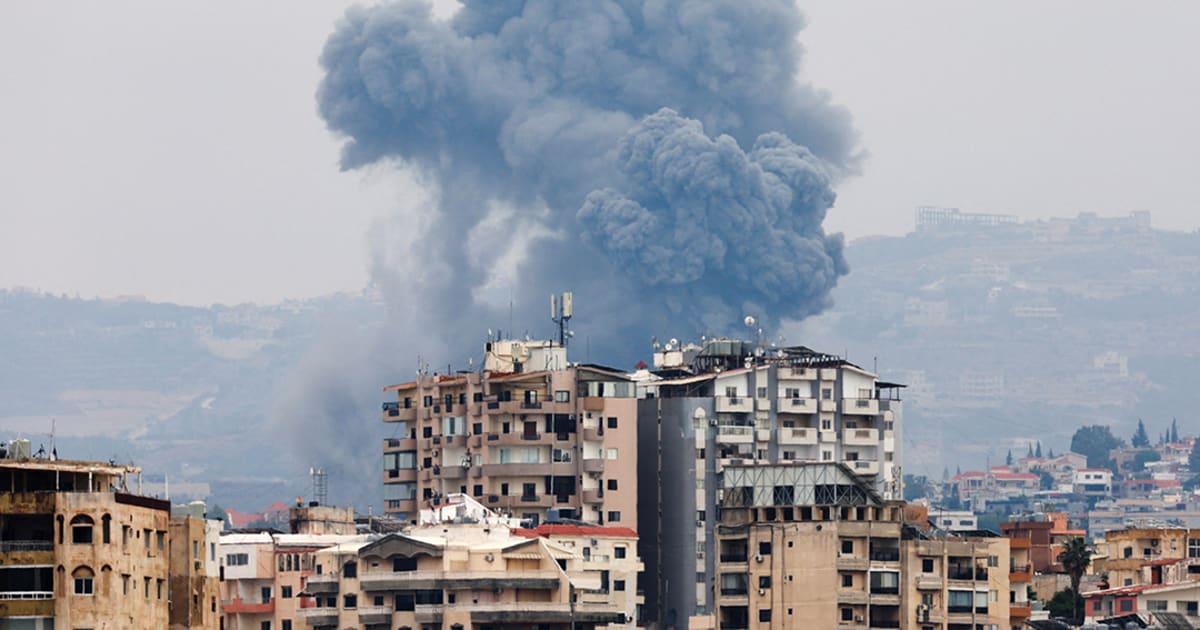
Trump’s remarks came after Iran blamed Israel for striking facilities in South Pars and then retaliated by firing missiles at energy targets in the Gulf, including Qatar. Reuters reported that the attack on South Pars marked a major escalation and sent oil prices sharply higher, while the fallout raised concern that Iran could widen its response to include more oil and gas assets across the region.
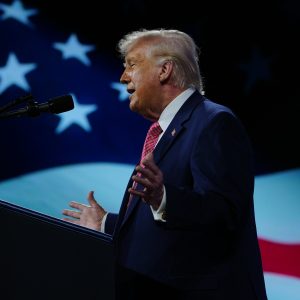
At the same time, Trump paired his denial with an unusually blunt warning. Multiple reports say he declared that if Iran attacks Qatar’s LNG facilities again, the US would respond by “massively blow[ing] up” the entirety of South Pars. That threat signals two things at once: first, an effort to reassure Qatar and other Gulf allies that Washington will deter further attacks on their infrastructure; second, a readiness to escalate militarily around one of the most economically sensitive energy assets in the world.
This makes Trump’s message both defensive and coercive. On one side, he is trying to separate the US and Qatar from Israel’s action. On the other, he is making clear that any future Iranian strike on Qatari LNG infrastructure could trigger a much larger American response. The political logic is straightforward: protect relations with Doha, preserve Gulf energy stability, and prevent Iran from broadening its retaliation in ways that could shock the global economy.
The mention of Qatar is especially important because the country is one of the world’s top LNG exporters, and any successful strike on Ras Laffan or associated facilities would have repercussions far beyond the Gulf. Euronews reported that Qatar’s Ras Laffan facility suffered significant damage in the latest round of attacks, while Bloomberg described extensive damage at Ras Laffan Industrial City, home to the world’s largest LNG export complex. Even the threat of repeated attacks is enough to rattle gas markets, shipping routes and energy-importing countries across Asia and Europe.
Trump’s intervention also effectively confirms that Israel was responsible for the South Pars strike, even though Israel did not publicly claim it in the same way. That matters diplomatically because it sharpens the distinction between Israeli military action and direct US action at a moment when Washington may want to avoid being seen as owning every move in the conflict. By stating that the US was unaware, Trump appears to be drawing a line between alliance coordination and operational responsibility.
Still, the denial may not fully quiet skepticism. Reports referenced the broader context of a US-Israeli campaign against Iran, which means regional actors may continue to view Israeli and American actions as strategically connected even if Washington denies knowledge of a specific strike. That gap between formal denial and regional perception is one reason the crisis remains so dangerous. Even if Trump’s statement is intended as de-escalatory toward Qatar, Tehran may not interpret it that way.
For Qatar, Trump’s comments amount to a public endorsement at a delicate moment. By saying Doha was unfairly attacked, he is signaling that the US views Qatar as an unjustly hit partner rather than a co-belligerent. That could help shield Qatar diplomatically and reinforce deterrence against more strikes on its gas infrastructure. But it also places Qatar even more visibly inside the strategic perimeter the US says it is prepared to defend.
The broader risk now is clear. South Pars matters to Iran. Ras Laffan matters to Qatar. Both matter to global energy markets. When strikes and threats start centering on gas hubs instead of only military targets, the conflict begins to endanger the economic backbone of the Gulf. That is why Trump’s denial of US involvement is only one part of the story; the larger issue is that the war is moving into energy infrastructure with potentially global consequences.
In practical terms, Trump is trying to do three things at once: distance Washington from Israel’s attack on South Pars, reassure Qatar after Iranian retaliation, and deter Tehran from repeating attacks on LNG assets. Whether that combination reduces tensions or increases them will depend on what Iran, Israel and Gulf states do next. As of Thursday, March 19, 2026, the message from Trump is unmistakable: the US says it did not take part in the South Pars strike, but it is prepared to respond forcefully if Qatar is targeted again.
This article may be prepared with the assistance of artificial intelligence (AI) and is reviewed before publication. While we aim for accuracy and timeliness, readers should verify important facts from official or primary sources. If you believe any information is inaccurate or that any content infringes your rights, please contact ainewsbreaking.com for review and appropriate action.