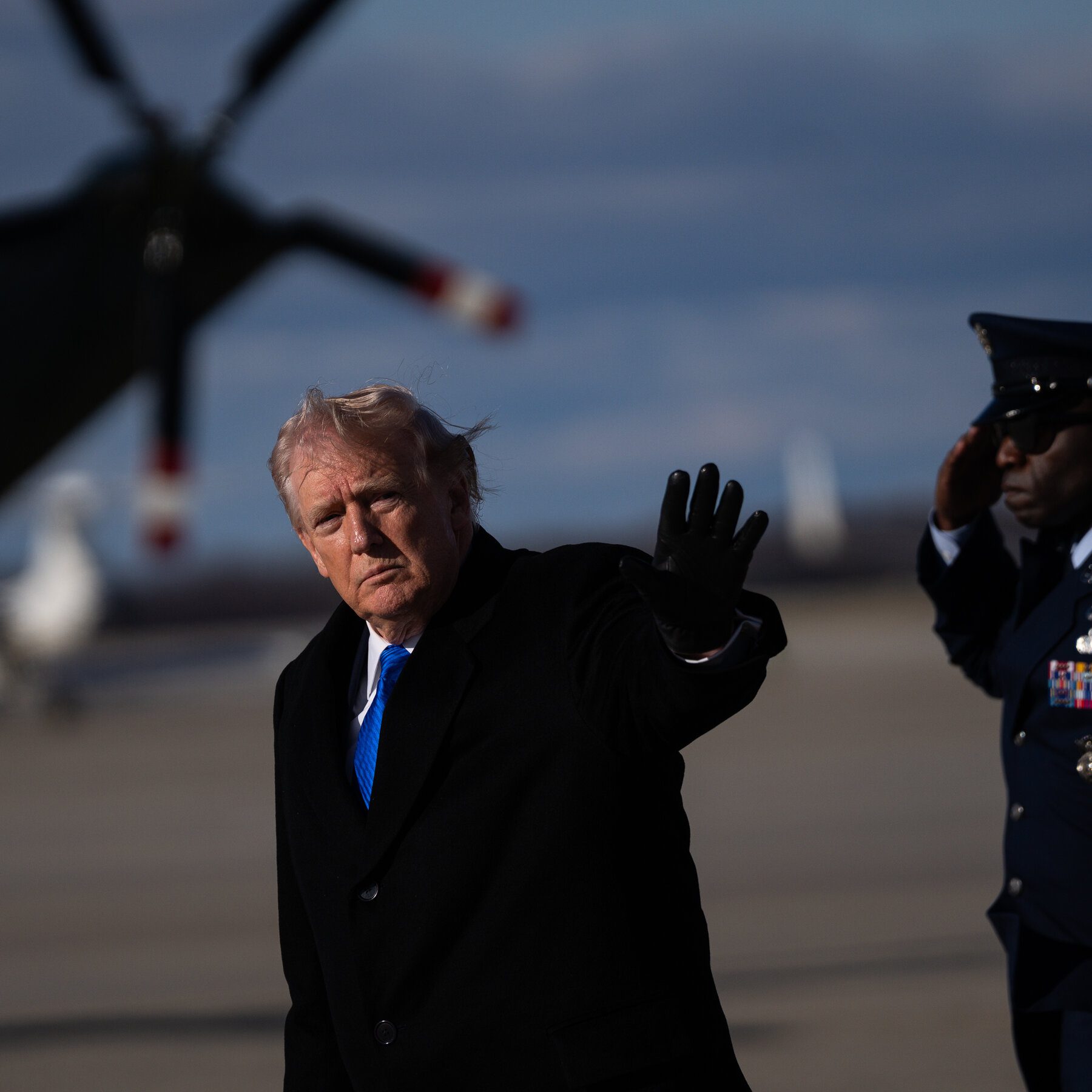
Trump Claims Iran Agrees to ‘Never’ Build Nuclear Weapons as US Deploys Thousands More Troops Amid Escalating Middle East Crisis
The ongoing crisis in the Middle East has entered a highly volatile and unpredictable phase, with diplomatic signals, military escalation, and geopolitical maneuvering unfolding simultaneously. At the center of the latest developments is former US President Donald Trump, who has claimed that Iran has agreed to “never” develop nuclear weapons—an assertion that, if verified, could mark a turning point in one of the most dangerous global conflicts of recent years.
However, even as Trump projected optimism about a potential diplomatic breakthrough, reports emerged that the United States is preparing to send thousands of additional troops to the region. This apparent contradiction—between peace claims and military buildup—highlights the fragile and complex nature of the crisis.
Trump’s Claim: Iran Ready to Abandon Nuclear Weapons
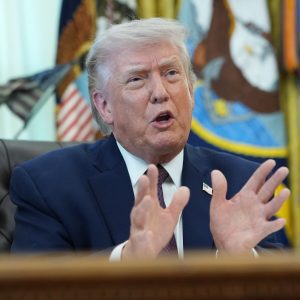
Speaking from the Oval Office, Trump asserted that Iran had effectively conceded on one of the most contentious issues driving the conflict: its nuclear ambitions. He stated that Iranian representatives were engaging in meaningful dialogue and had “agreed they will never have a nuclear weapon.”
According to Trump, discussions were ongoing with what he described as the “right people,” suggesting backchannel diplomacy or indirect negotiations facilitated by intermediaries. He emphasized that Iran was eager to reach a deal, claiming that Tehran “want[s] to make a deal so badly.”
This statement marks a notable shift in rhetoric compared to previous weeks, when US officials had warned of imminent military action if Iran failed to comply with demands to dismantle its nuclear program. It also aligns with longstanding US policy goals aimed at preventing Iran from acquiring nuclear weapons capability.
Yet, Trump stopped short of providing concrete details about any formal agreement, raising questions about whether Iran has indeed made binding commitments or whether the remarks reflect preliminary discussions.
Military Buildup Continues Despite Diplomatic Signals
Even as Trump highlighted progress on the diplomatic front, reports indicated that the United States is significantly increasing its military presence in the Middle East.
According to multiple sources, Washington has approved the deployment of more than 1,000 additional troops, with some reports suggesting that elite units such as the 82nd Airborne Division may be sent to the region.
This move is part of a broader military buildup that has been underway for weeks, involving aircraft carriers, air defense systems, and strategic bombers. The deployment reflects concerns that the conflict could escalate further, particularly if negotiations fail or if hostilities intensify.
Critics argue that such a buildup risks undermining diplomatic efforts by signaling aggression, while supporters contend that military pressure is necessary to bring Iran to the negotiating table.
A War Already in Motion
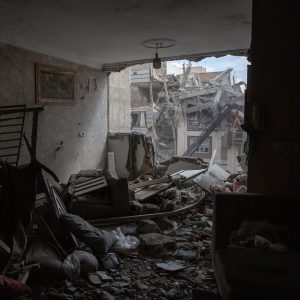
The crisis is not merely a diplomatic standoff—it is an active conflict involving multiple actors across the region. Reports indicate that hundreds of US troops have already been wounded, while military engagements continue in several theaters.
In Lebanon, Israeli airstrikes have reportedly killed civilians, while Hezbollah has warned that Israeli plans to expand control in southern Lebanon constitute an “existential threat.”
Meanwhile, Iran has vowed to continue fighting until achieving what it calls “complete victory,” signaling that it is not prepared to concede easily despite Trump’s claims of progress.
The situation is further complicated by incidents such as drone attacks on infrastructure, including a reported strike that sparked a fire at Kuwait airport.
These developments underscore the regional nature of the conflict, which extends far beyond US-Iran tensions and involves a network of allies and proxy groups.
The Nuclear Issue: Core of the Conflict
At the heart of the crisis lies Iran’s nuclear program, which has been a source of international concern for decades.
The United States and its allies have long accused Iran of pursuing nuclear weapons capability, while Tehran insists that its program is intended solely for civilian purposes, such as energy production.
The 2015 Joint Comprehensive Plan of Action (JCPOA) had previously placed restrictions on Iran’s nuclear activities in exchange for sanctions relief. However, the US withdrawal from the agreement in 2018 led to renewed tensions and the collapse of the deal.
Since then, both sides have struggled to reach a new agreement, with negotiations repeatedly stalling over key issues such as uranium enrichment, missile programs, and regional influence.
Recent reports suggest that the US has proposed a comprehensive plan requiring Iran to halt enrichment, limit missile capabilities, and cease support for proxy groups, while offering sanctions relief and assistance with civilian nuclear projects in return.
Whether Iran is willing to accept these terms remains uncertain.
Conflicting Narratives and Lack of Verification
One of the most striking aspects of Trump’s claim is the lack of independent verification.
While he has stated that Iran has agreed to never develop nuclear weapons, there has been no official confirmation from Tehran. In fact, Iranian officials have consistently maintained that they do not seek nuclear weapons but also insist on their right to pursue nuclear technology for peaceful purposes.
This discrepancy raises the possibility that Trump’s statement may reflect a negotiating position rather than a finalized agreement.
International bodies such as the International Atomic Energy Agency (IAEA) have also played a key role in monitoring Iran’s nuclear activities. While inspectors have found no definitive evidence of an active weapons program, they have expressed concerns about limited access and transparency.
As a result, the true status of Iran’s nuclear ambitions remains a matter of debate.
Global Reactions and Diplomatic Pressure
The unfolding crisis has prompted reactions from governments around the world.
France has urged Iran to engage “in good faith” in negotiations, reflecting broader European concerns about the potential for escalation.
At the same time, reports suggest that Pakistan may be attempting to broker peace talks between the US and Iran, highlighting the involvement of regional actors in diplomatic efforts.
The European Union and other international stakeholders are also closely monitoring the situation, given its implications for global security and energy markets.
Economic Impact: Oil Prices and Global Markets
The crisis has had a significant impact on global markets, particularly oil prices.
Reports indicate that oil prices dropped by more than 5% following news of a potential peace plan from the US, suggesting that markets are responding positively to the prospect of de-escalation.
However, analysts warn that the situation remains highly volatile, and any escalation could lead to sharp increases in energy prices, with far-reaching consequences for the global economy.
The Strait of Hormuz, a critical chokepoint for global oil shipments, remains a focal point of concern. Ensuring its continued operation is seen as essential to maintaining energy stability.
Human Cost and Regional Instability
Beyond geopolitics and economics, the crisis has had a profound human impact.
Civilians in affected areas face displacement, casualties, and uncertainty as hostilities continue. Infrastructure damage and disruptions to essential services have further exacerbated the situation.
The involvement of multiple countries and non-state actors has also increased the risk of a broader regional war, raising concerns about long-term stability in the Middle East.
Strategic Calculations: Why Now?
The timing of Trump’s statements and the US military buildup raises important questions about strategic intent.
Some analysts believe that the combination of diplomatic outreach and military pressure is designed to force Iran into making concessions. Others argue that the approach risks miscalculation and unintended escalation.
The US has historically used a strategy of “maximum pressure” to influence Iran’s behavior, combining economic sanctions with military deterrence.
Whether this strategy will succeed in achieving a lasting agreement remains uncertain.
The Road Ahead: Deal or Escalation?
As the situation continues to evolve, several possible scenarios emerge:
1. Diplomatic Breakthrough
If Trump’s claims are accurate and negotiations progress, a new agreement could be reached, potentially reducing tensions and stabilizing the region.
2. Prolonged Standoff
Talks could continue without a clear resolution, maintaining the current state of uncertainty and sporadic conflict.
3. Escalation into Wider War
If negotiations fail or if incidents trigger retaliation, the conflict could escalate into a broader regional or even global confrontation.
This article may be prepared with the assistance of artificial intelligence (AI) and is reviewed before publication. While we aim for accuracy and timeliness, readers should verify important facts from official or primary sources. If you believe any information is inaccurate or that any content infringes your rights, please contact ainewsbreaking.com for review and appropriate action.