Trump Indicates Possible End to Iran War, Questions NATO Support Amid Escalating Tensions
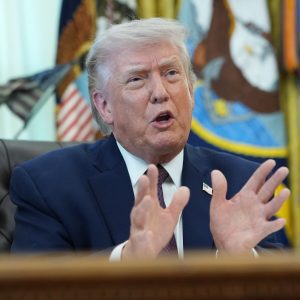
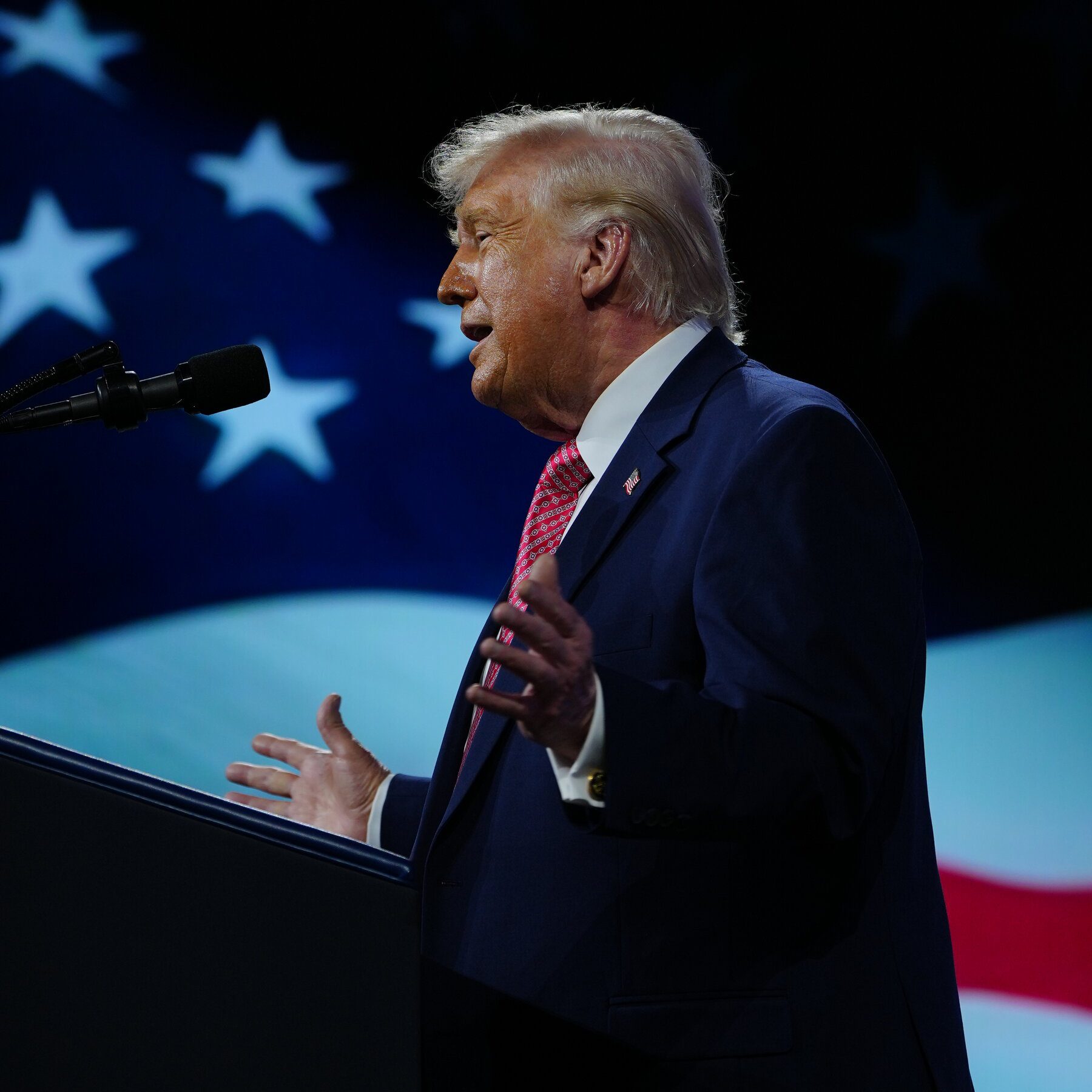
In a dramatic turn of events, President Trump signaled that the United States may soon wind down its military campaign against Iran, while also criticizing its allies for not providing adequate support. Speaking in a public address, Trump suggested that the U.S. presence in the Middle East may be ending within the next three weeks. This development comes amidst escalating tensions between the U.S. and Iran, which has responded aggressively to the U.S. military presence.
The President’s remarks were met with confusion and surprise from many observers, who are still grappling with the full implications of his comments. Trump stated that he was considering leaving NATO, citing the alliance’s failure to provide sufficient support for his military campaign against Iran. This move would be a significant departure from the United States’ long-standing commitment to the alliance, which has been a cornerstone of Western security policy for decades.
Trump’s comments came as Iran’s military has been actively contesting the U.S. presence in the region, including the closure of the Strait of Hormuz, a critical waterway through which a significant portion of the world’s oil supplies pass. While Trump suggested that the Strait’s closure would be a problem for others to solve, it remains unclear what specific steps the U.S. would take to address this issue.
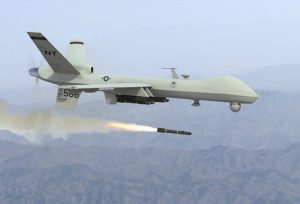
The United States and Iran have been locked in a cycle of escalation and counter-escalation since a U.S. drone strike earlier this month killed a top Iranian military commander. The U.S. has since deployed additional military assets to the region, while Iran has retaliated with missile strikes against U.S. military bases in Iraq.
The diplomatic and military standoff between the U.S. and Iran has drawn in other nations and international organizations, including the United Nations, which has called for restraint from all parties involved. European leaders have also expressed growing concern over the escalating tensions between the U.S. and Iran, with some calling for a renewed push towards diplomacy.
The potential for a wider conflict in the region remains high, with many analysts warning that the situation is increasingly volatile. As the world waits with bated breath for the next development in this escalating crisis, one thing is clear: the U.S. presence in the Middle East is about to undergo significant change.
The implications of Trump’s comments for the future of NATO and the United States’ role in the region are significant, and will likely be subject to intense scrutiny and debate in the days
This article may be prepared with the assistance of artificial intelligence (AI) and is reviewed before publication. While we aim for accuracy and timeliness, readers should verify important facts from official or primary sources. If you believe any information is inaccurate or that any content infringes your rights, please contact ainewsbreaking.com for review and appropriate action.