Trump Warns Iran, Threatening Military Action After Dramatic Rescue from Afghanistan
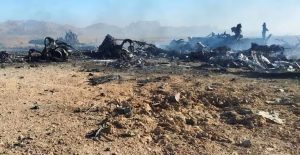
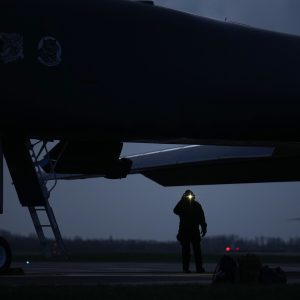
A high-risk rescue mission that successfully extracted 22 American and allied personnel from Afghanistan has left President Donald Trump with renewed confidence to tackle international tensions, particularly with Iran. In a stern warning posted on social media, the President expressed frustration with Iran’s control of the Strait of Hormuz, one of the world’s most critical oil shipping routes.
The rescue operation, conducted with the assistance of US military units and local forces, brought an end to the tense standoff that had unfolded in the war-torn country. As the situation returned to a semblance of normalcy, President Trump seized the opportunity to reassert his administration’s stance on the Iran-US relations.
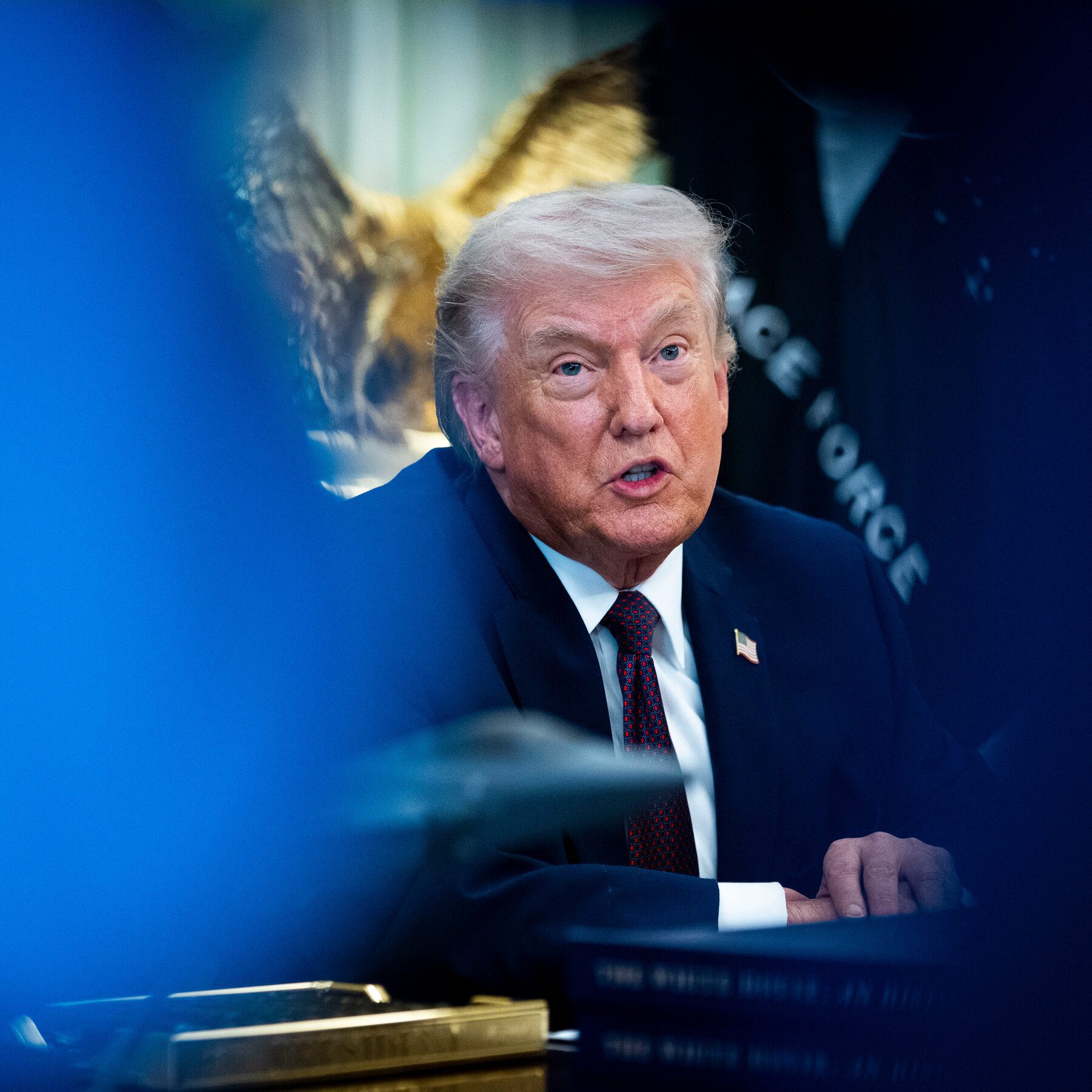
In an expletive-filled post on social media, President Trump stated that Iran should promptly open the Strait of Hormuz or else face severe consequences, including the targeting of key infrastructure. He specifically mentioned that the US would bomb bridges and power plants to force Iran’s compliance.
The Strait of Hormuz is a vital trade artery, facilitating the transportation of a significant portion of the world’s oil supply. Iranian forces have previously disrupted the flow of oil through the strait, causing global economic concerns. It remains to be seen how Iran will respond to President Trump’s latest statement of intent.
Iran has consistently maintained its control over the Strait of Hormuz as a matter of principle, and the country has not hesitated to take action when it feels its sovereignty is threatened. Any potential military action by the US could lead to a volatile escalation of the situation.
As international observers closely watch the unfolding drama, world leaders are waiting for President Trump’s next move. One thing, however, is certain: the United States and Iran are headed for a pivotal showdown over this critical oil chokepoint.
Despite the looming uncertainty, diplomats and military strategists continue to analyze the complex web of interests in the region, searching for a way to avoid a catastrophic confrontation and maintain stability in the Persian Gulf.
This article may be prepared with the assistance of artificial intelligence (AI) and is reviewed before publication. While we aim for accuracy and timeliness, readers should verify important facts from official or primary sources. If you believe any information is inaccurate or that any content infringes your rights, please contact ainewsbreaking.com for review and appropriate action.