
Trump’s Reversal of Bipartisan Foreign Aid Programs Sparks Growing Concerns
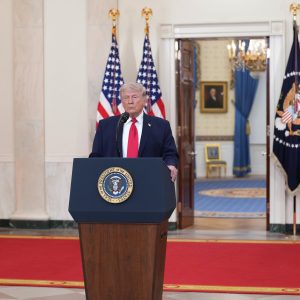
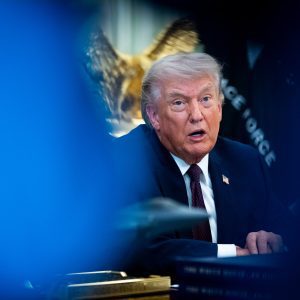
In a move that has left many in the international development community grappling with uncertainty, President Trump has initiated significant cuts to previously bipartisan foreign aid programs. The decision, which was largely approved by the Republican-led Congress, has reversed funding for initiatives that were once widely supported by lawmakers from both parties.
The reversal comes on the heels of years of bipartisan support for key foreign aid initiatives. Many of the programs affected by the cuts had received backing from prominent lawmakers, including Democrats and Republicans, who had long advocated for their continued funding. These initiatives, which were designed to promote global stability, economic growth, and humanitarian aid, had become cornerstones of the United States’ foreign policy efforts.
According to sources, the cuts are part of a broader effort to redirect resources toward defense spending and other priorities championed by the administration. The move has been met with resistance from lawmakers on both sides of the aisle, who argue that the affected programs are crucial to advancing U.S. interests abroad.
The impacted programs have received millions of dollars in funding over the years, with some initiatives supporting initiatives aimed at combating global poverty, disease, and hunger. Other programs focused on promoting economic development, improving governance, and enhancing cybersecurity in vulnerable regions.
Critics argue that the cuts will have far-reaching consequences for communities in need around the world, and that the decision undermines years of bipartisan cooperation on foreign aid. In response to the cuts, some lawmakers have vowed to reintroduce legislation aimed at restoring funding for the affected programs.
As the U.S. continues to navigate complex global challenges, the reversal of bipartisan support for foreign aid programs has raised concerns among policymakers and aid organizations about the long-term implications of the decision. The development highlights the contentious nature of U.S. foreign policy, and the challenges of advancing bipartisan cooperation in a fractious Washington landscape.
This article may be prepared with the assistance of artificial intelligence (AI) and is reviewed before publication. While we aim for accuracy and timeliness, readers should verify important facts from official or primary sources. If you believe any information is inaccurate or that any content infringes your rights, please contact ainewsbreaking.com for review and appropriate action.