
Tuberculosis Cases on the Rise: Understanding the Threat of Drug-Resistant TB in India
A growing health concern in India is the increasing prevalence of drug-resistant tuberculosis, a potentially deadly disease that is difficult to treat. As reported by various medical practitioners and health experts, the number of TB cases in India has been steadily rising, with a significant proportion of these cases being drug-resistant. This development has significant implications for public health in the country, particularly in terms of the challenges it poses for effective treatment and disease management.
India has long struggled with tuberculosis, accounting for a substantial proportion of global TB cases. The disease is usually treatable with antibiotics, but the emergence of drug-resistant strains has complicated treatment efforts. According to health experts, the primary cause of drug-resistant TB is the misuse or overuse of antibiotics, which can lead to the development of bacteria that are resistant to these drugs.
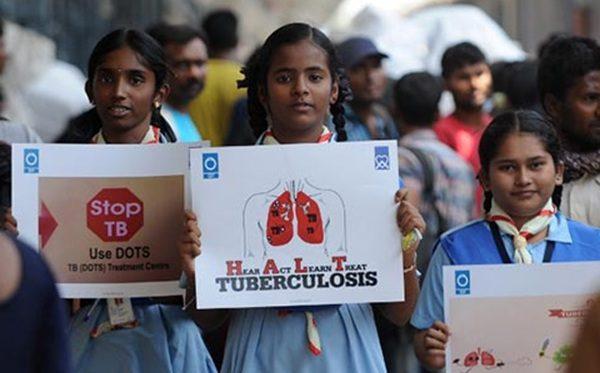
The Indian government has implemented various initiatives to combat the spread of TB, including awareness campaigns and improved diagnostic facilities. However, despite these efforts, the disease remains a significant health challenge in the country. Health practitioners emphasize the need for a multi-faceted approach to address the issue, including improved patient care, enhanced diagnostic capabilities, and more effective treatment protocols.
Effective management of drug-resistant TB requires a comprehensive treatment plan, often involving a combination of different antibiotics. This approach can be complex and challenging, particularly in resource-constrained settings. Health experts stress the importance of adherence to treatment protocols, as well as the need for ongoing monitoring and evaluation to ensure that patients receive the most effective treatment possible.
In recent years, there have been significant advancements in the diagnosis and treatment of TB, including the development of new diagnostic technologies and the introduction of novel antibiotics. These developments offer hope for improved treatment outcomes and better management of the disease. However, much work remains to be done to address the growing threat of drug-resistant TB in India, and health practitioners are calling for increased awareness, improved resources, and enhanced collaboration to combat this significant public health challenge.
As the Indian government and health practitioners continue to grapple with the issue of drug-resistant TB, it is clear that a sustained and multi-faceted effort will be required to effectively manage the disease. By improving awareness, enhancing treatment capabilities, and promoting collaboration among health professionals, India can work towards reducing the burden of TB and improving health outcomes for those affected by the disease.
The World Health Organization has also been working closely with the Indian government to support TB control efforts, providing technical assistance and expertise to help strengthen the country’s health systems. This collaboration has been instrumental in supporting the development of effective TB management strategies and promoting the adoption of best practices in TB care.
Ultimately, addressing the challenge of drug-resistant TB in India will require a long-term commitment to improving public health infrastructure, enhancing patient care, and promoting awareness about the disease. By working together, health practitioners, policymakers, and community leaders can help to reduce the burden of TB and promote better health outcomes for individuals and communities across the country.
This article may be prepared with the assistance of artificial intelligence (AI) and is reviewed before publication. While we aim for accuracy and timeliness, readers should verify important facts from official or primary sources. If you believe any information is inaccurate or that any content infringes your rights, please contact ainewsbreaking.com for review and appropriate action.