U.S. Sanctions Pause Gives Russia Political and Economic Boost as Iran War Sends Oil Prices Soaring
The ongoing Iran war and turmoil in the Middle East energy market have unexpectedly handed Russia a major economic and political advantage, after the United States temporarily eased sanctions on Russian oil to stabilize global fuel prices. The decision—taken amid soaring oil prices and disruptions in the Persian Gulf—has triggered sharp criticism from Western allies and Ukraine, who warn that the move could indirectly strengthen Moscow while the war in Ukraine continues.
The temporary sanctions pause allows millions of barrels of Russian oil stranded at sea to be sold on global markets, including shipments to major buyers such as India. Washington says the measure is a short-term step aimed at easing energy supply shortages caused by the conflict with Iran. However, critics argue that the decision provides Moscow with both financial relief and diplomatic leverage at a time when Western pressure on Russia was beginning to bite.
Energy Crisis Triggered by Iran War
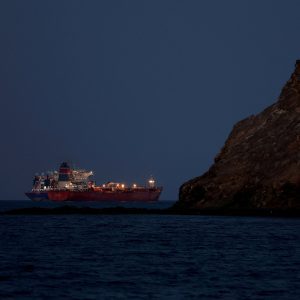
The conflict involving Iran has disrupted energy supplies across the Middle East, particularly around the Strait of Hormuz, one of the world’s most critical oil shipping routes. Attacks on ships and fears of a blockade have slowed tanker traffic and rattled global energy markets.
As a result, Brent crude prices surged above $100 per barrel, marking the first time oil has crossed that level in years.
Such a sudden price spike threatens inflation worldwide, forcing governments to scramble for emergency measures to stabilize markets. In response, the U.S. administration issued a 30-day waiver allowing certain Russian oil transactions, particularly involving cargoes already loaded on tankers before sanctions restrictions were tightened.
Officials insist the move is temporary and designed to prevent a global energy shock while the war with Iran continues.
Russia Gains as Oil Prices Rise
Ironically, the same conflict that Washington is trying to contain has strengthened Russia’s economic position.
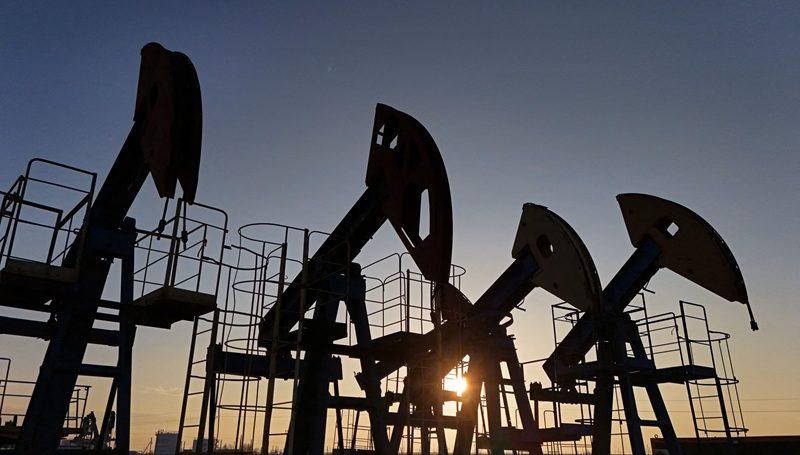
Russia is one of the world’s largest oil exporters, and higher oil prices directly boost its export revenues. Even when sanctions force Moscow to sell crude at a discount, the rise in global prices increases the value of its shipments.
Analysts say the Iran war is creating a “perfect storm” for Russia’s energy sector, allowing the country to earn more from oil exports just as the United States relaxes restrictions on some shipments.
According to economic observers, rising energy prices combined with sanctions relief could generate billions of dollars in additional revenue for Moscow’s state budget—money that critics say may help fund the ongoing war in Ukraine.
European officials have already warned that easing sanctions during the crisis could strengthen Russia’s ability to continue military operations.
Political Backlash From Allies
The U.S. sanctions pause has sparked strong criticism from several Western leaders and Ukraine.
Ukrainian President Volodymyr Zelenskyy described the waiver as a dangerous move that could funnel billions of dollars into Russia’s war effort. He warned that easing restrictions undermines the global coalition trying to pressure Moscow economically.
European leaders echoed similar concerns. German Chancellor Friedrich Merz criticized the decision to relax sanctions on Russian oil, arguing that it sends the wrong signal at a time when Western nations are trying to maintain unity against Russia’s invasion of Ukraine.
French President Emmanuel Macron also warned that energy disruptions caused by the Iran conflict should not be used as justification for loosening sanctions on Moscow.
Many European policymakers fear that temporary sanctions relief could weaken the pressure campaign designed to limit Russia’s financial ability to sustain its military operations.
Russia Welcomes the Move
In contrast, Moscow has welcomed the U.S. decision, framing it as proof that Russian energy remains essential to global markets.
The Kremlin has repeatedly argued that Western sanctions on Russian oil are counterproductive and destabilize global energy supplies.
Following the sanctions pause, Russian shipping networks reportedly began redirecting oil tankers toward Asia, particularly India and China, where demand for discounted Russian crude remains strong.
Officials in Moscow say the move demonstrates that Russia is a reliable supplier capable of stabilizing global markets during crises.
India and the Global Oil Trade
One of the biggest beneficiaries of the sanctions waiver is India, which has significantly increased its purchases of Russian crude since Western sanctions were first imposed.
The waiver allows Indian refiners to buy Russian oil that was previously stranded at sea due to sanctions restrictions. This helps keep supplies flowing to the world’s third-largest oil consumer during a period of extreme volatility in global markets.
For India, access to discounted Russian oil has been crucial in controlling fuel prices and managing inflation. The Iran war has made those supplies even more valuable.
Strategic Distraction From Ukraine War
Beyond the economic benefits, analysts say the Iran conflict is also providing Russia with a geopolitical advantage.
As the United States and its allies focus military and diplomatic resources on the Middle East crisis, international attention is shifting away from Russia’s war in Ukraine.
European officials have warned that this shift in focus could give Moscow greater freedom to pursue its military objectives without facing the same level of scrutiny or pressure from Western governments.
Some policymakers have gone so far as to call Russia the “only clear winner” of the Iran war so far, due to the combined effects of rising oil prices and shifting global attention.
Oil Markets Under Extreme Pressure
The energy market turbulence created by the Iran conflict has forced governments worldwide to consider emergency measures.
Key developments include:
- Emergency releases of strategic oil reserves by major economies
- Rising insurance costs for ships traveling through the Persian Gulf
- Increased naval patrols in key shipping lanes
- Temporary policy changes such as the U.S. sanctions waiver
Despite these steps, energy markets remain extremely volatile, with analysts warning that any escalation in the Iran conflict could send oil prices much higher.
Some forecasts even suggest that crude prices could approach $150 or more per barrel if the Strait of Hormuz were completely closed.
Temporary Measure or Policy Shift?
The U.S. government insists that the sanctions waiver is a short-term emergency measure rather than a broader shift in policy toward Russia.
Officials say the license applies only to oil shipments already at sea and does not signal a permanent easing of sanctions on Russian energy exports.
However, critics worry that once markets become reliant on these supplies again, political pressure could grow to extend the waiver beyond its initial deadline.
If that happens, Russia could enjoy sustained economic benefits from the global energy crisis.
The Geopolitical Stakes
The controversy surrounding the sanctions pause highlights the complex geopolitical consequences of the Iran war.
Three major trends are emerging:
- Energy markets are becoming increasingly unstable, with oil prices reacting sharply to geopolitical tensions.
- Russia is benefiting economically from higher oil prices, even as Western sanctions remain in place.
- Allies are divided over how to balance energy security with sanctions enforcement.
The situation illustrates how conflicts in one region can produce unexpected ripple effects across the global economy and international politics.
This article may be prepared with the assistance of artificial intelligence (AI) and is reviewed before publication. While we aim for accuracy and timeliness, readers should verify important facts from official or primary sources. If you believe any information is inaccurate or that any content infringes your rights, please contact ainewsbreaking.com for review and appropriate action.