**UN Bid to Authorize Force to Secure Strait of Hormuz Fails Amid Council Opposition**
A proposed resolution aimed at securing the crucial Strait of Hormuz through the authorization of international force has stalled at the United Nations Security Council. The initiative, drafted by Bahrain in coordination with its Gulf neighbors, sought to address growing concerns over maritime safety and regional stability in the region.
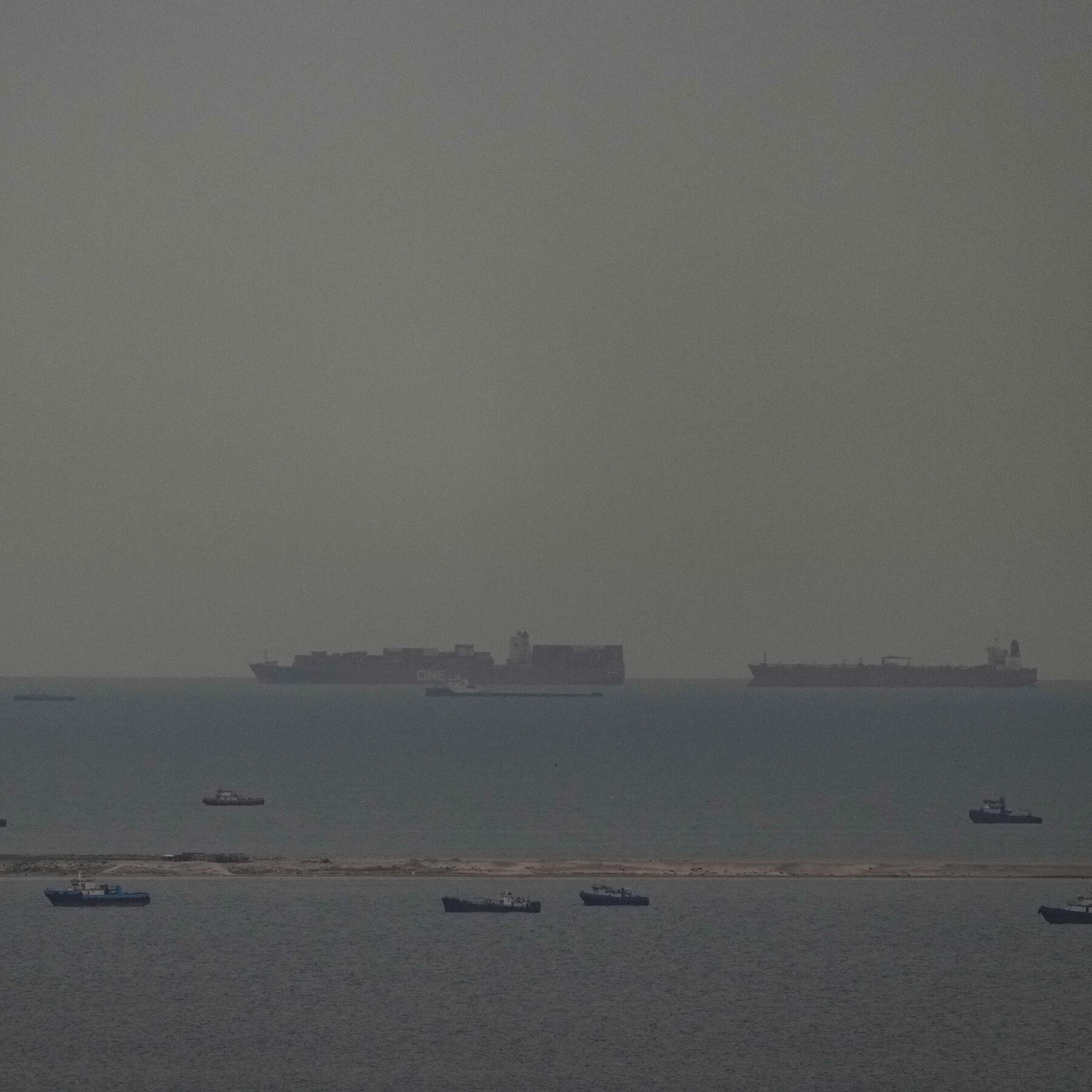
The Strait of Hormuz, a narrow waterway connecting the Persian Gulf to the Gulf of Oman, is a vital shipping route for global oil exports. The area has seen heightened tensions in recent years, particularly between Iran and Saudi Arabia. Bahrain, with support from its Gulf Cooperation Council (GCC) partners, had argued that a UN-backed force would enhance security and prevent potential threats to navigation.
However, the resolution met significant opposition from several permanent members of the Security Council, according to officials familiar with the discussions. Those countries expressed concerns about the implications of authorizing foreign military intervention in the region and the potential for escalating tensions.
The stalemate represents a setback for Bahrain and its Gulf allies, which had sought a collective effort to address their security concerns. The region has faced multiple challenges in recent years, including proxy conflicts in Yemen and Saudi Arabia’s ongoing rivalry with Iran.
No immediate action is expected on the stalled resolution, as diplomats continue to engage in informal consultations to find a mutually acceptable solution. Meanwhile, experts warn that the ongoing instability in the region will persist unless a robust and effective security framework is implemented.
The UN Security Council has a long history of addressing complex regional conflicts through diplomacy and cooperation. The outcome of this resolution highlights the challenges and complexities involved in finding a consensus among nations with competing interests.
For now, the Strait of Hormuz remains a focal point of regional tensions, and its security will continue to be a subject of ongoing discussion and negotiation between regional actors and the international community.
This article may be prepared with the assistance of artificial intelligence (AI) and is reviewed before publication. While we aim for accuracy and timeliness, readers should verify important facts from official or primary sources. If you believe any information is inaccurate or that any content infringes your rights, please contact ainewsbreaking.com for review and appropriate action.