Universities Face Growing Pressure to Disassociate from Epstein’s Associates
A growing movement is urging top universities, including Harvard and Ohio State, to remove the names of high-profile donors with ties to the late financier Jeffrey Epstein from their buildings and facilities. The calls come as students, alumni, and other stakeholders increasingly express concern over the institutions’ ongoing associations with individuals connected to Epstein, who was convicted of sex trafficking and other crimes. Despite the mounting pressure, the universities have yet to take action, sparking further debate and discussion about the issue.
The controversy surrounds a number of prominent donors who have been linked to Epstein, including some who have been accused of enabling or participating in his wrongdoing. These individuals have made significant contributions to various universities, resulting in their names being commemorated on buildings, scholarships, and other programs. However, in the wake of Epstein’s scandal, many are now questioning whether these associations are acceptable and whether the universities should distance themselves from them.
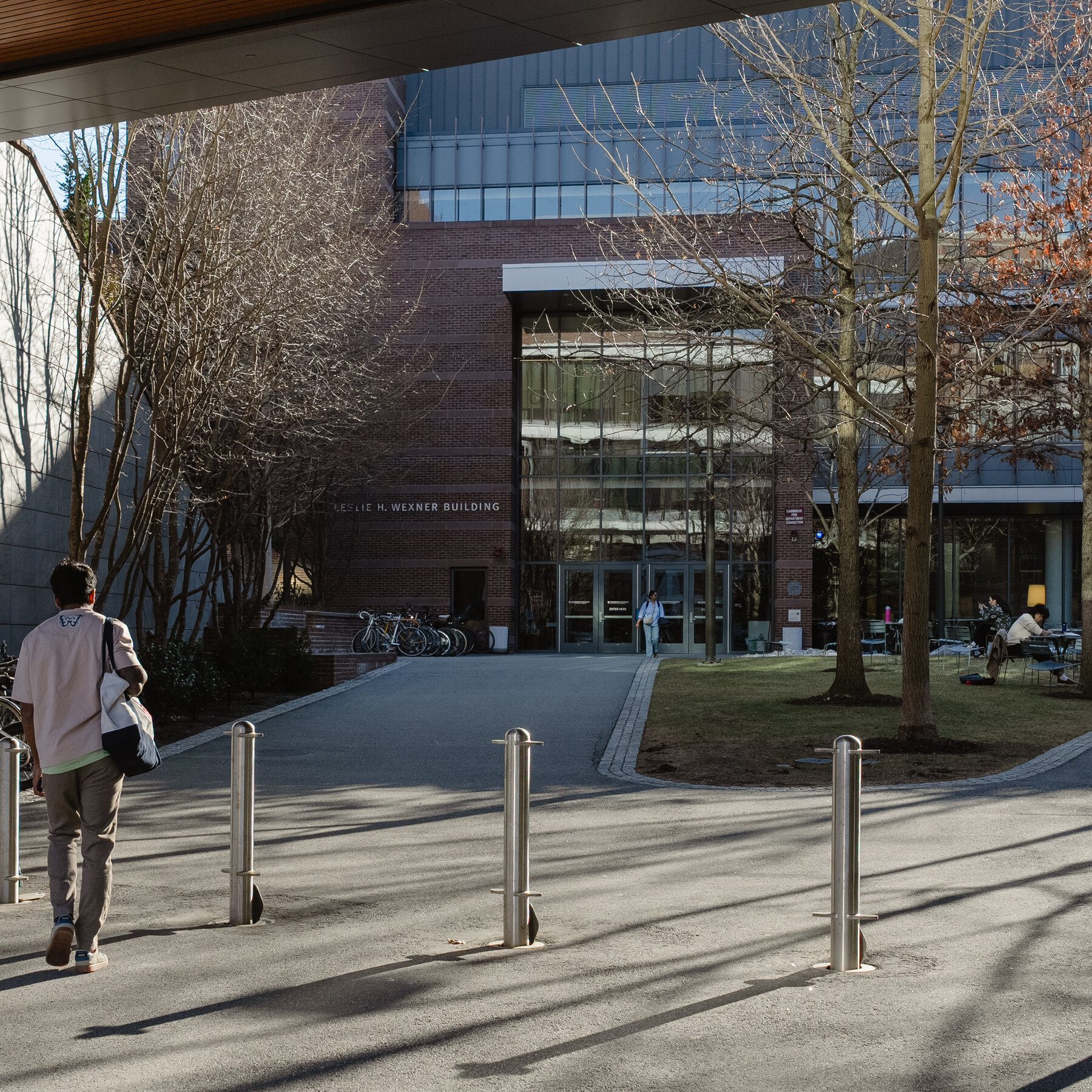
At Harvard University, for example, students and faculty members have been pushing for the removal of the name of billionaire investor Leon Black, who has been accused of having close ties to Epstein, from a university building. Similarly, at Ohio State University, there are calls to rename a building named after Les Wexner, the billionaire founder of L Brands, who has also been linked to Epstein. Both Black and Wexner have denied any wrongdoing, but their connections to Epstein have sparked widespread criticism and outrage.
The universities’ responses to the pressure have been mixed, with some officials acknowledging the concerns while others have remained silent or defended the naming decisions. Harvard University, for instance, has stated that it is reviewing its policies on naming buildings and programs, but has yet to make any concrete decisions. Ohio State University, on the other hand, has said that it will consider renaming the building in question, but only after conducting a thorough review of the matter.
The debate over the naming of university buildings and programs is not new, but the Epstein scandal has brought the issue to the forefront. Many argue that universities have a moral obligation to distance themselves from individuals who have been linked to wrongdoing, even if those individuals have made significant contributions to the institution. Others, however, argue that removing names from buildings and programs is not a straightforward solution and could have unintended consequences.
As the pressure on universities to act continues to build, it remains to be seen how the institutions will respond. One thing is clear, however: the controversy surrounding Epstein’s associates has sparked a long-overdue conversation about the ethics of naming university buildings and programs, and the role that universities play in promoting transparency and accountability.
The movement to remove the names of Epstein’s associates from university buildings is part of a broader effort to hold institutions accountable for their associations and to promote a culture of transparency and accountability. As universities navigate this complex issue, they will need to balance their commitment to academic excellence and philanthropy with their responsibility to uphold ethical standards and protect the well-being of their students and communities.
The outcome of this debate will likely have far-reaching implications for universities and other institutions, and will serve as a test of their commitment to ethical leadership and social responsibility. As the situation continues to unfold, it will be important to monitor the universities’ responses and to hold them accountable for their actions.
This article may be prepared with the assistance of artificial intelligence (AI) and is reviewed before publication. While we aim for accuracy and timeliness, readers should verify important facts from official or primary sources. If you believe any information is inaccurate or that any content infringes your rights, please contact ainewsbreaking.com for review and appropriate action.