
US Administration Remains Cautiously Optimistic Amid Oil Price Volatility, But Long-Term Concerns Persist
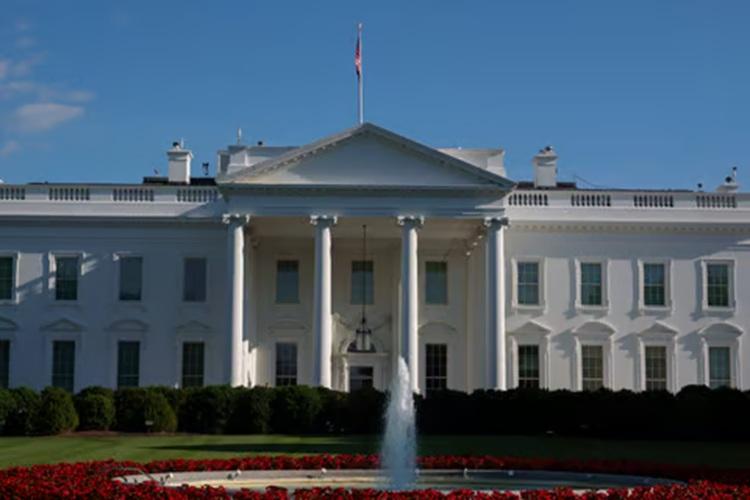
The current administration in the United States is adopting a wait-and-see approach in response to the recent surge in oil prices, indicating a sense of cautious optimism that the situation will stabilize within a few weeks. This posture is underpinned by the belief that the American economy’s resilience, coupled with the anticipated swift resolution of the conflict, will mitigate the adverse effects of heightened oil prices on the nation’s economic recovery. As the global energy landscape continues to evolve, the administration’s strategy is being closely watched, with many analysts questioning whether this optimism is warranted given the complexities and uncertainties surrounding oil markets.
The recent fluctuations in oil prices, which saw a notable decrease to $80 per barrel from $120 over the weekend, have provided a temporary reprieve for the administration. However, according to insiders familiar with the White House’s thinking, there is an acknowledgment that the window for withstanding these price spikes without incurring significant political backlash is relatively narrow, estimated to be around three to four weeks. Beyond this timeframe, the political implications of sustained high oil prices could become more pronounced, potentially affecting consumer confidence and, by extension, the overall health of the economy.
A key consideration for the administration is the need to distinguish between transient fluctuations in oil prices and a more enduring trend that could necessitate a policy adjustment. Former officials from the Trump administration have emphasized the importance of identifying a consistent, multi-week pattern in oil prices before contemplating a change in approach. This measured response is designed to avoid overreacting to short-term market volatility, which can be influenced by a myriad of factors, including geopolitical tensions, production levels, and global demand.
Despite the unexpected severity and rapidity of the recent oil price spike, the administration has opted not to alter its military strategy. Instead, it has focused on reassuring nervous market participants and Republican lawmakers, who are increasingly concerned about the impact of the conflict on oil supply chains and the broader implications for energy affordability. Recent polling data indicates that a significant majority of voters, exceeding 70%, are anxious about the potential for the war to drive up oil and gas prices, highlighting the political sensitivity of this issue.
The White House has sought to calm these concerns by framing the current price increases as “short-term disruptions” that will dissipate once the military objectives are achieved and the situation in the region stabilizes. Spokesperson Taylor Rodgers has conveyed the president’s belief that prices will decrease precipitously following the completion of the military campaign and the neutralization of the Iranian regime. To address the immediate challenges posed by high oil prices, the administration is exploring various options, including the potential lifting of sanctions on Russian oil and signaling a swift resolution to the conflict. However, experts caution that the path to restoring pre-war oil price levels is unlikely to be straightforward, with market psychology and the logistical complexities of restarting oil production in the Gulf region potentially prolonging the adjustment period.
Furthermore, U.S. intelligence has detected preparations by Iran to deploy mines in the Strait of Hormuz, a critical chokepoint for global oil supplies. This development could significantly complicate efforts to normalize oil production and shipping in the aftermath of the conflict, introducing an additional layer of uncertainty into the already volatile oil market. As the situation continues to unfold, the administration’s ability to navigate these challenges and mitigate the long-term consequences of the war on oil prices and the economy will be scrutinized closely. While the current posture of cautious optimism may be understandable given the immediate political and economic considerations, the unfolding dynamics in the oil market and the broader geopolitical landscape will ultimately determine the efficacy of the administration’s strategy.
This article may be prepared with the assistance of artificial intelligence (AI) and is reviewed before publication. While we aim for accuracy and timeliness, readers should verify important facts from official or primary sources. If you believe any information is inaccurate or that any content infringes your rights, please contact ainewsbreaking.com for review and appropriate action.