
US and Iran Signal Willingness to Negotiate Amid Ongoing Middle East Crisis
The US and Iran have indicated a willingness to engage in negotiations, despite initial rejections and ongoing tensions in the Middle East. US President Donald Trump has claimed that Iranian negotiators are eager to reach a deal, but fear being killed by their own side if they do. Meanwhile, Chinese Foreign Minister Wang Yi has expressed optimism about the prospect of talks, stating that both the US and Iran are signaling a willingness to negotiate. This development comes as Iran has rejected a US ceasefire plan and submitted its own proposal, adding a new layer of complexity to the ongoing crisis.
The situation in the Middle East remains volatile, with incidents of violence continuing to occur. In a recent incident, an Israeli soldier was seriously injured in mortar fire at Israeli forces in Lebanon, according to Israel’s military. The soldier was evacuated to a hospital to receive medical treatment, and his family has been notified. The incident highlights the ongoing risks and tensions in the region, and the need for a peaceful resolution to the conflict.
US President Trump has been a key player in the ongoing crisis, and his comments about Iranian negotiators have shed light on the challenges of reaching a deal. According to Trump, Iranian negotiators are afraid of being killed by their own side if they agree to a deal, which has made it difficult to negotiate. Despite these challenges, Trump remains optimistic about the prospect of reaching a deal, and has continued to push for negotiations.
Chinese Foreign Minister Wang Yi has also been involved in efforts to facilitate talks between the US and Iran. In recent comments, Yi expressed optimism about the prospect of negotiations, stating that both sides are signaling a willingness to talk. This development is seen as a positive sign, and has raised hopes that a peaceful resolution to the crisis may be possible.
The rejection of the US ceasefire plan by Iran has added a new layer of complexity to the ongoing crisis. Iran has submitted its own proposal, which is seen as a sign that the country is still open to negotiations. However, the details of the proposal have not been made public, and it is unclear how it will be received by the US and other parties involved in the conflict.
As the situation in the Middle East continues to evolve, the international community is watching with bated breath. The US, Iran, and other parties involved in the conflict are facing increasing pressure to find a peaceful resolution, and the prospect of negotiations offers a glimmer of hope. However, the road ahead is likely to be challenging, and it remains to be seen whether a deal can be reached.
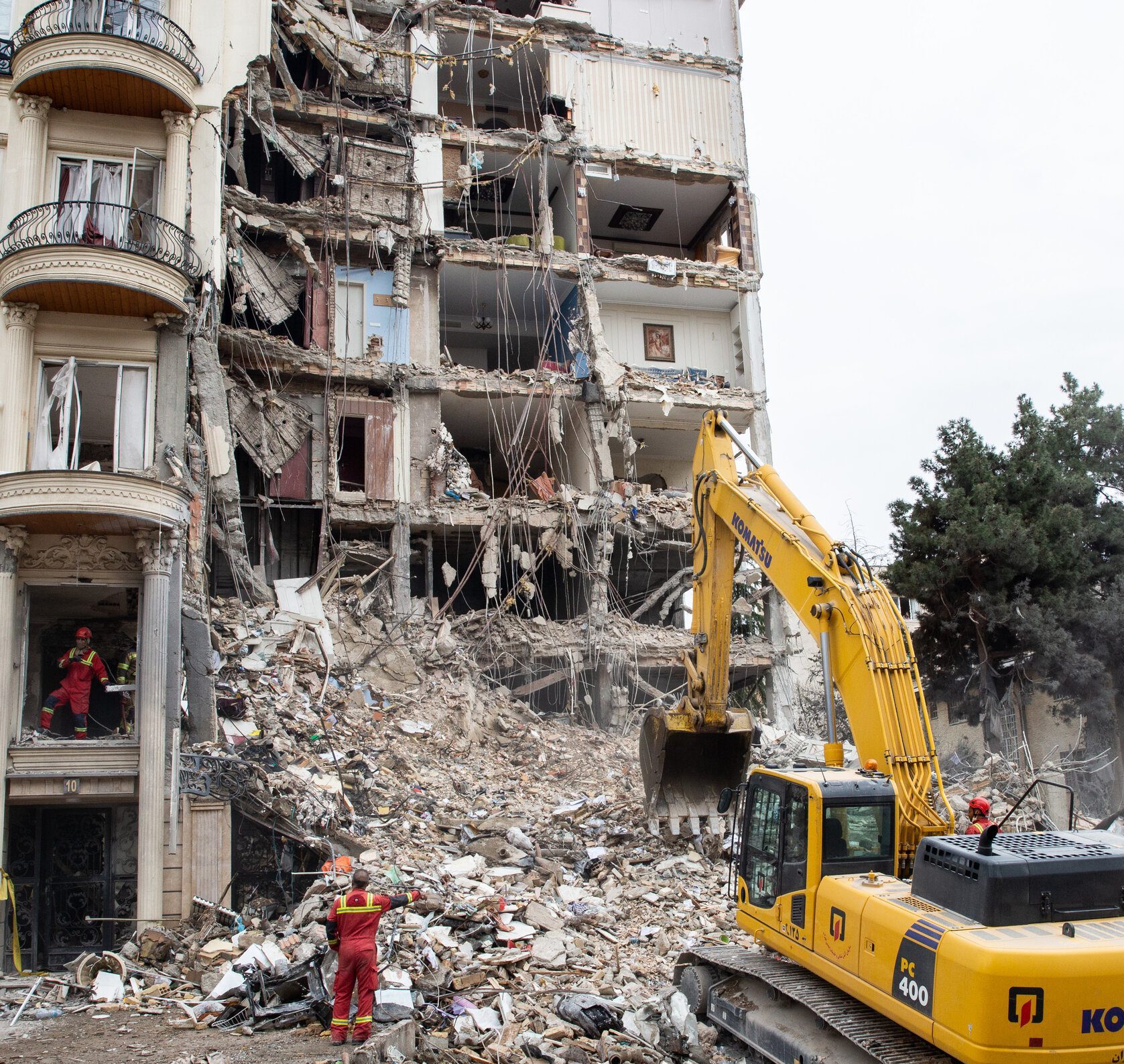
The ongoing crisis in the Middle East has already resulted in significant casualties and damage, and the risk of further escalation remains high. The incident in Lebanon, in which an Israeli soldier was injured, highlights the ongoing risks and tensions in the region. As the situation continues to unfold, the international community is urging all parties involved to exercise restraint and work towards a peaceful resolution.
The push for talks is seen as a positive development, and has raised hopes that a peaceful resolution to the crisis may be possible. However, the challenges ahead are significant, and it will require careful diplomacy and negotiation to reach a deal. As the situation continues to evolve, the international community will be watching with interest to see how the US, Iran, and other parties involved in the conflict respond to the latest developments.
This article may be prepared with the assistance of artificial intelligence (AI) and is reviewed before publication. While we aim for accuracy and timeliness, readers should verify important facts from official or primary sources. If you believe any information is inaccurate or that any content infringes your rights, please contact ainewsbreaking.com for review and appropriate action.