Strait of Hormuz Showdown: US Declares Strategic Victory After Crippling Iran’s Military Capabilities
The United States has claimed a major strategic victory in the volatile waters of the Strait of Hormuz, asserting that recent military actions have significantly disrupted Iran’s ability to threaten one of the world’s most critical and trade chokepoints. The development marks a turning point in the escalating tensions between United States and Iran, with far-reaching implications for global security, energy markets, and regional stability.
Background: Why the Strait of Hormuz Matters
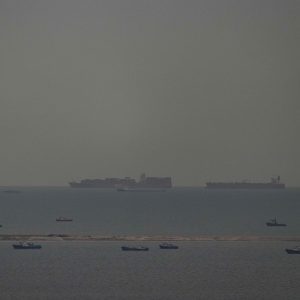
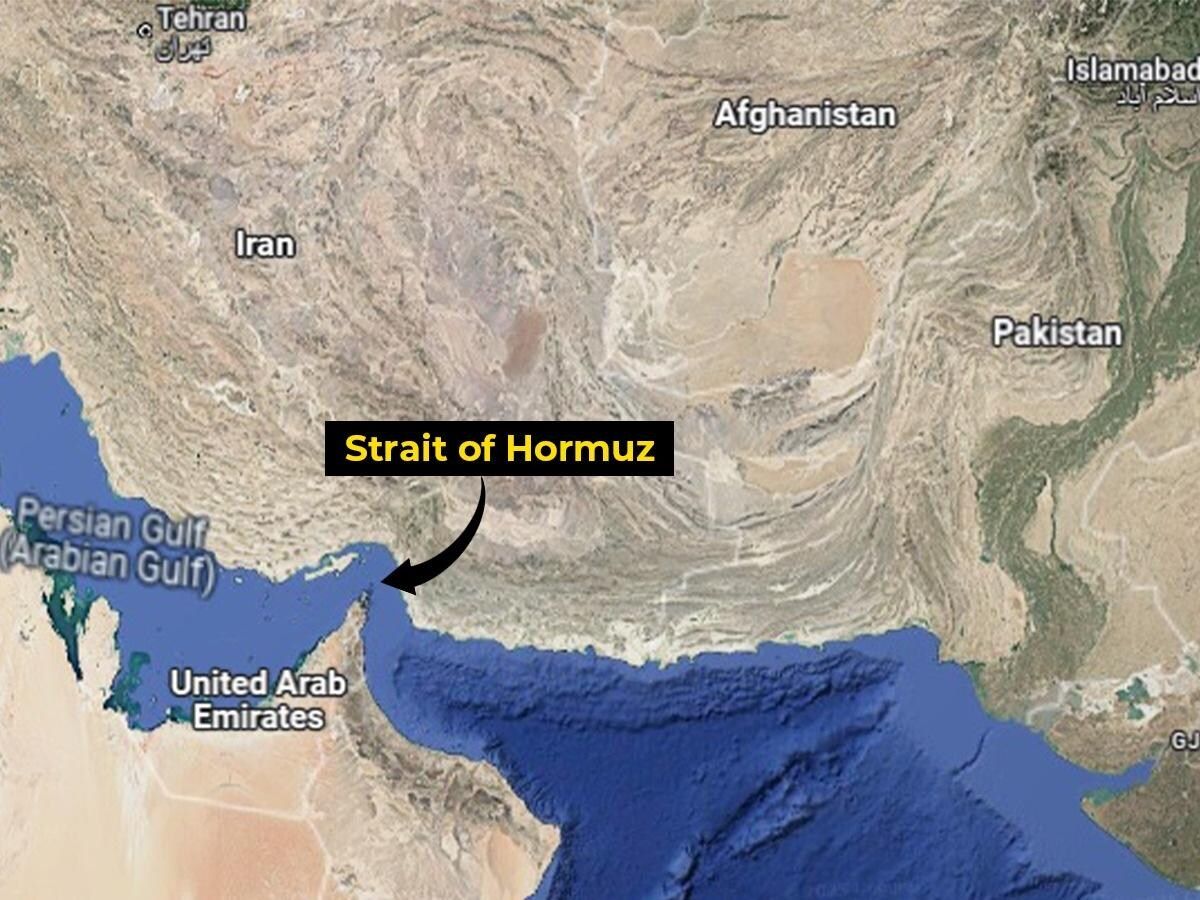
The Strait of Hormuz is one of the most important maritime passages in the world, acting as a narrow gateway through which nearly a fifth of global oil supply passes every day. Any disruption in this region can trigger massive fluctuations in oil prices and impact economies worldwide.
For years, Iran has maintained the capability to threaten shipping traffic in the strait through naval mines, fast attack boats, missile systems, and drone warfare. These tactics have been central to Tehran’s strategy of asymmetric warfare, allowing it to exert influence despite facing superior conventional military forces.
The US Military Operation: A Calculated Strike
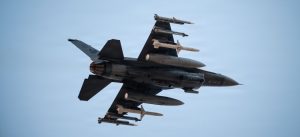
According to US defense officials, the recent operation involved precision strikes targeting key Iranian military infrastructure, including:
- Coastal missile launch systems
- Naval bases used by the Islamic Revolutionary Guard Corps (IRGC)
- Drone launch and surveillance facilities
- Radar and command-and-control centers
The Pentagon stated that these strikes were designed to “degrade and deter” Iran’s ability to disrupt maritime traffic in the Strait of Hormuz.
Officials emphasized that the operation was limited in scope but highly effective, focusing on neutralizing critical capabilities rather than engaging in a full-scale conflict.
Iran’s Capabilities ‘Significantly Degraded’
US Central Command (CENTCOM) sources claim that Iran’s operational capacity in the region has been “significantly degraded.” Key impacts reportedly include:
- Reduced ability to launch anti-ship missiles
- Disruption of naval coordination systems
- Damage to drone surveillance networks
- Limited capacity to mine shipping lanes
While Iran has not officially confirmed the extent of the damage, state media acknowledged “attacks on military positions,” vowing retaliation.
Global Implications: Oil Markets and Trade Security
The immediate impact of the US action has been felt in global markets. The Strait of Hormuz is a lifeline for oil exports from countries like Saudi Arabia, Iraq, and the UAE.
Key consequences include:
- Stabilization of oil supply routes after initial fears of disruption
- Volatility in crude oil prices, with sharp spikes followed by corrections
- Increased naval presence from Western allies to secure shipping lanes
Energy analysts suggest that while the US operation may have reduced immediate risks, long-term uncertainty remains due to the possibility of retaliation by Iran.
Escalation Risks: What Comes Next?
Despite the US declaring a strategic success, the situation remains highly volatile. Iran has historically relied on indirect and asymmetric responses, which could include:
- Attacks on commercial shipping vessels
- Cyber warfare targeting critical infrastructure
- Proxy group operations in the Middle East
- Missile or drone strikes on US or allied bases
The Pentagon has warned that while immediate threats have been curtailed, the risk of escalation is far from over.
Allies and International Reactions
Global reactions to the US announcement have been mixed:
- Western allies have largely supported efforts to secure international shipping routes
- Some nations have called for restraint and de-escalation
- Oil-importing countries are closely monitoring the situation due to potential economic fallout
The United Nations has urged both sides to avoid further escalation and return to diplomatic engagement.
Strategic Takeaway
The US claim of victory in the Strait of Hormuz represents a significant moment in ongoing Middle East tensions. By targeting critical military infrastructure, Washington appears to have achieved a short-term objective: ensuring the free flow of global trade through a vital maritime corridor.
However, the broader conflict between United States and Iran remains unresolved. The coming weeks will be crucial in determining whether this operation leads to deterrence—or triggers a new phase of confrontation.
This article may be prepared with the assistance of artificial intelligence (AI) and is reviewed before publication. While we aim for accuracy and timeliness, readers should verify important facts from official or primary sources. If you believe any information is inaccurate or that any content infringes your rights, please contact ainewsbreaking.com for review and appropriate action.