US Embassy in Baghdad Targeted by Drone and Rocket Attacks as UAE Reopens Airspace Amid Escalating Iran Conflict
The Middle East is witnessing one of its most volatile and dangerous escalations in recent history, as drone and rocket attacks targeting the United States embassy in Baghdad coincide with rising regional tensions triggered by ongoing hostilities involving Iran, Israel, and allied forces. At the same time, the United Arab Emirates (UAE) has cautiously reopened its airspace after temporarily shutting it down due to missile and drone threats attributed to Iran, signaling both resilience and ongoing risk in the Gulf region.
This rapidly evolving situation underscores the widening scope of the conflict, which has expanded far beyond traditional battlefields and now threatens diplomatic missions, civilian infrastructure, global oil supply chains, and international aviation.
US Embassy in Baghdad Hit by Drones and Rockets
In a dramatic escalation, the US Embassy located in Baghdad’s heavily fortified Green Zone came under a coordinated attack involving multiple drones and rockets. According to security sources, at least five drones and several rockets were launched toward the diplomatic compound in what is being described as one of the most significant attacks in recent weeks.
Eyewitnesses reported hearing loud explosions across the Iraqi capital, with visible smoke rising from within the embassy compound. Advanced air defense systems, including the US-operated C-RAM (Counter Rocket, Artillery, and Mortar), were activated to intercept incoming threats. While some drones were successfully shot down mid-air, at least one reportedly struck inside the embassy complex, triggering a fire.
The attack marks a serious escalation in the targeting of US assets in the region and reflects the intensifying retaliation by Iran-linked militias operating in Iraq.
Iran-Linked Militias and Rising Retaliation
The assault on the US Embassy is believed to be linked to Iran-backed militia groups operating within Iraq, particularly factions aligned with groups like Kataib Hezbollah. These militias have increasingly targeted US facilities following recent airstrikes that killed senior commanders and fighters aligned with Iran.
The killing of a senior militia leader near the Syrian border appears to have triggered a new wave of retaliation, with attacks spreading across Iraq and neighboring countries. The conflict, which escalated sharply after coordinated US-Israeli strikes on Iran in late February, has now entered a phase where indirect warfare through proxies is intensifying.
Baghdad on High Alert
In response to the embassy attack, Iraqi security forces have significantly increased their presence in Baghdad, especially around the Green Zone. Authorities temporarily restricted access to key areas, reflecting fears of further strikes.
The Iraqi government finds itself in a precarious position—caught between maintaining diplomatic ties with the United States and managing internal pressures from Iran-aligned factions operating within its borders.
UAE Reopens Airspace After Missile Threats
While Iraq dealt with direct attacks, the United Arab Emirates took a cautious step toward normalization by reopening its airspace after a temporary shutdown prompted by Iranian missile and drone threats.
The UAE had earlier closed significant portions of its airspace as a safety precaution following multiple aerial threats, including drones targeting oil facilities and other infrastructure.
Airspace closures had disrupted global aviation, grounding flights and affecting major transit hubs like Dubai and Abu Dhabi. The reopening signals improved immediate security conditions but does not eliminate the broader risks facing the region.
Drone and Missile Threats Across the Gulf
Iran’s retaliation strategy has extended beyond direct military targets, encompassing Gulf nations and critical infrastructure. Drone attacks have been reported against oil facilities, commercial vessels, and even urban areas.
In one notable incident, a drone strike caused a fire at an oil facility in Fujairah, UAE, raising alarms about the vulnerability of global energy infrastructure.
Missile interceptions were also reported across the Gulf, including in Qatar and Saudi Arabia, where defense systems successfully neutralized incoming threats.
Regional Conflict Expands Rapidly
The current crisis is no longer confined to a bilateral confrontation. Instead, it has evolved into a multi-front conflict involving:
- Iran
- Israel
- United States
- Iraq-based militias
- Gulf nations including UAE, Saudi Arabia, and Qatar
Israel has intensified airstrikes targeting Iranian infrastructure and Hezbollah positions in Lebanon, while Iran has responded with missile attacks on Israeli cities and regional targets.
The scale of violence is staggering, with reports indicating thousands of casualties and widespread displacement, particularly in Lebanon and Iran.
Impact on Global Oil Markets
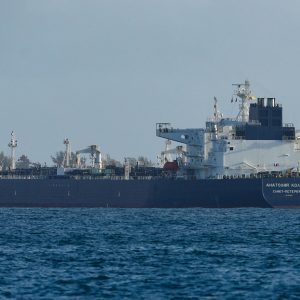
One of the most significant consequences of the conflict has been its effect on global oil markets. The Strait of Hormuz, a critical chokepoint through which a large portion of the world’s oil supply passes, has been severely disrupted.
Iran’s actions—including targeting commercial vessels and threatening maritime routes—have pushed oil prices above $100 per barrel.
The United States has urged international partners to deploy naval forces to secure the strait, but many countries have been reluctant to become directly involved in a conflict with uncertain outcomes.
Aviation Disruptions and Economic Fallout
The temporary closure of UAE airspace highlights the broader disruption to global aviation. Airlines were forced to reroute flights, cancel operations, and adjust schedules amid safety concerns.
The UAE, home to some of the world’s busiest international airports, plays a crucial role in global travel and logistics. Even brief closures can have cascading effects on international trade and tourism.
Earlier closures across the region—including in Qatar, Bahrain, and parts of Iraq—demonstrate how vulnerable aviation networks are during modern conflicts involving drones and missiles.
Civilian Impact and Infrastructure Damage
Beyond military targets, civilian infrastructure has increasingly come under threat. Reports indicate:
- Damage to oil facilities
- Fires triggered by drone debris
- Casualties among civilians in Gulf countries
- Disruption of public services and transportation
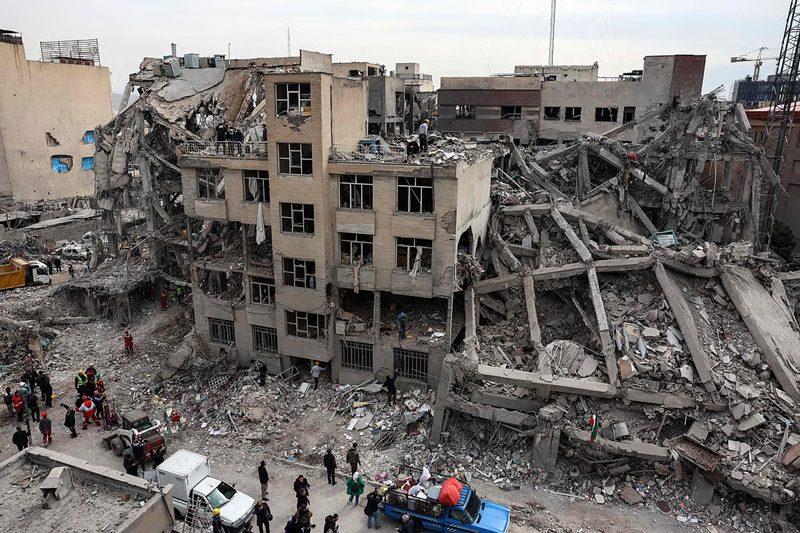
In the UAE, earlier drone attacks had already caused casualties and injuries among foreign workers and residents, underscoring the human cost of the conflict.
US Response and Strategic Concerns
The United States has responded by reinforcing its defensive posture across the region while urging American citizens to leave high-risk areas such as Iraq.
The attack on the Baghdad embassy raises serious questions about the security of US diplomatic missions in conflict zones and the potential for further escalation.
Washington has also been coordinating with allies to address threats to maritime security and energy supplies, though international consensus remains limited.
Diplomatic Tensions and Global Reactions
Global leaders have expressed concern over the widening conflict, with calls for de-escalation growing louder. However, diplomatic efforts have so far failed to produce meaningful progress.
The postponement of key international meetings, including high-level summits, reflects the seriousness of the crisis and its impact on global diplomacy.
Countries remain divided on how to respond, particularly regarding military involvement or economic sanctions.
The Role of Proxy Warfare
A defining feature of this conflict is the use of proxy forces. Iran’s strategy of leveraging allied militias allows it to exert influence and conduct attacks without direct engagement.
This approach complicates the situation, as it blurs the lines between state and non-state actors and makes retaliation more complex.
The attack on the US Embassy in Baghdad is a prime example of how proxy warfare can directly threaten diplomatic and civilian targets.
Humanitarian Concerns
The humanitarian impact of the conflict continues to worsen. Displacement, casualties, and infrastructure damage are affecting millions across the region.
In Lebanon alone, over a million people have reportedly been displaced, while thousands have been killed or injured in ongoing strikes.
Humanitarian organizations have warned of a growing crisis that could overwhelm regional resources.
Future Outlook: A Region on Edge
The simultaneous attack on the US Embassy in Iraq and the reopening of UAE airspace highlights the fragile balance between escalation and stabilization.
While some signs suggest temporary improvements—such as the resumption of flights—underlying tensions remain unresolved.
Key risks moving forward include:
- Further attacks on diplomatic missions
- Expansion of conflict into additional countries
- Disruption of global oil supply
- Increased civilian casualties
- Potential direct confrontation between major powers
This article may be prepared with the assistance of artificial intelligence (AI) and is reviewed before publication. While we aim for accuracy and timeliness, readers should verify important facts from official or primary sources. If you believe any information is inaccurate or that any content infringes your rights, please contact ainewsbreaking.com for review and appropriate action.