
US House of Representatives Passes Bill to Limit Public Access to Immigration Enforcement Information in Record-Defying Vote
In a swift and decisive move, the US House of Representatives has passed a bill aimed at limiting public access to information related to immigration enforcement. The legislation, which was approved in a matter of minutes, seeks to classify certain details surrounding immigration enforcement actions as confidential. This development has significant implications for transparency and accountability in the realm of immigration policy. The bill’s passage has sparked interest and concern among various stakeholders, including advocacy groups and government agencies.
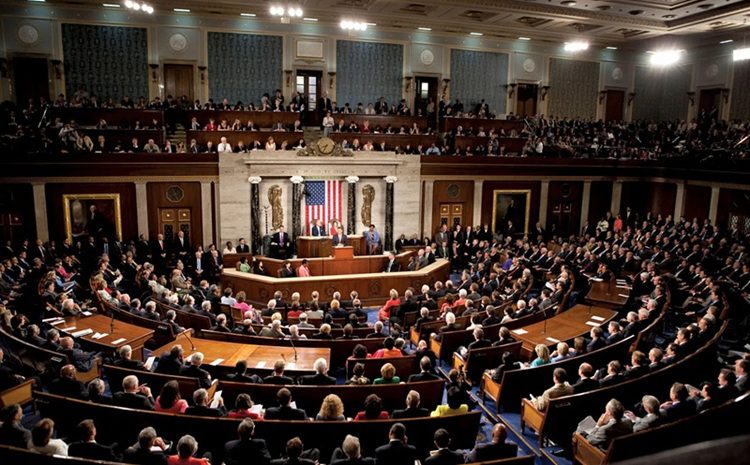
The bill in question was brought to the House floor and approved in a remarkably short period of time, taking a mere two minutes to pass. This rapid progression has raised eyebrows, with some observers questioning the hastened process. Despite the brevity of the vote, the bill’s impact could be substantial, potentially affecting the way immigration enforcement activities are reported and scrutinized.
One of the key aspects of the bill is its provision to make certain information related to immigration enforcement confidential. This could include details about specific enforcement actions, such as raids or arrests, as well as data on the number of individuals detained or deported. By classifying this information, the bill aims to restrict public access and limit the ability of external parties to monitor and evaluate immigration enforcement activities.
The passage of the bill has been met with varying reactions from different groups. Some argue that the legislation is necessary to protect sensitive information and ensure the integrity of immigration enforcement operations. Others, however, express concern that the bill’s provisions could undermine transparency and accountability, potentially leading to abuses of power or human rights violations.
As the bill moves forward, it is likely to face further scrutiny and debate. The legislation will need to be approved by the Senate before it can be signed into law by the President. This upcoming process may provide opportunities for amendments or revisions to the bill, potentially addressing some of the concerns that have been raised.
The implications of this bill extend beyond the realm of immigration policy, potentially influencing the broader landscape of government transparency and accountability. As the US continues to grapple with complex issues related to immigration and border control, the need for balanced and informed approaches has never been more pressing. The outcome of this legislative process will be closely watched by stakeholders and observers alike, as the nation seeks to navigate these intricate and often contentious topics.
In the coming days and weeks, further analysis and discussion of the bill’s provisions and potential consequences are anticipated. With the bill’s swift passage through the House, attention now turns to the Senate, where the legislation will face its next major hurdle. The eventual outcome of this process will have significant implications for the future of immigration enforcement and the balance between transparency and confidentiality in government activities.
This article may be prepared with the assistance of artificial intelligence (AI) and is reviewed before publication. While we aim for accuracy and timeliness, readers should verify important facts from official or primary sources. If you believe any information is inaccurate or that any content infringes your rights, please contact ainewsbreaking.com for review and appropriate action.