US-Iran Crisis Deepens: Trump’s Deadline for Strait of Hormuz Passes with No Resolution in Sight
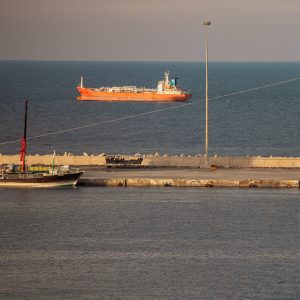
Tensions between the United States and Iran escalated on Tuesday night, as President Donald Trump threatened to take drastic action against Iranian infrastructure unless the country opens the crucial Strait of Hormuz, a vital waterway linking the Persian Gulf to the Gulf of Oman. With no signs of a diplomatic breakthrough, the situation remains volatile, with the international community holding its breath as the deadline passes.
The Strait of Hormuz is a critical chokepoint for global oil production and transit, with over 20% of the world’s oil exports passing through it. Iran has threatened to shut down the strait in retaliation for US sanctions and military maneuvers in the region. US officials have accused Iran of attempting to disrupt global energy supplies by mining the strait or launching attacks on shipping vessels.
In a series of escalating threats, President Trump has warned Iran that any attempt to block the strait will be met with force. On Tuesday night, he set a deadline for Iran to comply, threatening to target the country’s infrastructure, including bridges and power plants. However, there has been no indication that Iran is willing to back down, despite concerns from international leaders that a military confrontation could have devastating consequences.
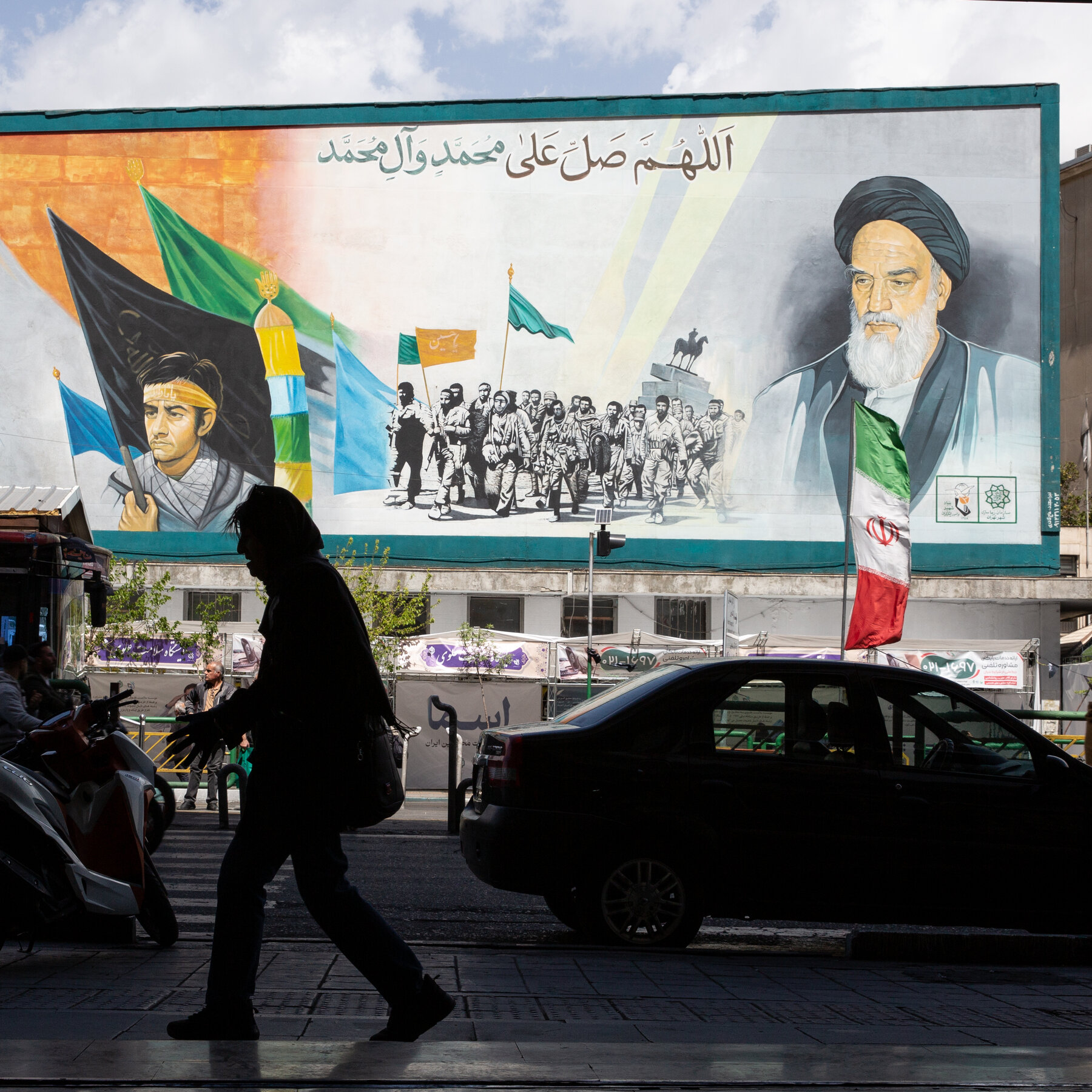
The US has taken a hardline stance on the issue, with officials accusing Iran of sponsoring terrorism and pursuing nuclear ambitions. Meanwhile, Iran has denied any involvement in recent tanker attacks in the region and has rejected US demands to dismantle its nuclear program. As the situation continues to unfold, the prospect of a military conflict remains a pressing concern for world leaders and the global energy market.
As the deadline passes, the international community is watching with bated breath. Diplomats and experts are urging calm and caution, warning that a military conflict could have far-reaching consequences, including a spike in oil prices and a potential regional humanitarian crisis. The UN Security Council has scheduled an emergency meeting to address the crisis, and European leaders have been scrambling to find a diplomatic solution.
With the situation on the brink, the world is waiting to see how events will unfold. Will Iran back down, or will the US take the drastic action it has threatened? As the situation remains fluid, one thing is clear: the world will be watching with great interest and concern.
The situation is further complicated by the US-Iran economic standoff, which has been ongoing since the US withdrawal from the Iran nuclear deal in 2018. The US has
This article may be prepared with the assistance of artificial intelligence (AI) and is reviewed before publication. While we aim for accuracy and timeliness, readers should verify important facts from official or primary sources. If you believe any information is inaccurate or that any content infringes your rights, please contact ainewsbreaking.com for review and appropriate action.