US-Iran Tensions Escalate: Trump Issues Stern Warning Over Strait of Hormuz
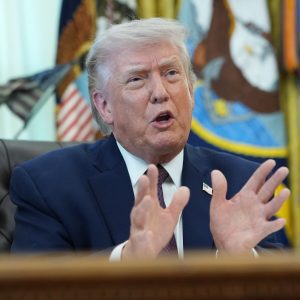
The diplomatic tensions between the United States and Iran have reached a boiling point, with US President Donald Trump issuing a stark warning to the Iranian government. In a statement, Trump cautioned Iran against engaging in any provocative behavior, threatening severe consequences if they attempt to disrupt the strategic Strait of Hormuz. The president’s comments have raised concerns about the potential for military escalation in the region, as the two nations continue to lock horns over a range of issues.
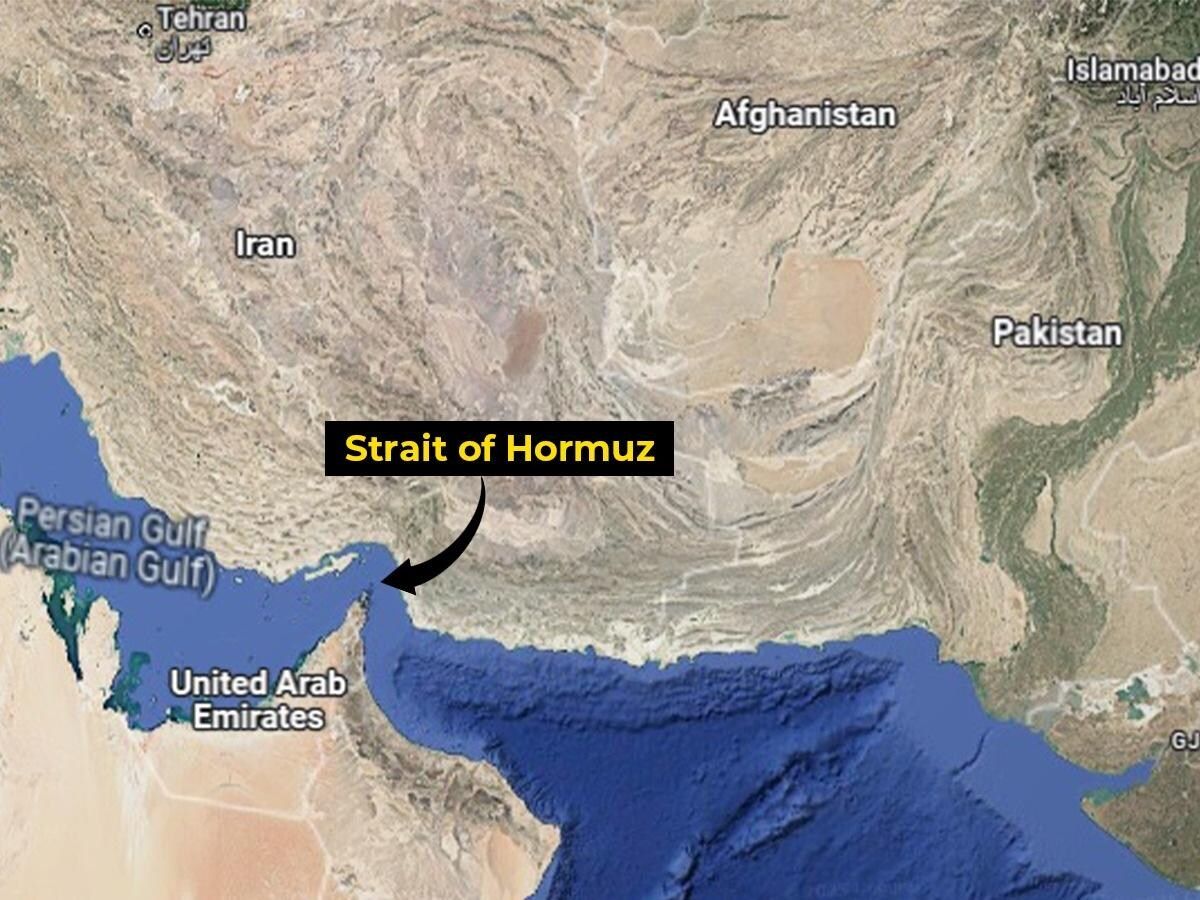
The Strait of Hormuz, a vital waterway connecting the Persian Gulf to the Arabian Sea, is a critical chokepoint for international oil trade. Approximately 20% of the world’s petroleum passes through the strait, making it a highly sensitive and closely watched region. The US has long considered the strait a crucial strategic interest, and any attempts by Iran to block or disrupt traffic would be met with swift and decisive action.
Trump’s warning to Iran comes amid a backdrop of heightened tensions between the two nations. The US has imposed a series of crippling economic sanctions on Iran, aimed at curbing its nuclear ambitions and limiting its influence in the region. Iran, in turn, has responded with a mix of defiance and aggression, including the downing of a US drone and the seizure of several oil tankers.
The president’s comments have sparked concerns among international observers, who fear that the situation could quickly spiral out of control. The US has a significant military presence in the region, with several aircraft carriers and other warships deployed to the Persian Gulf. Iran, meanwhile, has developed a range of asymmetric capabilities, including ballistic missiles and proxy militias, which it could potentially use to retaliate against US interests.
Despite the risks, Trump has shown no signs of backing down in his confrontation with Iran. The president has long been critical of the Iran nuclear deal, which was negotiated by his predecessor, Barack Obama, and has sought to reimpose tough sanctions on the Iranian economy. The US has also been working to build a coalition of like-minded nations to counter Iranian influence in the region, including Saudi Arabia, the United Arab Emirates, and Israel.
As the situation continues to unfold, diplomats and analysts are scrambling to assess the potential consequences of a US-Iran conflict. A military confrontation would have far-reaching implications for global energy markets, as well as the stability of the Middle East. The US and its allies would likely seek to maintain control of the Strait of Hormuz, while Iran would attempt to use its military capabilities to defend its interests and assert its influence in the region.
The international community is watching the situation with bated breath, as the US and Iran engage in a high-stakes game of cat and mouse. The US has made it clear that it will not tolerate any attempts by Iran to disrupt the Strait of Hormuz, and has threatened to take decisive action to protect its interests. As the tensions continue to escalate, one thing is certain: the world is holding its breath, waiting to see what happens next in this increasingly volatile and unpredictable region. With the US and Iran locked in a bitter standoff, the prospect of a military conflict looms large, and the consequences of such a conflict would be felt far beyond the Middle East.
This article may be prepared with the assistance of artificial intelligence (AI) and is reviewed before publication. While we aim for accuracy and timeliness, readers should verify important facts from official or primary sources. If you believe any information is inaccurate or that any content infringes your rights, please contact ainewsbreaking.com for review and appropriate action.